









The USDA’s Food Safety and Inspection Service (FSIS) is issuing a public health alert for meat and poultry products containing FDA-regulated dairy ingredients that may be contaminated with Salmonella.
FSIS expects additional downstream products will be identified as this ingredient recall progresses. As more information becomes available, FSIS will update this public health alert.
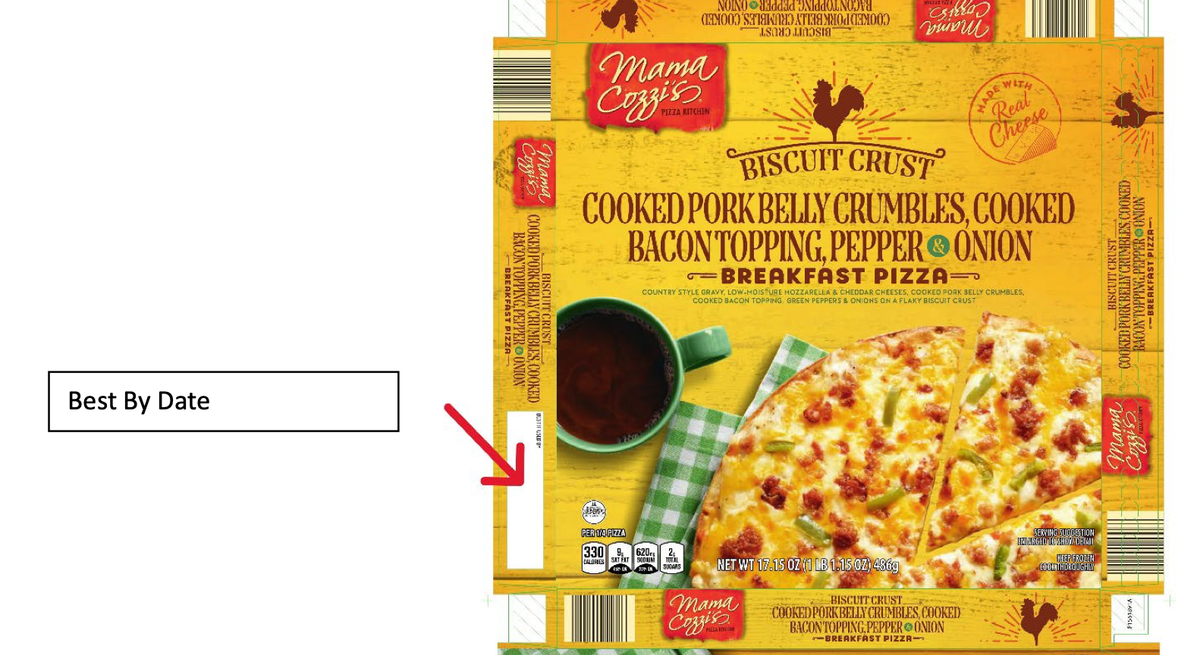
The list of products subject to the public health alert is available here, including information such as the establishment numbers and states where the products were distributed. The labels are available here.
The problem was discovered when FDA notified FSIS that multiple FSIS-regulated establishments received FDA-regulated ingredients formulated with dry milk powder that had been recalled.
FSIS is concerned that some product may be in consumers’ or retailers’ refrigerators or freezers. Consumers who have purchased these products are urged not to consume them. Retailers who have purchased these products are urged not to serve or sell them. These products should be thrown away or returned to the place of purchase.
About Salmonella infections
Food contaminated with Salmonella bacteria does not usually look, smell, or taste spoiled. Anyone can become sick with a Salmonella infection. Infants, children, seniors, and people with weakened immune systems are at higher risk of serious illness because their immune systems are fragile.
Anyone who has eaten any of the recalled products and developed symptoms of Salmonella infection should seek medical attention. Sick people should tell their doctors about the possible exposure to Salmonella bacteria because special tests are necessary to diagnose salmonellosis. Salmonella infection symptoms can mimic other illnesses, frequently leading to misdiagnosis.
Symptoms of Salmonella infection can include diarrhea, abdominal cramps, and fever within 12 to 72 hours after eating contaminated food. Otherwise, healthy adults are usually sick for four to seven days. In some cases, however, diarrhea may be so severe that patients require hospitalization.
Older adults, children, pregnant women, and people with weakened immune systems, such as cancer patients, are more likely to develop a severe illness and serious, sometimes life-threatening conditions.
Some people get infected without getting sick or showing any symptoms. However, they may still spread the infections to others.
Source: Read Full Article