







Photo: Julien De Rosa/AFP via Getty Images
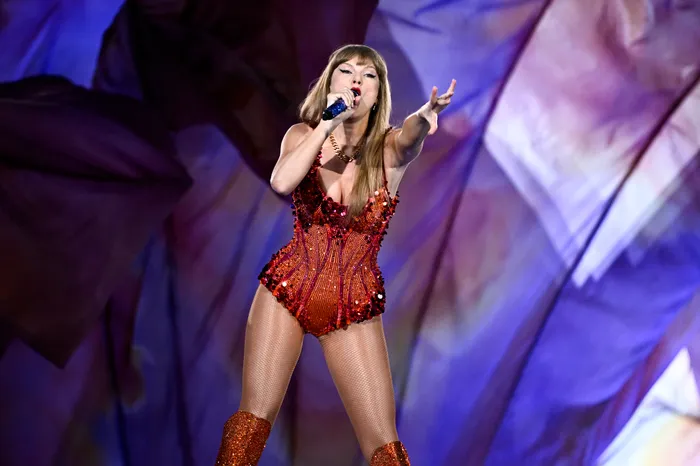
In the two years since the release of Taylor Swift’s overwhelmingly dense, extremely pissed off, and possibly underrated The Tortured Poets Department, the album has vanished into a cloud of smoke, explained away as “esoteric” on her fiancé’s podcast, and not often referenced as a totemic achievement in songwriting, perhaps in part because the battle scars of the “anthology,” as she came to call it, are too raw and personal and messy to get into. In the singer’s new conversation with The New York Times Magazine about her songwriting, The Tortured Poets Department gets a single nod in her discography, and it’s the closing number, “Clara Bow,” one of her most enigmatic, self-conscious songs, which she wrote with frequent collaborator Aaron Dessner.
The track is told from the point of view of a record executive, and it details three generations of female stars: one who looks like Clara Bow, who Swift specifies in the Times interview is meant to be Stevie Nicks; one who looks like Stevie Nicks, who is meant to be Swift herself; and one who looks like Swift, who is whatever future pop star you want to imagine (Olivia Rodrigo? Kidding …). “You look like Taylor Swift in this light, we’re loving it. You’ve got edge she never did,” she sings in the song’s final moments. “Basically, you learn that you’re in this machine and they’re trying to make you into this woman that they just idealized and then discarded,” Swift explains in the interview. “The entertainment industry love-bombs women, right? ‘We love you,’ ‘We don’t know who you are. Why are you even here?’” Swift’s evil record-executive character returns, Marvel-movie style, in her song “Father Figure” off The Life of a Showgirl.
The push and pull of the entertainment industry’s alternating (and/or simultaneous) love and hate for Swift has been a recurring motivator across her storied career, but her conversation with the Times emphasizes how equally damaging that love-bombing has been for her psyche and perception of self. (For what it’s worth, “Love-bomb” would make a great title for a future Taylor Swift song if she wants to continue this train of thought on TS13.)
By the time she was working on Red, she describes feeling both aged out of her success and completely at a loss for what to say. “Somebody was like, ‘Oh, you’re 22 years old, and you’re saying, “Are you tired of me? If you’re not yet, are you going to get tired of me?”’ Because it’s usually something that you would sing about later in life,” she says of her then-precocious sagacity. The more time goes on, the more Swift applies that love-bombing, perhaps, to her own relationship to her fans and fame. One of the more notable aspects of The Tortured Poets Department was her repeated frustration with those who both admire her and think they know what’s best for her. Since Lover, Swift has come and gone with relative ease, doling out generous portions of concerts and documentaries and behind-the-scenes looks and then going away for months at a time. If there’s something that feels especially notable about this era (sorry) of Swift’s public persona, it’s that she seems to have way more fun leaning into the darker sides of the same entertainment industry she derides. “I’ll tell ya, there’s ten years for every year you’re in,” she says with a smirk, “but it’s fun.”
Source: Read Full Article