







Who’s Hot Ahead Of The 2026 World Cup?

Who’s Hot Ahead Of The 2026 World Cup?

The 2026 FIFA World Cup is now just a matter of weeks away. As the tournament edges closer, everyone is trying to get into the best shape possible to allow themselves to hit the ground running in North America. But with every player, and nation by default, doing the same, who’s looking good ahead of…

Read More

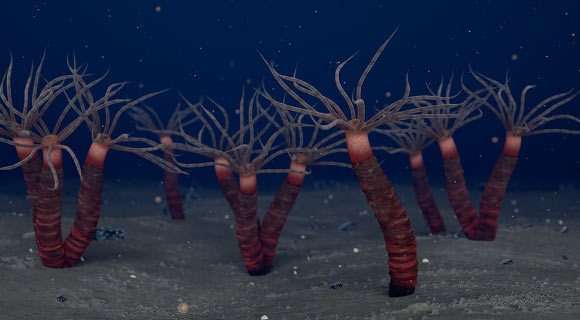
450-Million-Year-Old Fossils Reveal Strange, Tube-Dwelling Jellyfish Relative

Paleontologists have identified a new genus and species of soft-bodied, tubicolous polyp medusozoan from well-preserved specimens found about 50 km northeast of Quebec City in Canada. Depiction of Paleocanna tentaculum individuals living in single tubes, as well as clusters of two or three tubes attached together. Image credit: Ramirez-Guerrero et al., doi: 10.1017/jpa.2025.10211. “Jellyfish and…

Read More

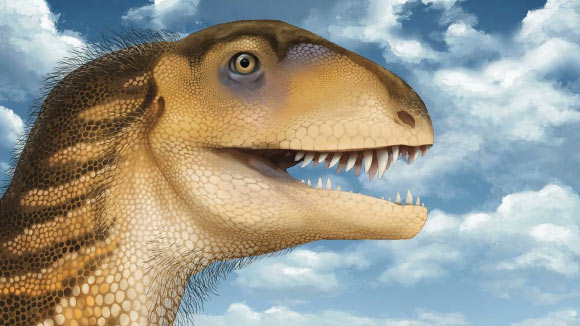
New Triassic Dinosaur Species Identified in New Mexico

A new genus and species of carnivorous herrerasaurian dinosaur has been described from an incomplete but well-preserved skull found in northern New Mexico, the United States. An artistic rendition of Ptychotherates bucculentus. Image credit: Megan Sodano / Virginia Tech. The new dinosaur species roamed our planet around 201 million years ago during the Rhaetian stage…

Read More

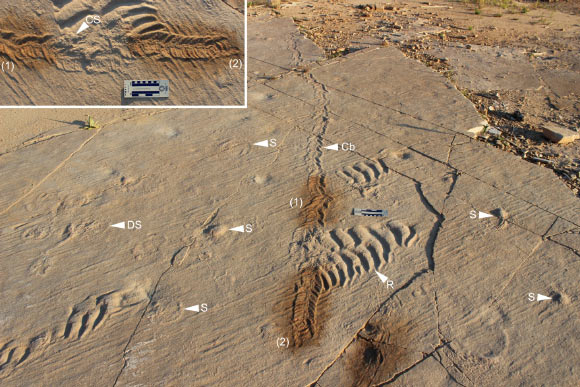
Ancient Tidal Flats Were Busier Than We Thought

New trace fossil discoveries from the half-billion-year-old Cambrian tidal flats of Wisconsin at a site called Blackberry Hill continue to paint the picture of some of the earliest animals to set foot on land and what they might have been eating. The mollusk trail Climactichnites blackberriensis (Cb) presumably stopping to eat a scyphozoan (jellyfish) that…

Read More

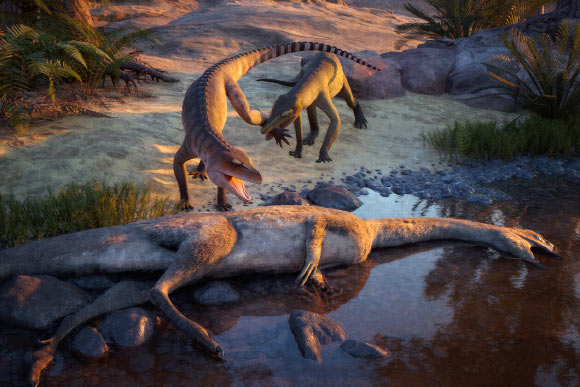
Permian Fossil is Earliest Evidence of Rib-Powered Breathing

Paleontologists have examined 289-million-year-old specimens of the early reptile Captorhinus aguti that preserve a covering of three-dimensional skin, a complete shoulder girdle and ribcage with cartilages, and — most astonishingly — protein remnants that predate the previous oldest-known example by nearly 100 million years. Captorhinus aguti. Image credit: Michael DeBraga. The move from water to…

Read More

500-Million-Year-Old Fossil Identified as Oldest Known Chelicerate

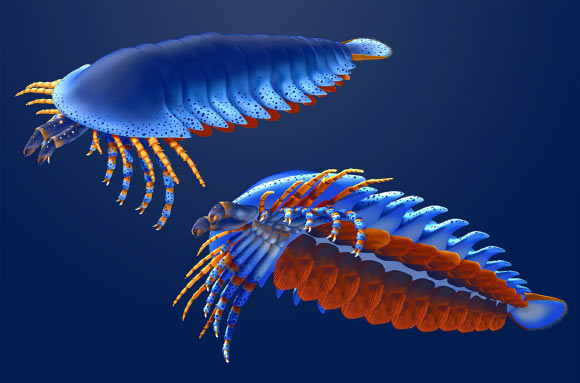
Paleontologists at Harvard University have described a large predatory arthropod from the Middle Cambrian of Utah featuring massive three-segmented chelicerae. Named Megachelicerax cousteaui, this soft-bodied animal represents the earliest known member of the chelicerates, pushing back the origins of spiders, scorpions, horseshoe crabs, and sea spiders by 20 million years. The surprisingly complex anatomy of…

Read More