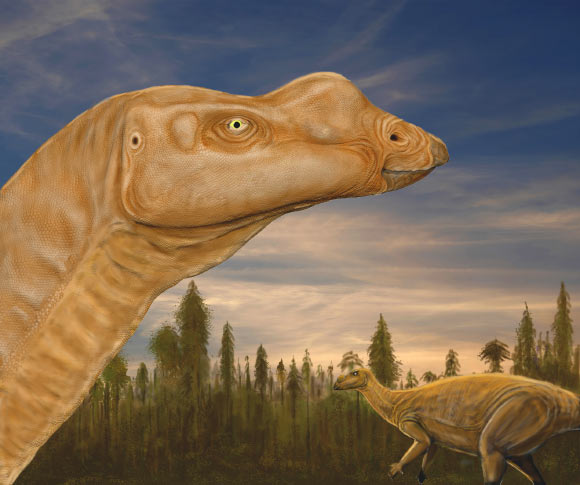







Small Titanosaur Species from Morocco Reveals Surprising South American Ties

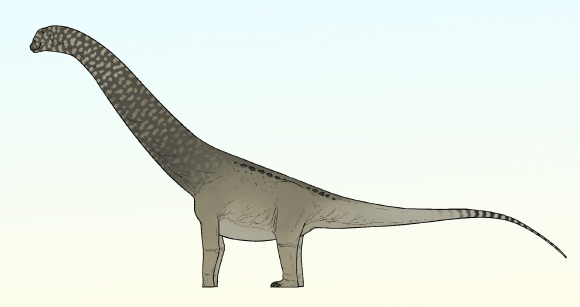
A new genus and species of titanosaurian sauropod dinosaur related to South American forms has been described by a team of paleontologist led by University of Bath’s Dr. Nick Longrich. An artist’s reconstruction of Phosphatotitan khouribgaensis. Image credit: Connor Ashbridge. Phosphatotitan khouribgaensis lived in what is now Morocco during the ‘late, but not latest,’ Maastrichtian…

Read More

Why Geologists Love Pond Scum

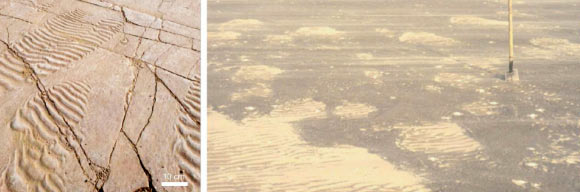
If you’ve ever wondered how geologists know so much about ancient beaches and shallow oceans — from the paleoenvironment to the animals roaming around, the seasonality of the weather, and even the time of day when the ancient scene was preserved — they owe it all to the sand particles bound together by microbes, forming…

Read More

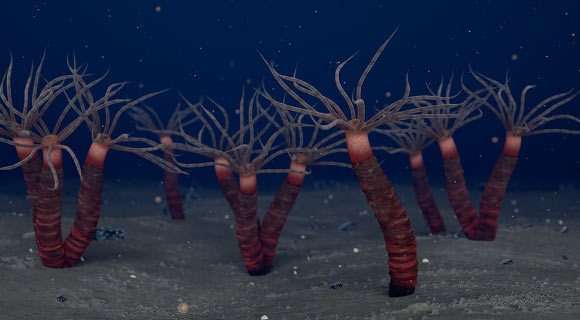
450-Million-Year-Old Fossils Reveal Strange, Tube-Dwelling Jellyfish Relative

Paleontologists have identified a new genus and species of soft-bodied, tubicolous polyp medusozoan from well-preserved specimens found about 50 km northeast of Quebec City in Canada. Depiction of Paleocanna tentaculum individuals living in single tubes, as well as clusters of two or three tubes attached together. Image credit: Ramirez-Guerrero et al., doi: 10.1017/jpa.2025.10211. “Jellyfish and…

Read More

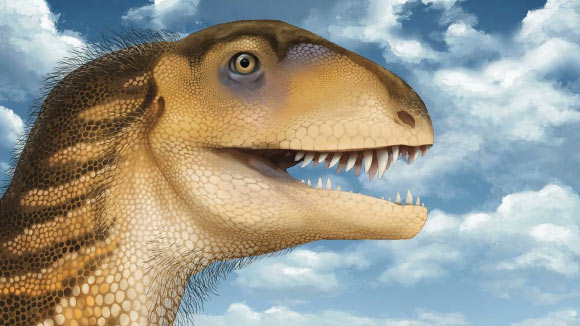
New Triassic Dinosaur Species Identified in New Mexico

A new genus and species of carnivorous herrerasaurian dinosaur has been described from an incomplete but well-preserved skull found in northern New Mexico, the United States. An artistic rendition of Ptychotherates bucculentus. Image credit: Megan Sodano / Virginia Tech. The new dinosaur species roamed our planet around 201 million years ago during the Rhaetian stage…

Read More

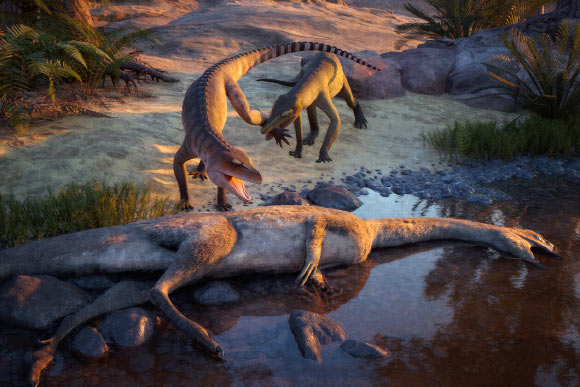
Ancient Tidal Flats Were Busier Than We Thought

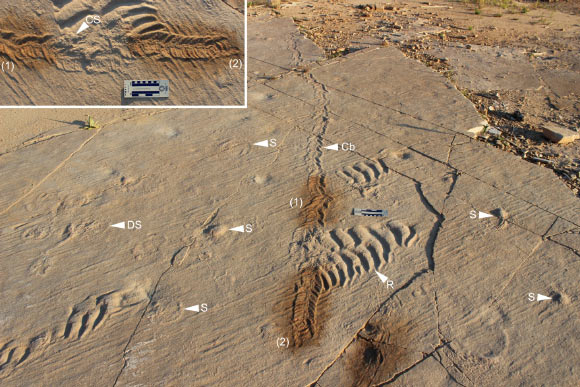
New trace fossil discoveries from the half-billion-year-old Cambrian tidal flats of Wisconsin at a site called Blackberry Hill continue to paint the picture of some of the earliest animals to set foot on land and what they might have been eating. The mollusk trail Climactichnites blackberriensis (Cb) presumably stopping to eat a scyphozoan (jellyfish) that…

Read More