






250-Million-Year-Old Embryonated Dicynodont Egg Found in South Africa

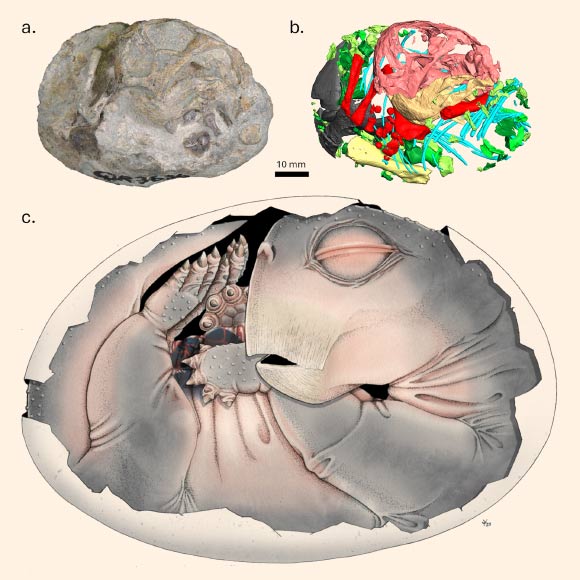
Using high-resolution CT and synchrotron scanning, paleontologists confirmed that the fossilized specimen from the Early Triassic of the South African Karoo Basin contains an unborn dicynodont Lystrosaurus, resolving a long-standing mystery about whether early mammal ancestors laid eggs. The researchers suggest the dicynodont eggs were likely soft-shelled, explaining why they have remained elusive for so…
Read More

Jurassic Ichthyosaur Fossil Found in Cuba

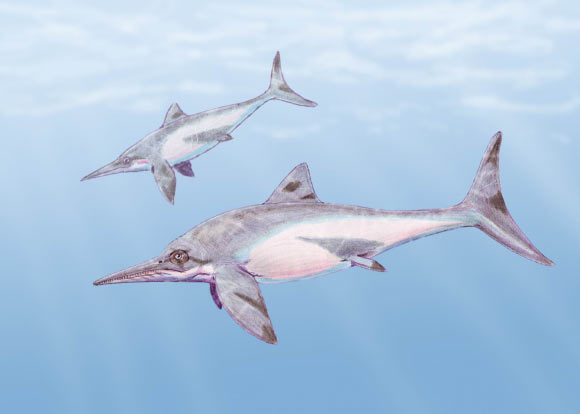
Deep inside a limestone cave in western Cuba, paleontologists have found the most complete ichthyosaur skeleton yet found on the island. Ophthalmosaurid ichthyosaurs. Image credit: Dmitry Bogdanov / CC BY 3.0. The ichthyosaur skeleton was discovered in 2023 in a fluvial cave in El Cuajaní, within the Viñales Geopark and National Park in western Cuba….

Read More

500-Million-Year-Old Fossil Identified as Oldest Known Chelicerate

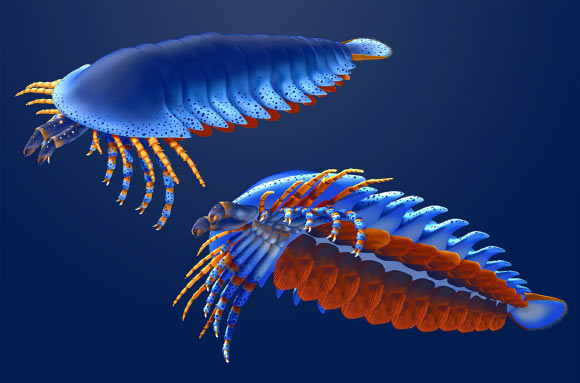
Paleontologists at Harvard University have described a large predatory arthropod from the Middle Cambrian of Utah featuring massive three-segmented chelicerae. Named Megachelicerax cousteaui, this soft-bodied animal represents the earliest known member of the chelicerates, pushing back the origins of spiders, scorpions, horseshoe crabs, and sea spiders by 20 million years. The surprisingly complex anatomy of…

Read More

Early Miocene Fossil Fills Gap in Ape Family Tree

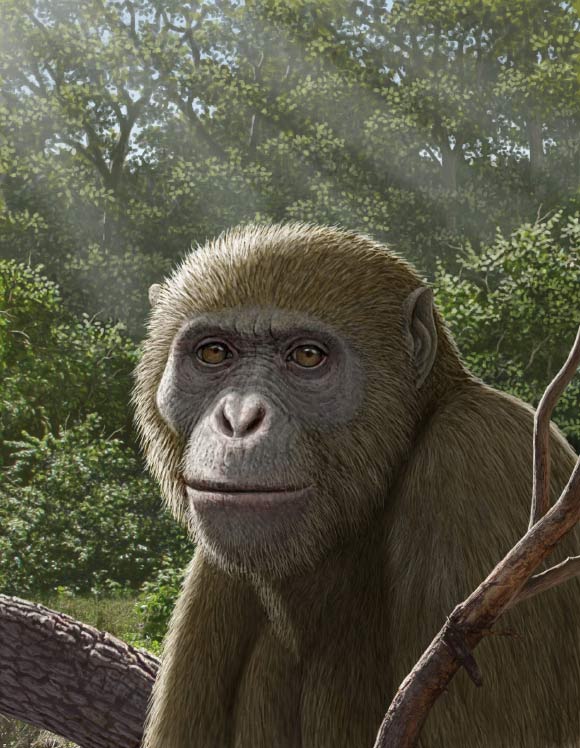
Paleontologists have identified a new genus and species of fossil ape that lived about 17-18 million years ago in northern Egypt. The discovery suggests that the ancestors of modern apes — and humans — may have emerged not in East Africa, but at a crossroads between Africa and Eurasia. Life reconstruction of Masripithecus moghraensis. Image…

Read More

Early Triassic Cyclidan Crustacean Had Powerful Jaws

Paleontologists have described a new species of enigmatic cyclidan crustacean on the basis of three well-preserved specimens from the Early Triassic Guiyang biota of China. Yunnanocyclus fortis. Image credit: Sun et al., doi: 10.1002/spp2.70052. Cyclidans are a distinctive group of arthropods that first appeared in the Carboniferous period and survived until the Late Cretaceous. Their…

Read More

New Fossil Crocodile from Ethiopia Lived alongside Australopithecus afarensis

Paleontologists analyzing fossils from Ethiopia have described a previously unknown crocodile species that shared the landscape with a hominid species called Australopithecus afarensis. Named Crocodylus lucivenator, the formidable predator may have stalked Australopithecus afarensis at watering holes in the wetlands and woodlands of the Pliocene. Crocodylus lucivenator overlapped with the famed Lucy and her hominin…

Read More