










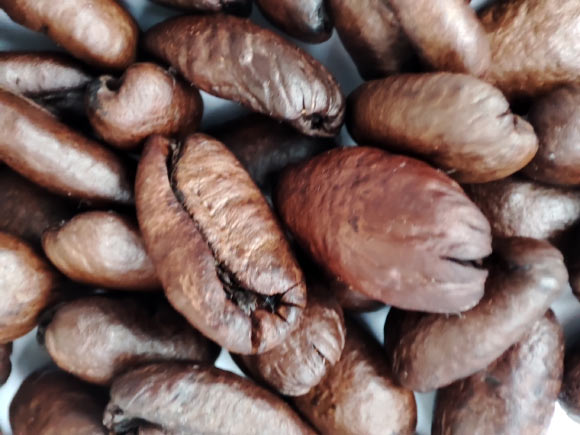
New research led by University College Cork scientists suggests that both caffeinated and decaf coffee reshape the gut microbiome in ways tied to lower stress and improved psychological well-being, offering clues to the drink’s long-suspected health effects.
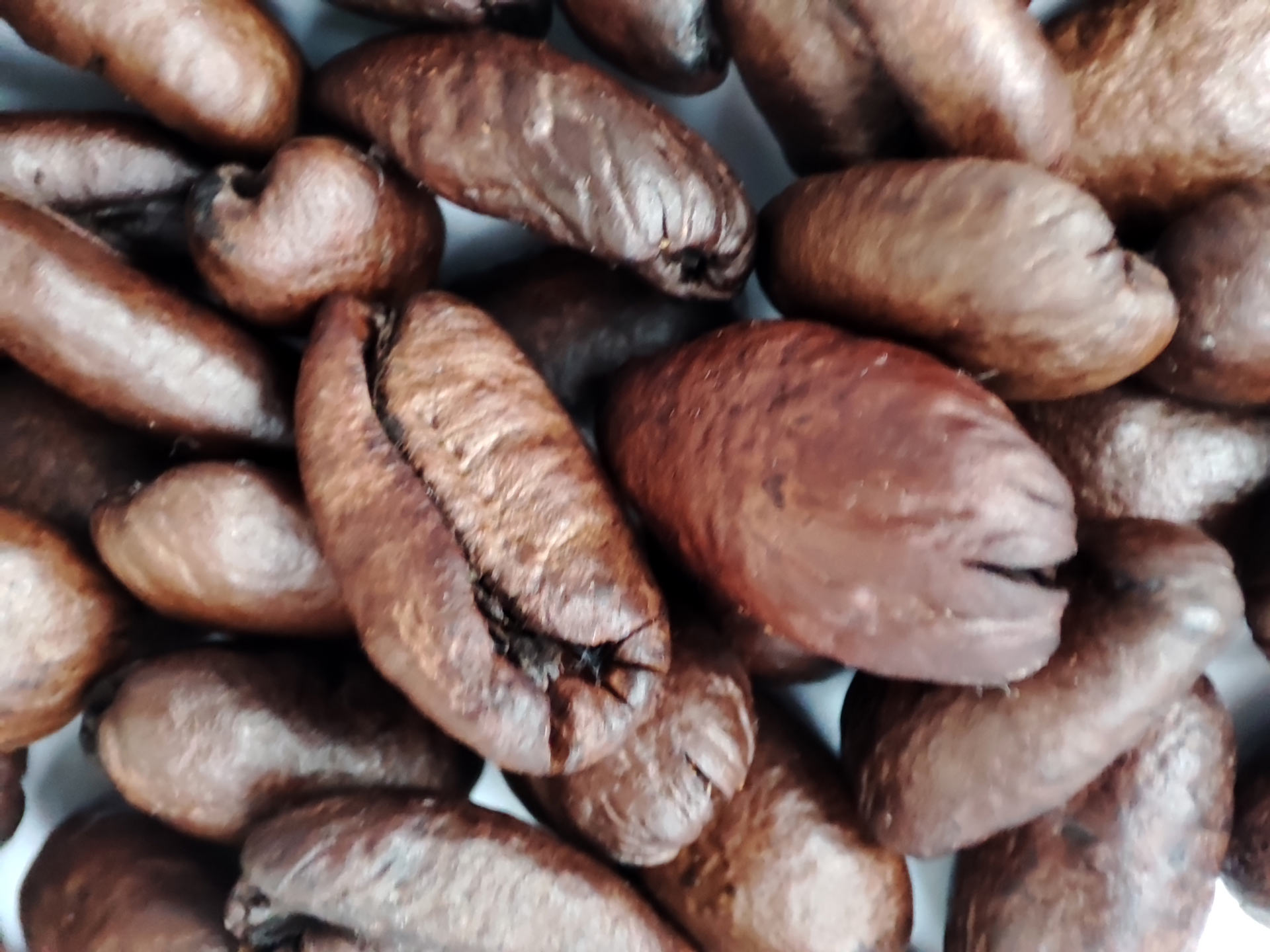
Boscaini et al. reveal previously unrecognized effects of coffee on the microbiota-gut-brain axis, suggesting that microbiome profiles could potentially predict coffee consumption patterns and highlighting a close association between coffee intake and gut microbial composition. Image credit: Sci.News.
Coffee is a plant-derived beverage produced from processed coffee beans, with its flavor and chemical profile shaped by factors such as bean variety, ripeness, processing techniques, roasting, and brewing methods.
It contains a range of bioactive compounds, including alkaloids like caffeine, polyphenols such as phenolic acids, diterpenes, and melanoidins formed during roasting.
Moderate coffee consumption has been linked to a lower risk of several chronic conditions, including type 2 diabetes, liver disease, cardiovascular disorders, and certain cancers.
In addition, higher intake has been consistently linked to a lower risk of Parkinson’s disease in a dose-dependent manner.
Coffee drinkers are less likely to develop depression, while one analysis found that regular consumption was associated with a 27% lower incidence of Alzheimer’s disease.
In a new study, University College Cork’s Professor John Cryan and his colleagues explored the effects of coffee consumption, withdrawal, and reintroduction on cognition, mood, and behavior in the context of the microbiota-gut-brain — the bidirectional communication between the gut microbiome and the brain.
The researchers studied 31 coffee drinkers and 31 non-coffee drinkers through a series of psychological tests, caffeine and food diaries, and stool and urine samples to understand changes in their microbiome and perceived mood or stress.
Coffee drinkers were set as those who regularly consume 3-5 cups of coffee a day — defined by the European Food Safety Authority (EFSA) as a safe and moderate amount for most people.
Participants first abstained from coffee for two-weeks, with regular psychological assessments, as well as stool and urine samples throughout.
This period of abstinence for coffee-drinkers corresponded with significant changes in metabolite profiles in the gut microbiome, compared to non-coffee drinkers.
Coffee was reintroduced to regular drinkers on a blinded basis, with half of participants consuming decaffeinated coffee and the other half caffeinated coffee.
Both groups reported lower perceived stress, depression and impulsivity scores, suggesting that drinking coffee significantly improved mood, regardless of caffeine content.
Bacterial species such as Eggertella sp. or Cryptobacterium curtum were notably increased in coffee-drinkers compared to non-coffee drinkers.
The former is thought to contribute to gastric and intestinal acid secretion, while the latter is thought to be involved in bile acid synthesis — both of which may play a role in eliminating unhealthy gut bacteria and stomach infections.
Increased Firmicutes bacteria were also observed, which has been associated with positive emotions in females.
A notable improvement in learning and memory was found only in those who consumed decaffeinated coffee, suggesting that components other than caffeine, such as polyphenols, are responsible for these cognitive benefits.
However, the scientists found that only caffeinated coffee was associated with reduced feelings of anxiety, as well as improved vigilance and attention. Caffeine was also linked to a reduced risk of inflammation.
“Public interest in gut health has risen hugely,” Professor Cryan said.
“The relationship between digestive and mental health is also increasingly being better understood, but the mechanisms behind coffee’s effects on this gut-brain axis have remained unclear.”
“Our findings reveal the microbiome and neurological responses to coffee, as well as their potential long-term benefits for a healthier microbiome.”
“Coffee may modify what microbes do collectively, and what metabolites they use.”
“As the public continues to think about dietary changes for the right digestive balance, coffee has the potential to also be harnessed as a further intervention as part of a healthy balanced diet.”
“Coffee is more than just caffeine — it’s a complex dietary factor that interacts with our gut microbes, our metabolism, and even our emotional well-being.”
“Our findings suggest that coffee, whether caffeinated or decaffeinated, can influence health in distinct but complementary ways.”
The team’s findings appear today in the journal Nature Communications.
_____
S. Boscaini et al. 2026. Habitual coffee intake shapes the gut microbiome and modifies host physiology and cognition. Nat Commun 17, 3439; doi: 10.1038/s41467-026-71264-8
Source: Read Full Article