










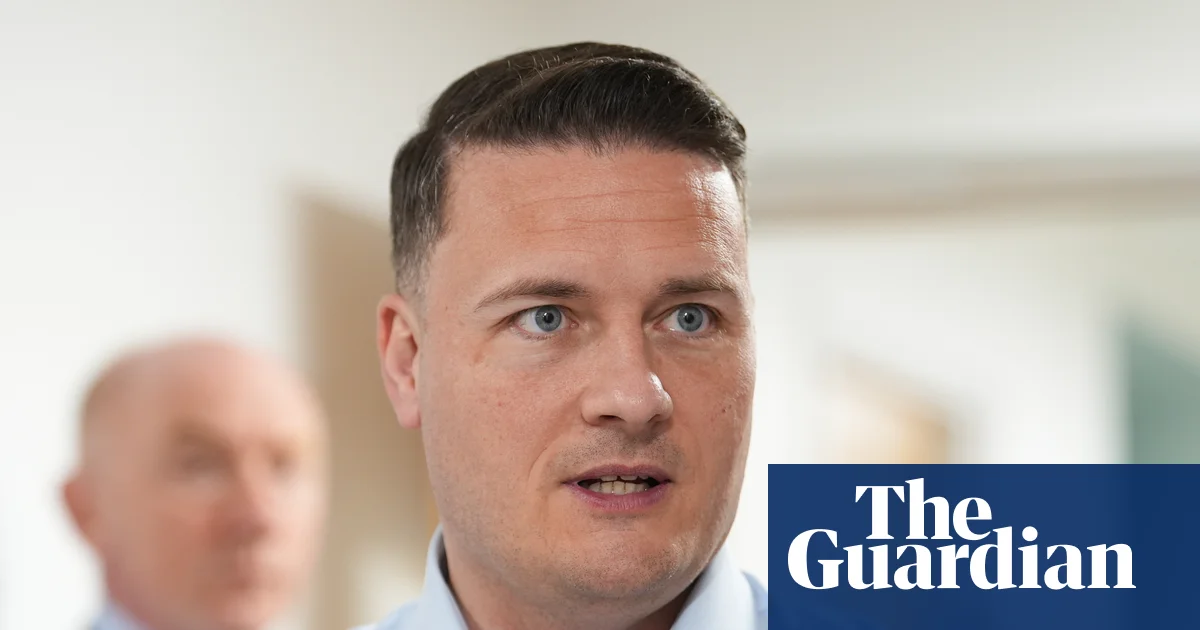
I welcome the relaunched women’s health strategy (Streeting relaunches women’s health strategy to tackle ‘medical misogyny’, 14 April) but with caution. The system appears responsive, but the root causes in health inequality outcomes remain untouched.
It names urgent issues many women have long experienced: navigating the gynaecology referral queue that would stretch over 191 miles (if waiting in person), medical gaslighting, delayed diagnoses and systemic bias.
However, Wes Streeting’s tenacity on centering all women’s “voices”, and ensuring that no woman is left fighting to be heard isn’t convincing, particularly when women of colour have been crying out loud for years, with little to no change in our reproductive health outcomes.
Many of us know what that feels like: seeing a GP about severe period pain and trying to explain how it disrupts our life. The doctor says it’s normal and prescribes the pill. Around two decades later, after years of dismissal and gaslighting, that woman receives a chronic condition diagnosis that she knew she had all along – that woman is me and thousands of others.
Ethnicity, culture and access continue to shape who is believed, how quickly, and with what outcome. Without addressing this, we risk reproducing the same inequalities they aim to solve. Femtech solutions can be innovative, but not inherently equitable if only certain groups or founders are funded. Policy can drive change depending on who sits in the seat, and how they steer the strategy into the right direction.
If Streeting is serious about “hitting medical misogyny where it hurts”, then he must acknowledge that misogynoir is rife, and hurting ethnic minority women. Creating systems that are inclusive and reflective of the diversity of women’s experiences is the best way forward.
Vanessa Haye
Chislehurst, Kent
Source: Read Full Article