










(When we talk about “intelligence,” we’re describing something complex and, frankly, sort of nebulous; it’s impossible to really quantify, but that hasn’t stopped generations of scientists from trying. Researchers who study cognition break it down into specific areas: attention, inhibition, cognitive flexibility, speech production and speech comprehension, working memory, and episodic memory. Some of those abilities are associated with particular sections of the brain, but those relationships are often complicated.)
So, when looking at brain size and intelligence, the differences among human brains are relatively small compared to the differences between a human brain and any other great ape brain. For example, our closest relatives, the chimpanzees, have brains that average just 400 cubic centimeters; the average adult human brain takes up about 1,350 cubic centimeters. (And there’s a wide range, from about 1,100 to 1,500 cubic centimeters.)
So total brain volume is “empirically the best predictor of behavioral and cognitive abilities among primates,” but only if you’re comparing different primate species. Within species, the differences aren’t pronounced enough to matter.
If you’re comparing, say, crows to dolphins, you’ve got to factor in the size of the brain relative to the size of the whole animal, which scientists call the encephalization quotient; according to Schoenemann and his colleagues, that’s less relevant for primates, where it’s all about size.
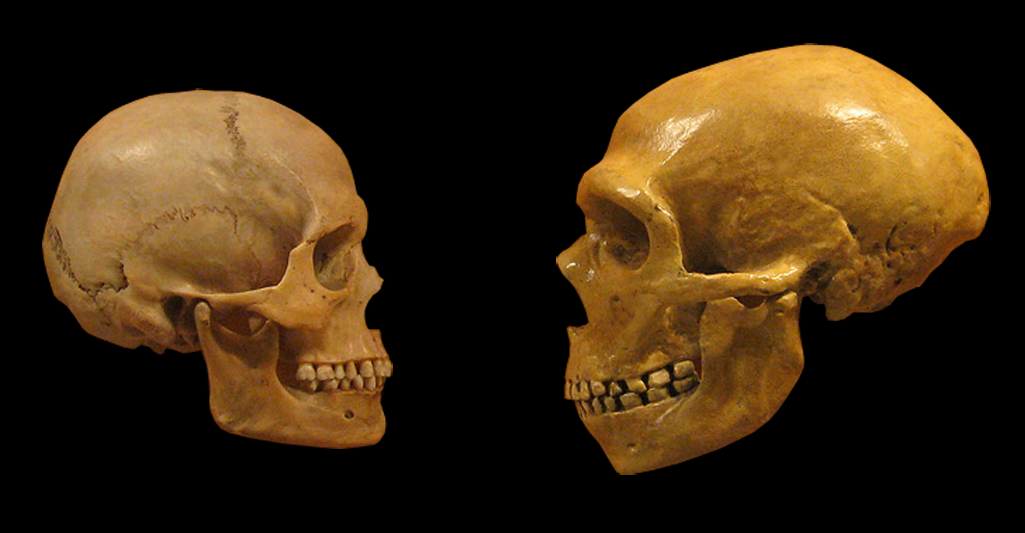
With that in mind, a group of early hominins called Australopithecus afarensis, who lived about 3.2 million years ago, had about 500-cubic-centimeter brains. That’s a big enough difference that we can make some guesses that they were cognitively more like chimpanzees than like us. On the other hand, the average group of Neanderthals had a brain capacity that’s consistent with them scoring about the same on cognitive tests as their Homo sapiens neighbors.
Source: Read Full Article