






New megafauna looked like spiky, 30-pound hamster

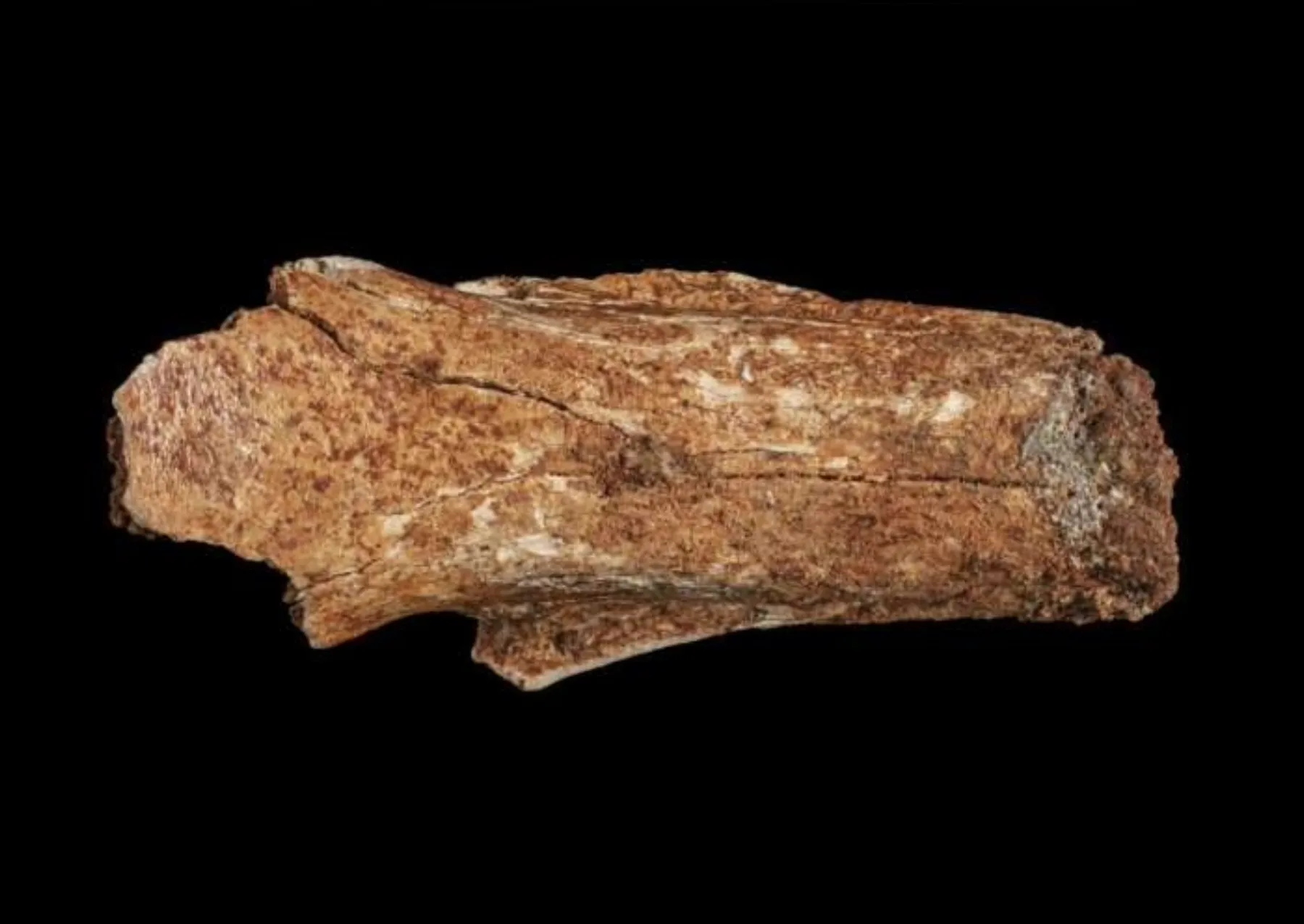
Get the Popular Science daily newsletter💡 Breakthroughs, discoveries, and DIY tips sent six days a week. In the latest episode of old museum collections revealing new discoveries, two researchers in Australia have solved a paleontological mystery with an Ice Age fossil first discovered over  100 years ago. The fossil was found in  the underground Foul…
Read More

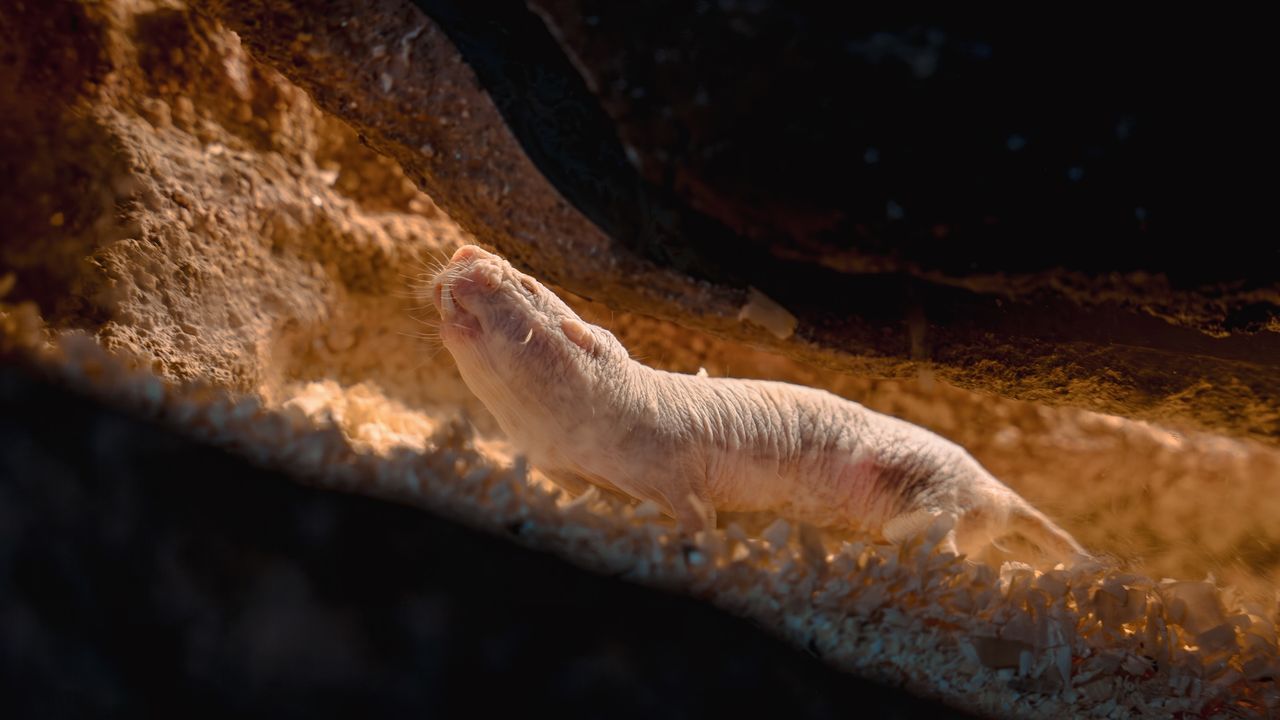
Naked mole rats wage bloody wars of succession to choose a new queen — but one colony did something scientists have never seen before

Naked mole rat queens rule with an iron forepaw: these wrinkly, bucktoothed monarchs forbid any other female from reproducing — that is, until they die and all hell breaks loose. Then the once-deferential females rise up and wage bloody battles against one another to vie for the crown. They attack other females, kill pups and…

Read More

Quantum model explains how single electrons cause damage inside silicon chips

Researchers in the UC Santa Barbara Materials Department have uncovered the elusive quantum mechanism by which energetic electrons break chemical bonds inside microelectronic devices—a detrimental process that slowly degrades performance over time. The discovery, published as an Editors’ Suggestion in Physical Review B, explains decades-old experimental puzzles and moves scientists closer to engineering more reliable…

Read More

There's a range of magic angles to study superconductivity in a twisted 2D semiconductor

Last year, tungsten diselenide (WSe2) had its magic moment. Two independent research groups discovered “magic angles” at which two atom-thin layers of the unique semiconductor, when twisted relative to one another into what’s known as a moire pattern, can superconduct electricity. Cory Dean and his colleagues at Columbia documented superconductivity at a 5° twist angle;…

Read More