









Advocates for the LGBTQ+ community claimed a win this week after the Trump administration pledged to reinstate the 988 Suicide and Crisis Lifeline specialized support program tailored to their needs.
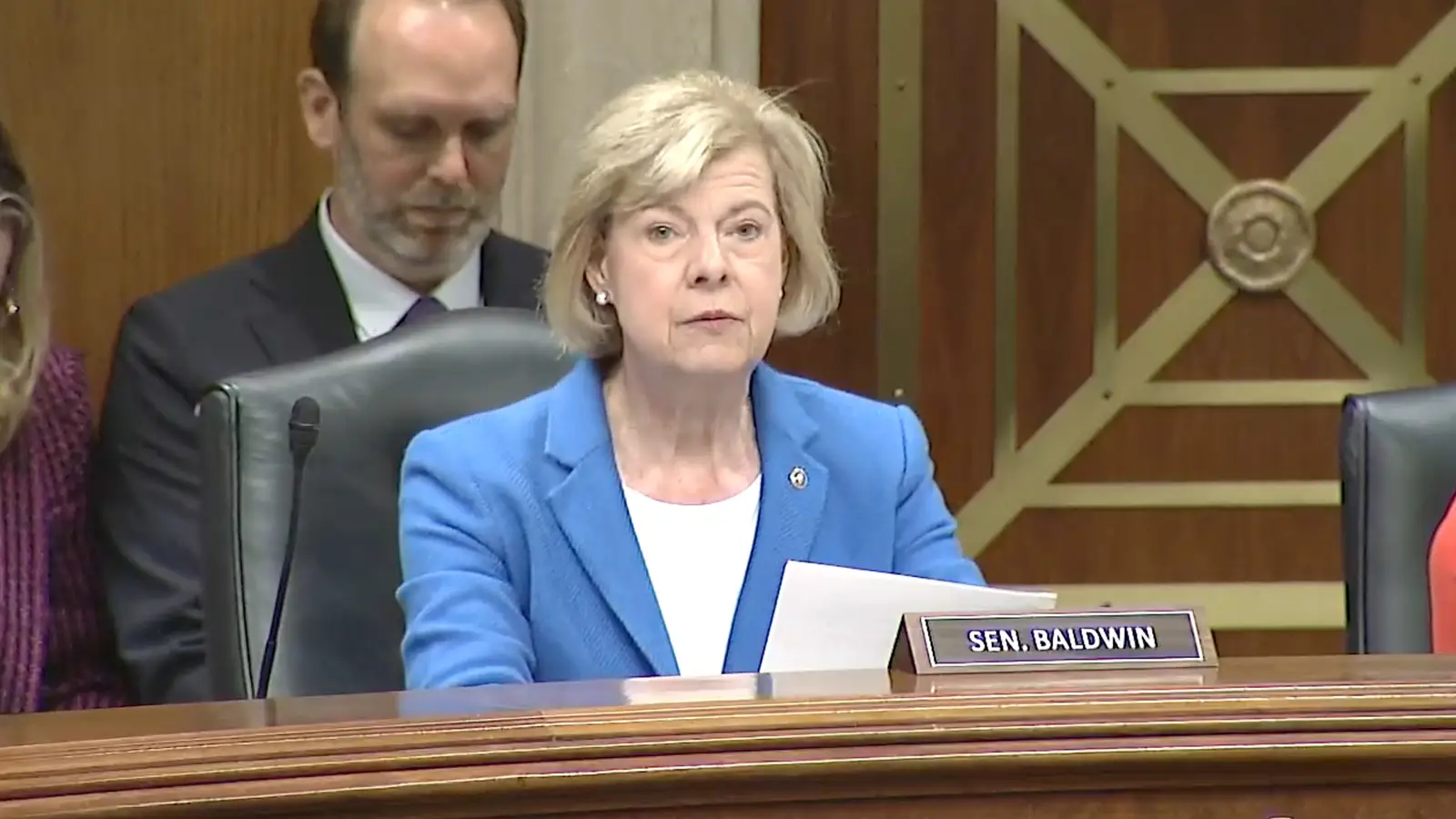
During a Senate hearing earlier this week, HHS Secretary Robert F. Kennedy Jr. was asked whether he would commit to restoring the tailored line for LGBTQ+ callers to 988, as required by law, after the Trump administration removed it last summer.
“We are working on getting it up now,” Kennedy said.
While most 988 calls are routed to the nearest call center, callers who press 3 or text PRIDE were once connected to a centralized network of trained crisis counselors who have shared lived experiences or are trained to provide services to LGBTQ+ youth.
Linking callers to local resources is usually best, since support outside of a phone call might be needed. However, for those in states where attacks on LGBTQ+ individuals are widespread, local resources may not be preferred, Hannah Wesolowski, chief advocacy officer for the National Alliance on Mental Illness, told MedPage Today.
With the elimination of the specialized line, “we lost the trust of a lot of people who no longer saw themselves as being reflected in 988,” she said.
Sen. Tammy Baldwin (D-Wis.), who authored the legislation responsible for creating the three-digit lifeline, replacing the prior 10-digit number, also introduced a bill last September, requiring the HHS Secretary to codify the 988 lifeline’s specialized LGBTQ+ program into law. That bill is still pending; however, provisions aimed at restoring the specialized program were tucked into the fiscal year 2026 funding legislation, which has been made law.
Wesolowski pointed out that LGBTQ+ youth are four times more likely to seriously consider and attempt suicide compared with their peers. When the “press 3” option was active, close to 10% of 988 callers used it, she said.
According to a 2024 survey from the Trevor Project, a nonprofit suicide prevention organization for LGBTQ+ youth, 39% of kids identifying as LGBTQ+ had seriously considered suicide in the past year, and 12% attempted suicide.
Michael Liu, MD, MPhil, of Harvard Medical School in Boston, who recently co-authored a JAMA study that showed that suicide deaths among adolescents and young adults declined across the U.S. after the launch of 988, pointed to “dramatic and specific reductions in mental distress among [the LGBTQ+] population after the implementation of press 3.”
Chase Anderson, MD, of the University of California San Francisco, told MedPage Today that LGBTQ+ youth experience different stressors than their peers, including “minority stress” — a term that denotes the chronic, high stress that stems from discrimination against stigmatized populations.
As a result, LGBTQ+ youth need to speak to somebody who understands how their suicidality may be influenced by discrimination around their gender identities, Anderson said, especially since this population’s challenges have only gotten worse in recent years.
While reinstating the specialized 988 line is a “nice step,” Anderson said that he remains skeptical due to the continued attacks on LGBTQ+ individuals, especially transgender people, by the Trump administration and the Supreme Court.
“The Trump administration has very much demonized transgender people,” he noted. “We still have a long ways to go in terms of making sure that every American actually feels safe in America.”
The fiscal year 2026 funding bill included $535 million for the 988 Suicide and Crisis Lifeline, including $33.1 million for the LGBTQ+ line. The legislation does not include a timeline for reinstating the program.
Source: Read Full Article