










Every year, the Costume Institute showcases its collection of clothing and accessories through an annual themed exhibit at The Metropolitan Museum of Art.
The Institute, which is traditionally funded through ticket sales and fundraisers at the Met Gala event via Vogue Magazine, has also traditionally been very exclusive to abled bodies.
However, a major change has occurred this year. If you watched the Met Gala last night, you might have noticed disability and body inclusivity at the forefront of the event. For instance, trans Antiguian American model and musician who has quadriplegic cerebral palsy, Aariana Rose Philip, became the first wheelchair user to ever attend the event.
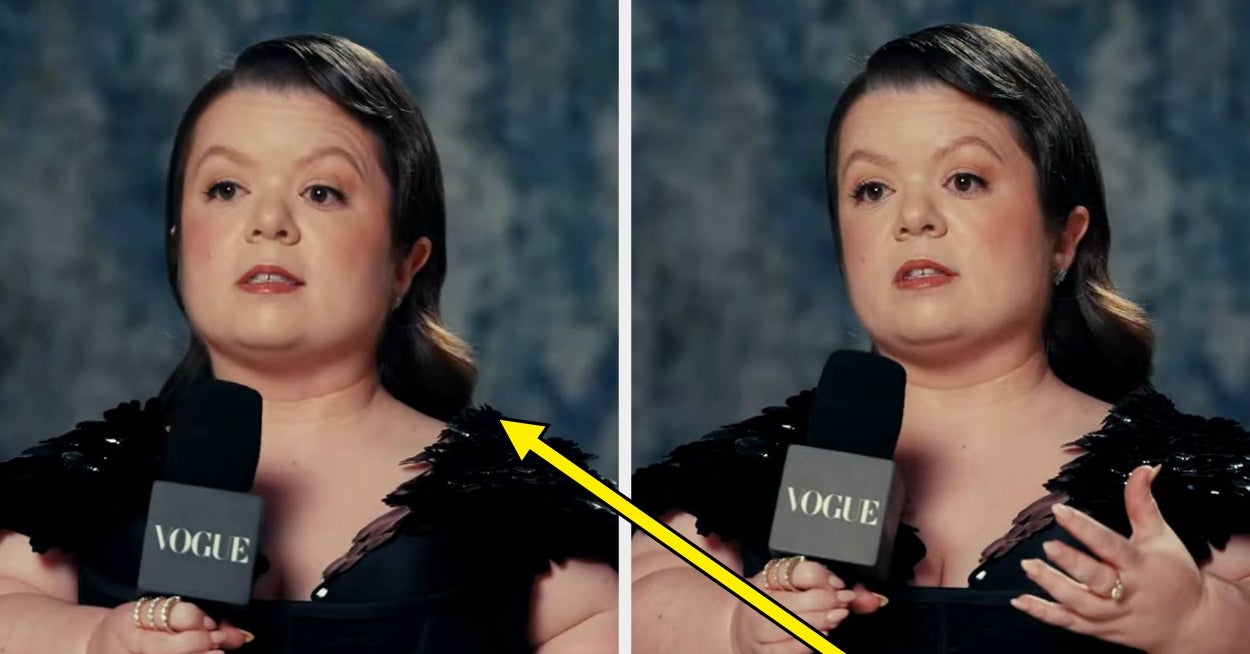
And the chief executive officer of accessibility and inclusion consultancy Tilting the Lens, Sinéad Burke, who made her Met debut in 2019, was a major force in helping create this year’s exhibit.
According to a Vogue interview with Ashley Graham yesterday, Sinéad explained that for the last 18 months, she and her team have been working with the Costume Institute to bring this year’s exhibit, Costume Art, to life. “Tonight is Costume Art, which speaks to the origins of the Costume Institute but also the reality that fashion is art because of embodiment,” she said. “When we wear a garment on our body, different kinds of bodies, that’s what makes it art.”
She goes on to say that this is the first time the Costume Institute is having a whole section in its exhibit called “The Disabled Body,” which the Tilting the Lens team has consulted on. “We have suggested incredible disabled designers like Sugandha Gupta and Helen Cookman, who haven’t been part of the Costume Institute before,” she said. “We have an array of amazing mannequins built on disabled bodies from Aimee Mullins, Aariana Rose Philip, to myself.”
Not only did she provide her own body for the exhibit, but Sinéad also donated two fashion pieces from her own closet to the Costume Institute’s permanent collection, as well as made the Met Gala accessible for the very first time since its inception in 1948. “The Met Gala is a symbol of ‘steps,’ which for so many with physical disabilities is a symbol of inaccessibility — so tonight, for the first time, people with physical disabilities will have more fairer access at the Met Gala.”
“And really, what that means is it’s an explicit and radical invitation for disabled people to see themselves in fashion, to see themselves in The Met, to see themselves in the Costume Institute — but this is one milestone of many that we need,” she continued. “It also reveals the lack of disabled talent that we have in the fashion industry, the need to create pipelines of talent, and the need for more accessibility overall.”
Sinéad also said that if you plan to visit the exhibit in New York City, she wants people to know that her team has trained all the guides who will lead tours through the exhibition to be very versed in disability rights and disability justice, ensuring the tours are thoughtful and intentional.
As someone who used to go to the Met to visit the fashion exhibitions every year with my disabled mom before she passed away, it means a lot that disabled bodies are being highlighted. But while I’m flooded with memories of her and I in awe at all the costumes, I’m also reminded of all the times when she wasn’t able to stand for long periods or how the exhibit’s lack of seating areas prevented her from fully enjoying these works of art without simultaneously focusing on her pain.
When I called the Met’s accessibility phone number to ask whether adjustments and accommodations had been made to this year’s exhibit to make it easier for disabled people to view, the person on the phone didn’t have a clear answer because she hadn’t personally seen the exhibit. However, she mentioned that, historically, the exhibit hasn’t been very accommodating to disabled guests (e.g., seating areas or accommodations for people with mobility devices).
But if you are a disabled person planning to visit the exhibit, the Met can offer a few accommodations. She informed me that the museum offers wheelchairs and light sitting stools for free of charge. If you want a stool, you can ask at the front desk when you buy your ticket, and if you want a wheelchair, you can ask security when you first walk into the museum.
In the meantime, I’m really glad to see all these adjustments made at the Met Gala and the exhibit, but as Sinéad said, this is just one milestone of many that are still needed.
Source: Read Full Article
Share this:
- Share on Facebook (Opens in new window) Facebook
- Share on X (Opens in new window) X
- Share on WhatsApp (Opens in new window) WhatsApp
- Share on Reddit (Opens in new window) Reddit
- Share on Threads (Opens in new window) Threads
- Share on LinkedIn (Opens in new window) LinkedIn
- Share on Telegram (Opens in new window) Telegram