










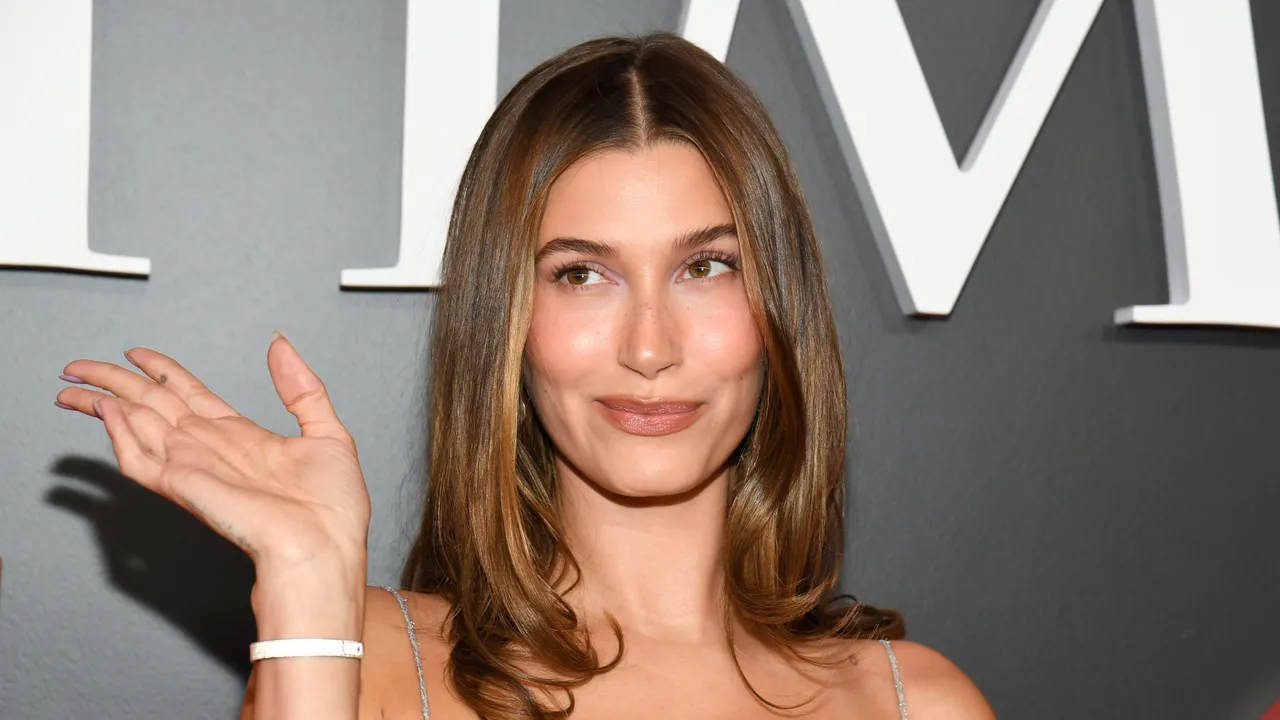
If there’s one haircut that’s been quietly defining 2026, it’s the Cup Cut. Blending chin and collarbone length layers with the swishy feel of a fresh blowout, multiplied by the bounce and personality of a bob, it’s as if two of our all-time favorite styles had a chic—and happily low maintenance—baby.
Already we’ve seen Kaia Gerber, Camila Morrone, Hailey Bieber and Laura Harrier embrace the style, as well as street style inspo from influencers and editors, so we got in touch with top hair stylists to get the inside scoop.
What is the Cup Cut?
The style its name from the shape and structure it creates, as different length layers quite literally cup the face to frame features. Meanwhile the tiered effect tapers the hair adding extra volume at each level (like an upside down coffee cup).
Essentially, it features “soft, blended face framing layers that start somewhere between the cheekbone and the chin, depending on how strong you want the shape,” explains Carl Bembridge, Color Wow Ambassador. “The key is that the layers are seamless and slightly rounded inwards with nothing too choppy or disconnected. It should feel like everything flows into one another. It’s kind of like a modern bouncier take on the Rachel Cut,” he adds.
How can I get the Cup Cut?
Before styling, you have to ensure your layers are tailored to create the perfect shape. “Ask your stylist for soft, face-framing layers that graduate around the cheekbones, jawline, and collarbone, creating that subtle cupping effect around the face,” explains Amika‘s Stylist Partner, Tobias Bell. “It’s not about heavy layering it’s more about internal shape and flow, so everything blends seamlessly,” he says. As for how to ensure you land on exactly the look you want, “I’d always recommend bringing reference images, because it’s quite a visual cut. The key words I’d use are ‘face-framing,’ ‘soft layering’ and ‘rounded shape through the front.’ You still want to maintain density through the ends, so it shouldn’t feel thin or over texturized,” he adds.
Plus, you can customize it to your hair type and length. “This cut can be tailored to suit different thicknesses and lengths, from a midi length to longer ends,” says London hair stylist, Hollie Rose Clarke.
Source: Read Full Article