











Study: Malaria Shaped Human Settlement Patterns for Over 74,000 Years

New research led by Max-Planck Institute of Geoanthropology and University of Cambridge scientists suggests malaria did more than sicken ancient populations, it steered where early humans could live, fragmenting groups and influencing the genetic map of our species. Colucci et al. explored whether Plasmodium falciparum-induced malaria drove habitat choice in human societies 74,000 to 5,000…
Read More

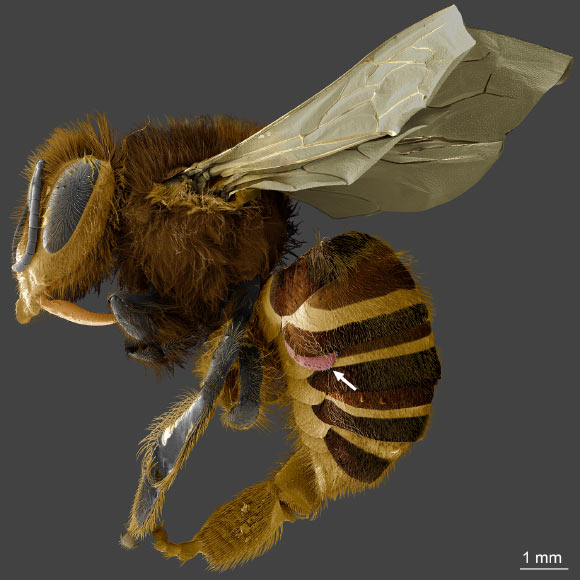
Californian Hybrid Honeybee Population Has Evolved Natural Defense against Varroa Mites: Study

Honeybees (Apis mellifera) are important ecological and agricultural pollinators. In the United States, beekeepers experience substantial annual colony losses, largely driven by parasites such as the mite Varroa destructor. In new research, scientists studied a hybrid honeybee population in Southern California, a genetic mix of Western European, Eastern European, Middle Eastern, and African lineages. They…

Read More