







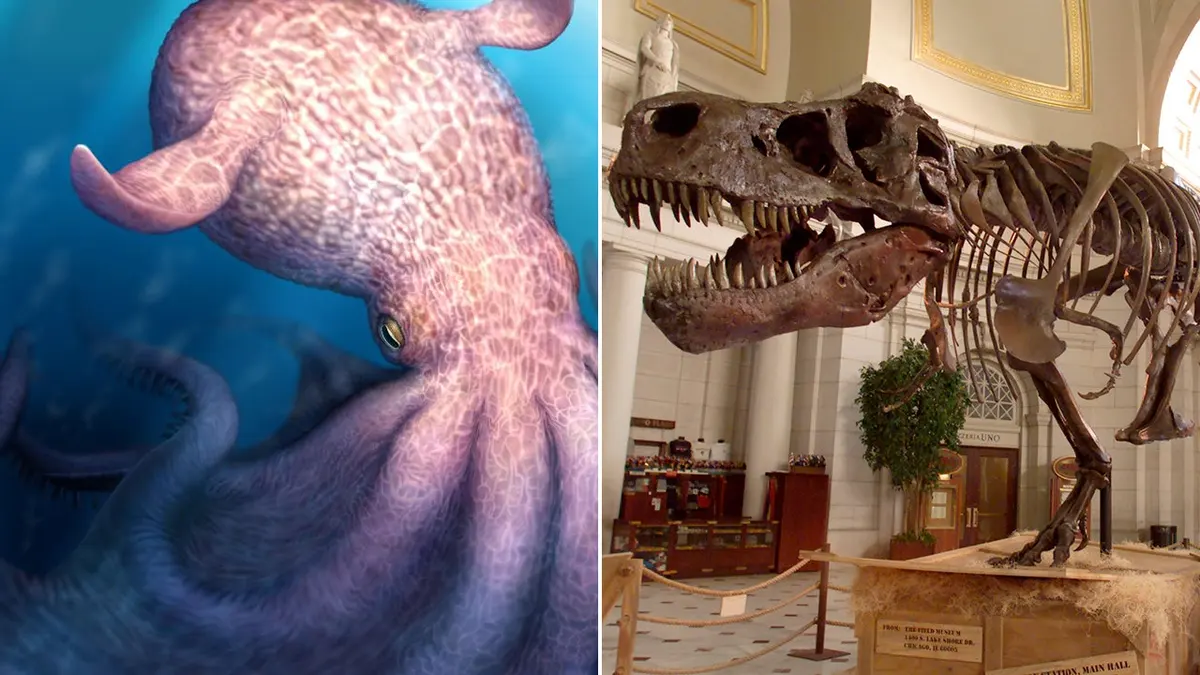
Ancient octopus ancestors may have been ‘gigantic’ predators during dinosaur age

Octopuses’ earliest relatives that lived 100 million years ago may have been “gigantic” predators that hunted alongside dinosaurs, according to new research. Although scientists previously believed that the earliest finned octopuses lived around 15 million years ago, researchers with Hokkaido University found fossilized jaws inside Late Cretaceous rock samples, according to a study published in…
Read More

500-Million-Year-Old Fossil Identified as Oldest Known Chelicerate

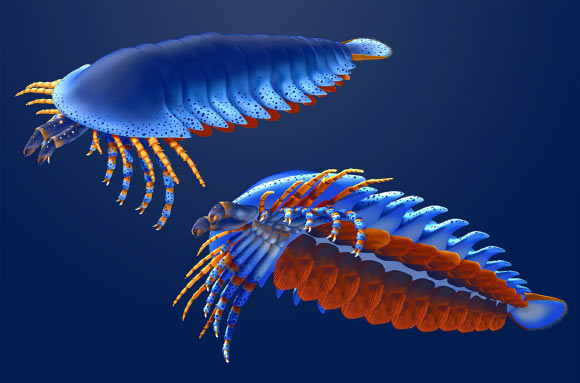
Paleontologists at Harvard University have described a large predatory arthropod from the Middle Cambrian of Utah featuring massive three-segmented chelicerae. Named Megachelicerax cousteaui, this soft-bodied animal represents the earliest known member of the chelicerates, pushing back the origins of spiders, scorpions, horseshoe crabs, and sea spiders by 20 million years. The surprisingly complex anatomy of…

Read More

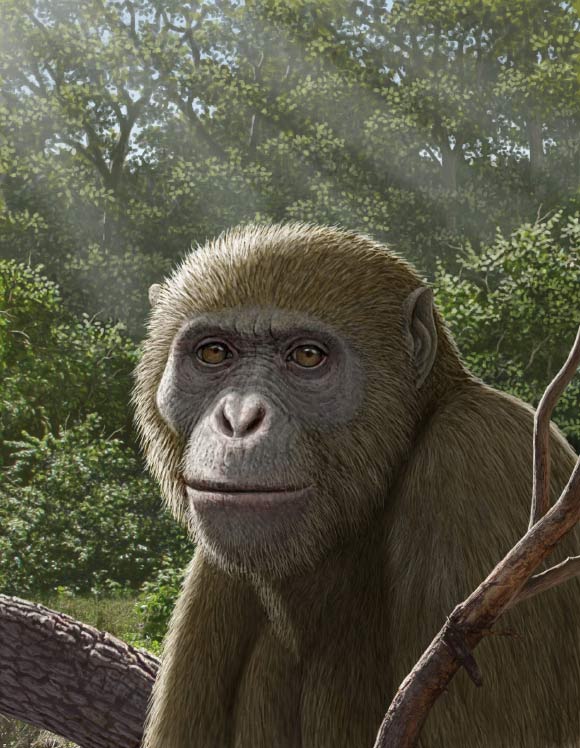
Early Miocene Fossil Fills Gap in Ape Family Tree

Paleontologists have identified a new genus and species of fossil ape that lived about 17-18 million years ago in northern Egypt. The discovery suggests that the ancestors of modern apes — and humans — may have emerged not in East Africa, but at a crossroads between Africa and Eurasia. Life reconstruction of Masripithecus moghraensis. Image…

Read More

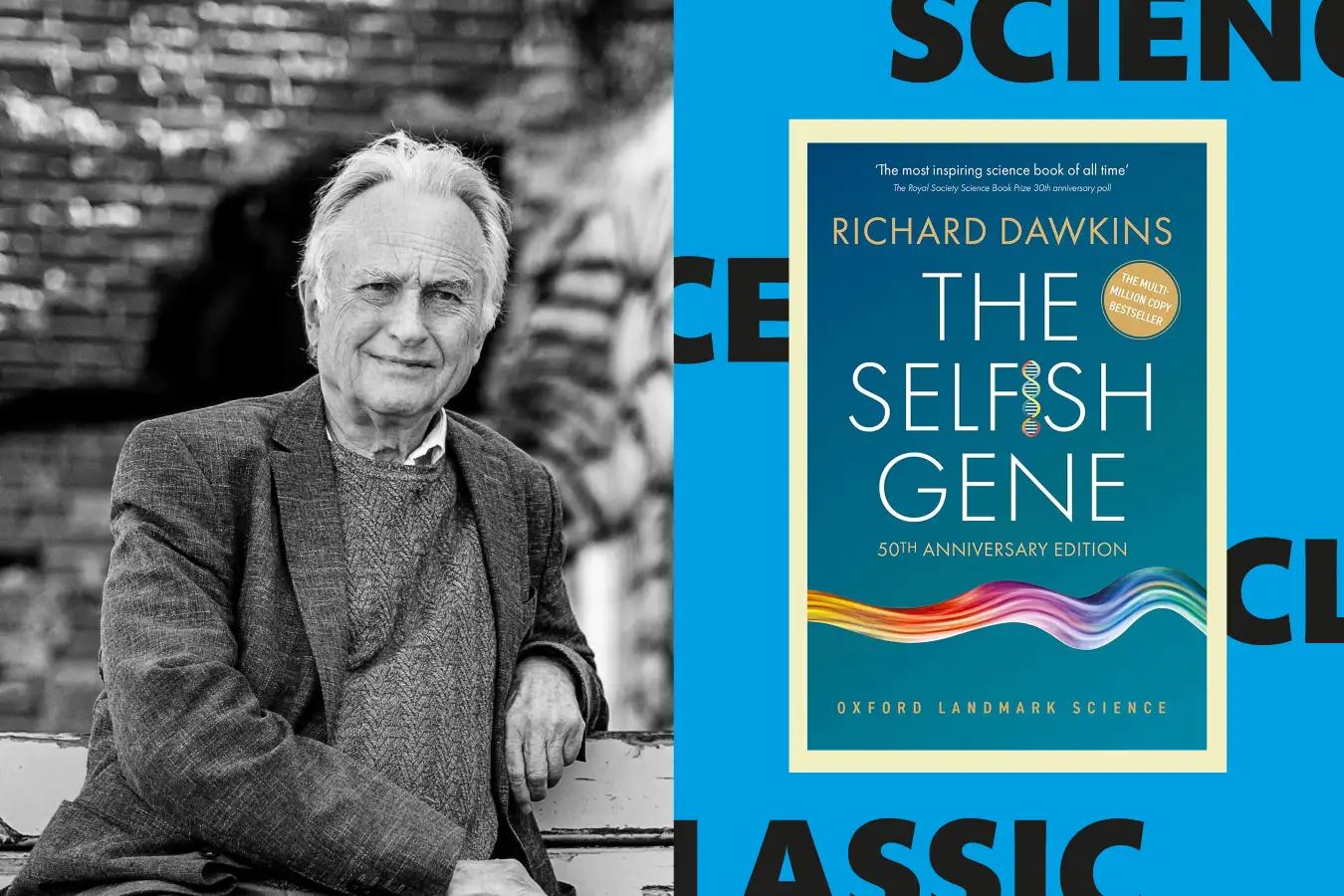
Best science books of all time: Why The Selfish Gene is still one of the most thrilling evolution books ever

‘Richard Dawkins brilliantly made us think from the gene’s-eye view’: rereading The Selfish Gene In 1976, Richard Dawkins published a book titled after an idea he’d come up with while teaching a lecture on animal behaviour for his PhD supervisor. It just so happened that the idea of The Selfish Gene was an irresistible scientific…

Read More