






Why Geologists Love Pond Scum

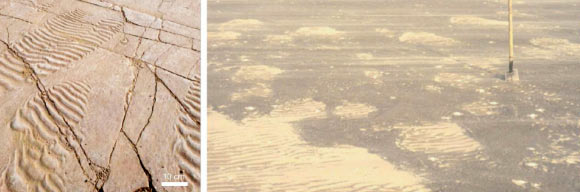
If you’ve ever wondered how geologists know so much about ancient beaches and shallow oceans — from the paleoenvironment to the animals roaming around, the seasonality of the weather, and even the time of day when the ancient scene was preserved — they owe it all to the sand particles bound together by microbes, forming…
Read More

Ancient Tidal Flats Were Busier Than We Thought

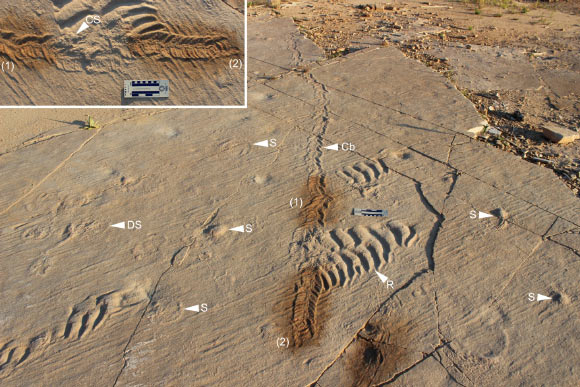
New trace fossil discoveries from the half-billion-year-old Cambrian tidal flats of Wisconsin at a site called Blackberry Hill continue to paint the picture of some of the earliest animals to set foot on land and what they might have been eating. The mollusk trail Climactichnites blackberriensis (Cb) presumably stopping to eat a scyphozoan (jellyfish) that…

Read More

500-Million-Year-Old Fossil Identified as Oldest Known Chelicerate

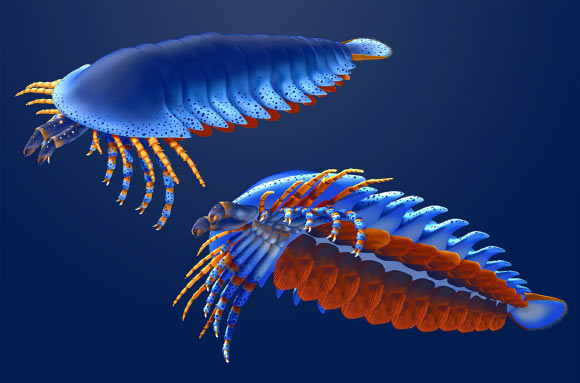
Paleontologists at Harvard University have described a large predatory arthropod from the Middle Cambrian of Utah featuring massive three-segmented chelicerae. Named Megachelicerax cousteaui, this soft-bodied animal represents the earliest known member of the chelicerates, pushing back the origins of spiders, scorpions, horseshoe crabs, and sea spiders by 20 million years. The surprisingly complex anatomy of…

Read More