








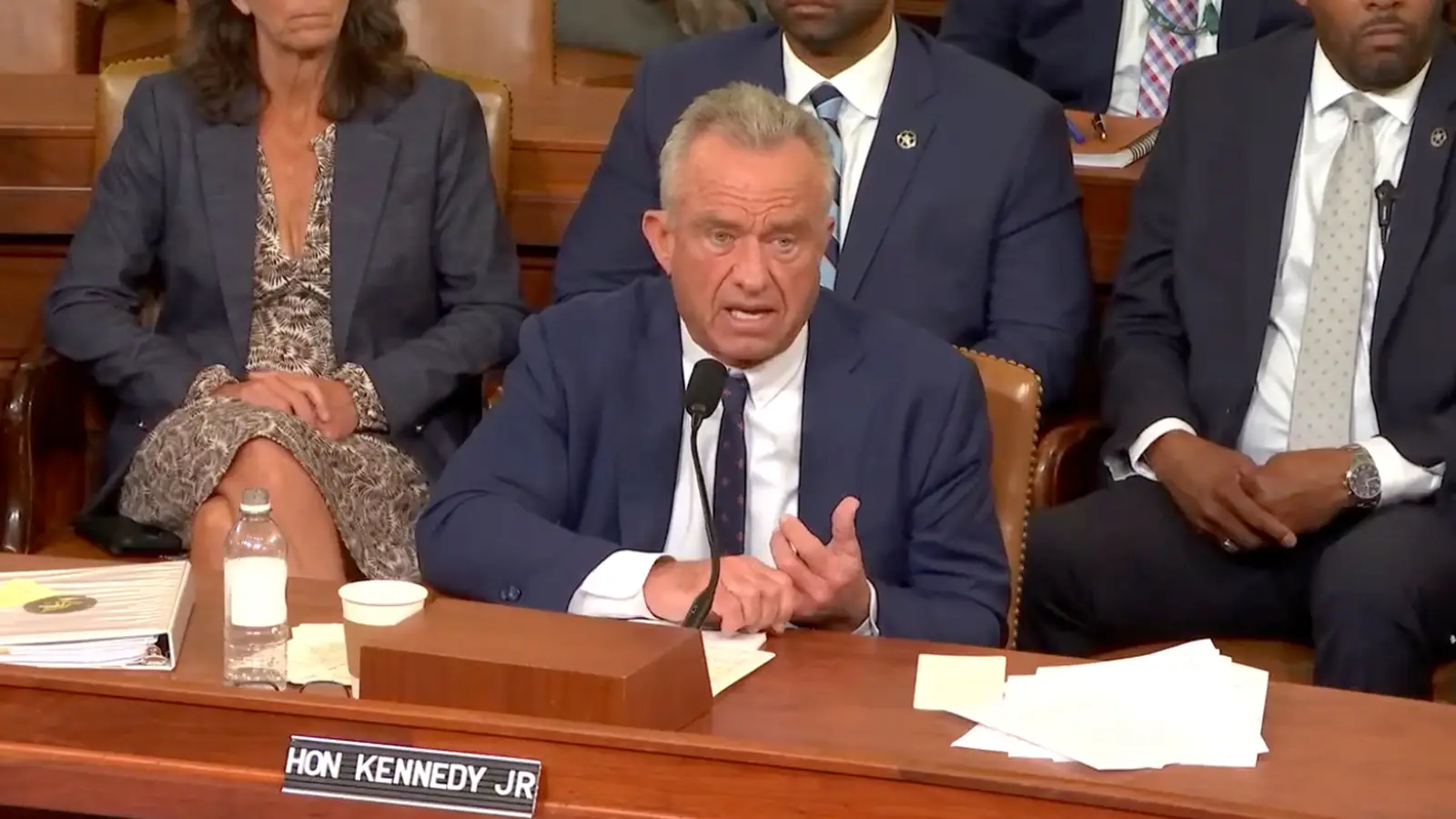
HHS Secretary Robert F. Kennedy Jr. on Thursday told House lawmakers he’s “reforming” the U.S. Preventive Services Task Force (USPSTF).
“That committee has been lackadaisical and negligent for 20 years,” Kennedy said during a House Ways and Means Committee hearing on the HHS 2027 budget. “We’re now bringing new members on who have a clear mission.”
There has been concern since last year that Kennedy might disband the 16-member panel. The task force, which typically meets three times a year, hasn’t convened since March of last year, with the 2025 meetings in July and November and the March 2026 meeting all abruptly canceled.
Yet on Thursday, Kennedy told lawmakers “we’re going to have much more frequent meetings” and promised more transparency from the USPSTF, which makes evidence-based recommendations on preventive healthcare services that dictate what insurers are required to cover.
The latest meeting for the task force has yet to be rescheduled, leaving four recent draft guidelines that were set to be finalized in limbo. Those guidelines address screening adults for unhealthy alcohol use, self-swabs for cervical cancer screenings, counseling for women at increased risk for perinatal depression, and vitamin D supplements to prevent fractures and falls in older people.
Public health advocates have expressed alarm over the USPSTF work slowdown and earlier this year, two original task force members warned that HHS could effectively eliminate the USPSTF or delegitimize the independent body, similar to what has transpired with the CDC’s Advisory Committee on Immunization Practices (ACIP).
The evidence-based work of the USPSTF is “in jeopardy,” argued Robert Lawrence, MD, the first chair of the task force when it started over four decades ago, and Steven Woolf, MD, MPH, its first scientific advisor, in a February perspective piece.
They warned that current law requires coverage of care even if the USPSTF starts making sketchy recommendations based on weak evidence.
“Purchasers and insured populations could find themselves paying for dubious screening tests or for counseling patients about vaccine risks or unconventional dietary practices,” they wrote. “As occurred with the ACIP, the medical and public health community may lose trust in the USPSTF and look to professional organizations for guidance on preventive services.”
In March, 19 Senators sent a letter to Kennedy, pointing out that the USPSTF hadn’t met in more than a year, and urging him to allow the committee to do its work.
The USPSTF has been around since 1984, playing an important role when it comes to access to essential health services. Task force recommendations that receive an A or B grade, like colorectal or breast cancer screenings, are required to be covered by health insurers without cost-sharing by patients.
A Supreme Court decision last year upheld that the appointment of USPSTF members by the HHS Secretary is constitutional, meaning that members could be let go and replaced at will.
Last July’s meeting, which was never rescheduled, was meant to discuss diet, physical activity, and weight loss to prevent cardiovascular disease in adults.
At the time, more than 100 healthcare organizations, including the American Medical Association, signed a letter to the Senate health committee and its chair, Sen. Bill Cassidy, MD (R-La.), urging protection for the integrity of the task force.
“We urge Congress to protect and preserve the USPSTF’s current structure and operations to ensure that everyone continues to benefit from trusted, evidence-based preventive care,” the letter stated.
Ian Ingram contributed reporting to this story.
Source: Read Full Article