









Environmental groups have sued the Trump administration over its approval of BP’s huge new ultra-deep oil drilling project in the Gulf of Mexico, 16 years to the day since the company’s Deepwater Horizon disaster caused the worst oil spill in US history.
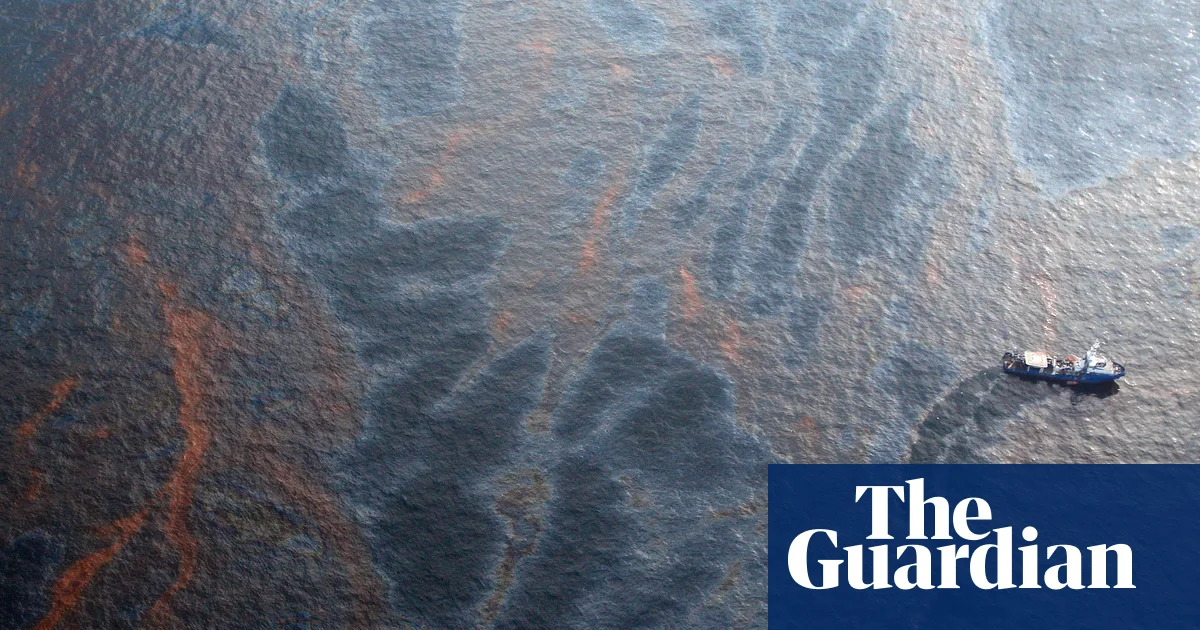
In March, the administration approved a plan by BP to drill for oil at even greater depths than the Deepwater Horizon project, which resulted in an explosion that killed 11 people and gushed more than 3m barrels of oil into the ocean, a leak that took 87 days to stem.
The oil coated shorelines across five states and caused severe damage to wildlife such as fish, whales and sea turtles, as well as coastline ecosystems and fishing communities.
The British company’s new $5bn project, known as Kaskida, will be located around 250 miles off the coast of Louisiana and will plunge drilling equipment 6,000ft deep into the Gulf’s water.
Drills will then extend much further down into the seabed itself, in all reaching down about 6 miles – deeper than the height of Mount Everest. BP forecasts this drilling will extract around 80,000 barrels of oil a day from six wells once production starts in 2029, drawing upon a deposit that holds 10bn barrels of oil in total.
On Monday, the 16th anniversary of the 2010 Deepwater Horizon explosion, a coalition of five green groups filed a lawsuit aimed at reversing the approval of Kaskida by Trump’s interior department, claiming the drilling poses a catastrophic risk to the environment and local communities.
“The Trump administration has teed up the entire Gulf region for a Deepwater Horizon sequel with its approval of BP’s extremely risky ultra-deepwater drilling project,” said Brettny Hardy, senior attorney at Earthjustice, one of the groups.
“The green lighting of BP’s project sets a dangerously low bar for oil-and-gas companies that want to drill in our public waters. We’ll see the Trump administration in court over its unlawful and insulting approval of Kaskida.”
The lawsuit alleges BP has failed to provide legally required information related to the project and the company has been unable to demonstrate it can safely drill at such extreme depths, where “loss of well control” incidents, which occurred in Deepwater Horizon, become more likely.
BP has also not shown it has the containment capabilities to prevent a much larger oil spill, of around 4.5m barrels of oil, to spread across the Gulf, the lawsuit alleges.
BP, which is not a defendant, rejects accusations that Kaskida will be unsafe.
The Trump administration has sought to accelerate domestic oil drilling across the US, including in the Gulf and contentious new areas such as the California coast and the Arctic, to further bolster the US’ position as the world’s leading producer of oil and gas, which when burned are causing the dangerous overheating of our planet.
Last month, amid the Iran war, the administration provided the oil and gas industry with an exemption from endangered species laws in the Gulf. The move could doom the Rice’s whale, a species found only in the Gulf that lost about a fifth of its population after the Deepwater Horizon spill.
“Energy production in the Gulf of America is indispensable to our nation’s strength, safeguarding our energy independence and preventing reliance on foreign adversaries,” said Doug Burgum, the interior secretary, when announcing the exemption.
“Robust development in the Gulf keeps our economy resilient, stabilizes costs for American families and secures the US as a global leader for decades to come.”
But green groups, which are also suing to overturn the so-called “god squad”rescinding of endangered species rules, said the new BP drilling was “appalling”. Rachel Mathews, a senior attorney at the Center for Biological Diversity, said the project “will put Rice’s whales, sea turtles and other Gulf wildlife at terrible risk. Ultra-deepwater drilling is ultra-dangerous, full stop.”
BP said it has overseen 100 safely-drilled deepwater projects since 2010 and new equipment designed to prevent disastrous spills.
“Deepwater Horizon forever changed BP,” said a company spokesperson. “The lessons we learned and the changes we made – from tougher safety standards to better oversight – remain at the forefront of who we are and how we operate every day.”
The spokesperson added that the lawsuit is “unfounded” and “singles out BP in an apparent broader effort to block not only the Kaskida project but all future offshore oil and gas development in the US”.
The bureau of ocean energy management (BOEM), an agency within the US Department of the Interior, said it did not comment on ongoing litigation.
It said in a statement: “The Department’s review of all permits and plans associated with offshore energy projects incorporates the highest levels of analysis and scrutiny … The Kaskida platform represents a major step forward, unlocking more than 275m barrels of previously unrecoverable oil in the Gulf of America.”
Source: Read Full Article