








What’s fragrant, floral, and perfectly devious? If you’re confused, imagine what it must be like for the bees ensnared in the colorful clutches of a pink lady’s slipper (Cypripedium acaule). This large species of wildflower has ingenious pollinating tactics that were highlighted by the United States Fish and Wildlife Service on April Fools’ day. But this is no joke.
Pink lady’s slippers are members of the roughly 28,000 member orchid family, and their bulbous flowers are generally pink. They grow throughout a significant part of the eastern U.S., usually blooming between May and July. Like many flowers, they draw bees in with their color and fragrance. But what happens next is more dramatic than one might expect. The bee enters the slipper-shaped flower pouch expecting to find nectar, but there is none.
“Instead, the bee is now inside a floral escape room with no exits… except one very specific exit,” the federal agency noted. “The entrance closes behind it, and the only way out is to squeeze through a tight opening near the top of the flower.”
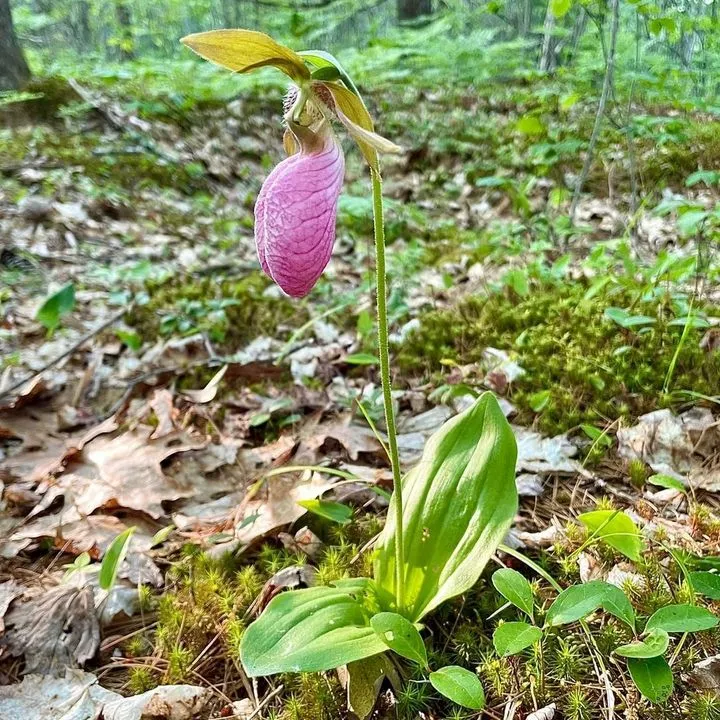
Squeezing through this opening means the pollinator emerges dusted with pollen, which is rather convenient for the flower.
“It flies off, a little confused, a little betrayed, and immediately falls for the same trick again at another pink lady’s slipper. The bee has been tricked into pollinating the next generation,” the U.S.F.W.S continued.
It’s simply a native orchid pulling off one of the most elaborate pollination scams on the continent.
Pink lady’s slippers are also known as the Moccasin flower. Other members of this colorful genus include the White lady’s slipper (Cypripedium candidum), Yellow lady’s slipper (Cypripedium parviflorum), Spotted lady’s slipper (Cypripedium guttatum), and Ram’s-head lady’s slipper (Cypripedium arietinum), as well as other lady’s slippers.
A note to the bees—better to be a bee scammed by a pink lady’s slipper than a fly gobbled up by a venus fly trap (Dionaea muscipula).

2025 PopSci Best of What’s New
Source: Read Full Article