









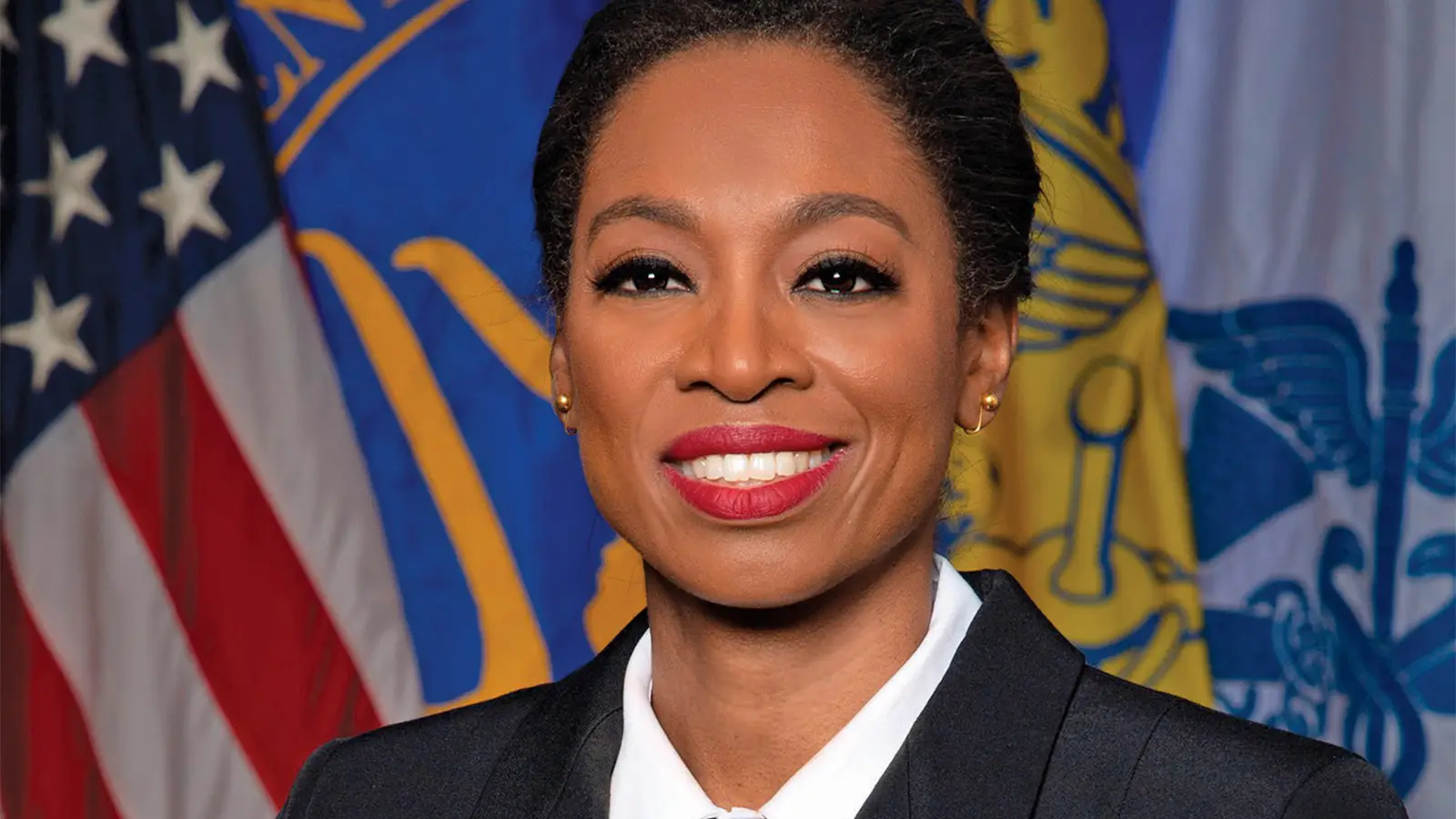
On paper, Erica Schwartz, MD, MPH, JD, is exactly who you’d design if you were building a CDC director from scratch. Retired rear admiral in the Public Health Service Commissioned Corps. Former chief medical officer of the Coast Guard, where she oversaw 41 clinics and 150 sick bays. Former deputy surgeon general at HHS. Board-certified in preventive medicine. MD from Brown University. MPH from Uniformed Services University, the “West Point of Medicine.” A JD on top of it. She has led large, complex health systems under pressure and done it well.
So this should be the easy part of the story. It isn’t.
The harder question is: will she be empowered to actually do the job? The CDC sits under a health secretary who holds positions that are not supported by the evidence base, particularly on vaccines, and the last confirmed director, Susan Monarez, PhD, lasted roughly 4 weeks before being fired for declining to pre-approve recommendations without reviewing the science. Nothing about that dynamic has changed. The structural problem Schwartz is walking into is the same one that ended her predecessor’s tenure.
Here’s what I keep thinking about: Women are very often elevated into leadership at exactly the moment an organization is broken. Handed the keys to a burning building and told to fix it. And when external forces make the fix impossible, the woman in the chair wears the failure. The “glass cliff” isn’t a metaphor. It’s a pattern.
I’ve lived a version of this. I was asked to lead a very large, very public effort with a real risk of failure baked in. I said yes because the mission mattered. And then external forces threw up roadblocks that had nothing to do with the quality of the work or the team. I learned something I won’t forget: being qualified is not the same as being set up to succeed. Those are two very different things, and the gap between them is where careers quietly get broken.
So, my hot take is two things at once: Schwartz is a genuinely strong choice. And I hope the Senate, the agency, and the public are watching not just whether she gets confirmed, but whether she is given the authority, the air cover, and the evidence-based independence the role actually requires.
Why do we keep handing women the hardest jobs at the hardest moments, and then judging them by outcomes they were never allowed to control?
I’m rooting for her — and watching closely.
Terry Adirim, MD, MPH, MBA, is a physician executive who has led large-scale health system transformation across federal, academic, and national healthcare environments.
Source: Read Full Article