







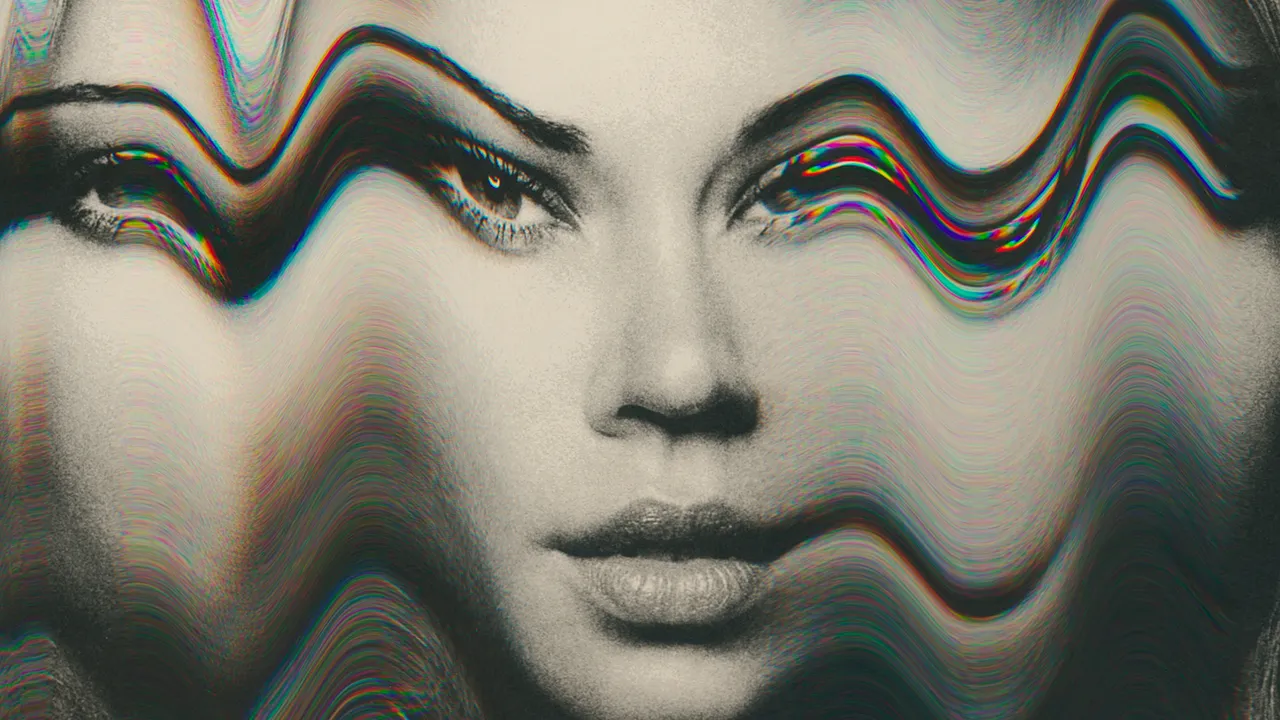
The virtual influencer is not, strictly speaking, new. In 2016, a C.G.I. avatar named Lil Miquela appeared on Instagram, presenting as an aspiring musician from Southern California. Miquela, who was created by Trevor McFedries, has hazel eyes, olive skin, freckles, and a tasteful tooth gap; she often wears her brown hair in twin buns with pin-straight bangs. Her racial ambiguity was perfectly calibrated to an era in which brands were clamoring to amplify their social-media presence by appealing to as many audiences as possible. It was clear to anyone looking closely that she wasn’t real, but that was part of the appeal. Miquela partnered with Prada, made out with Bella Hadid for a Calvin Klein ad, and walked the red carpet at the Grammys. The project helped McFedries and his team raise millions of dollars in venture-capital funding for their startup. Cyan Banister, a former partner at Founders Fund, told the Wall Street Journal that the appeal was simple: “You can create the Kardashians without any of the inherent issues that come with being human.”
Not everyone is enthusiastic about the new possibilities. In late March, a Black New York-based influencer named Tatiana Elizabeth discovered that a white influencer named Lauren Blake Boultier had used A.I. to swap her own face onto a picture of Elizabeth from the U.S. Open in 2024. (Blake issued a statement blaming a “third-party AI content agency” for the oversight.) “The low barrier to entry with A.I. is disgusting,” Elizabeth told me. “I had to wake up in the morning and get a nanny for my son to go to the U.S. Open all the way in Queens. I had to put in eight years of work to get that opportunity.” When I mentioned Baddies in AI, Elizabeth was critical. “Where does the line get drawn? Where’s the respect for each other and each other’s experiences? I don’t think that it’s right, especially without any transparency,” she said.
At a certain level, attaining celebrity requires a body: it’s hard to imagine how fake accounts could imitate, say, the rise of Addison Rae or the feud between Alix Earle and Alex Cooper. McFedries, who, with his team, gave Miquela a rich backstory—she had a blond, Trump-supporting nemesis named Bermuda—told me that he thought the new crop of A.I.-generated accounts was too short-sighted to succeed. “We were trying to build Disney for a new world,” he told me. “The technology enabled the storytelling which enabled the affinity which enabled the commerce. People are skipping steps.” But as A.I. gets better, it seems as if it will only get easier to manufacture the sort of narrative that made Miquela popular. Influencer culture has always been about commodifying intimacy—and, at a certain point, authenticity stopped seeming to really matter to people. Sienna Rose, a neo-soul singer who is widely suspected to be A.I.-generated, has released tracks that have been shared by Selena Gomez and the BTS member V, and she has made it into Spotify’s Viral 50 in the U.S. (In January, on TikTok, whoever runs the account posted a defiant video of Rose with a text overlay that read “when half of the world thinks you’re fake, but you’re really just out here living your dream life.”) Jessica Foster, an A.I.-generated character who claimed to be in the Army and posted photos with Donald Trump, amassed more than a million Instagram followers before Meta took down her account.
In the adult-content industry, identity cosplay takes a different form. One woman wrote in the Baddies in AI group that she was in “several Discord groups with 95% men using a woman’s image for their Fanvue content.” This aligned with what I found in YouTube tutorials about so-called pornbots: men teaching men how to make women for other men. Last year, a video posted by an OnlyFans strategist named Markuss Kohs laid out the value proposition with candor, contrasting the difficulties of human models (“50% Profit Split,” “Hard to work with”) with the rewards of A.I. creations (“Works around the clock”). On various Discord servers for pornbot creators, the tone is eerily convivial: there are debates about the best L.L.M.s for video generation, pointers on how to avoid one’s account getting flagged on different social-media platforms, and words of encouragement for those just starting out with their first models. “I’m looking for people who are at a similar level to brainstorm and shoot ideas with,” a user named Lorenzo posted. An account called Papa Sesh sent the group a picture of a recent job that he’d sent off to a client: “should’ve fixed the nipple up a bit more but oh well he was still happy.”
Source: Read Full Article