








Study: Malaria Shaped Human Settlement Patterns for Over 74,000 Years

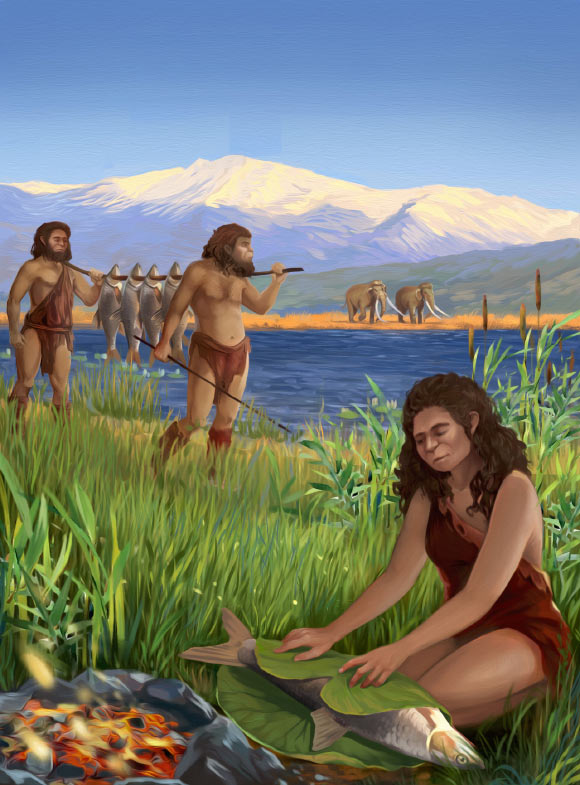
New research led by Max-Planck Institute of Geoanthropology and University of Cambridge scientists suggests malaria did more than sicken ancient populations, it steered where early humans could live, fragmenting groups and influencing the genetic map of our species. Colucci et al. explored whether Plasmodium falciparum-induced malaria drove habitat choice in human societies 74,000 to 5,000…

Read More

Large Language Models Don’t Just Analyze People, They Judge Them

New research from the Hebrew University of Jerusalem shows that large language models (LLMs) form structured ‘trust’ assessments much like humans do, yet apply them more mechanically and, sometimes, with stronger, more consistent demographic bias. Large language models implement a coherent but rigid and sometimes biased model of interpersonal trust that only partially aligns with…

Read More

Early Miocene Fossil Fills Gap in Ape Family Tree

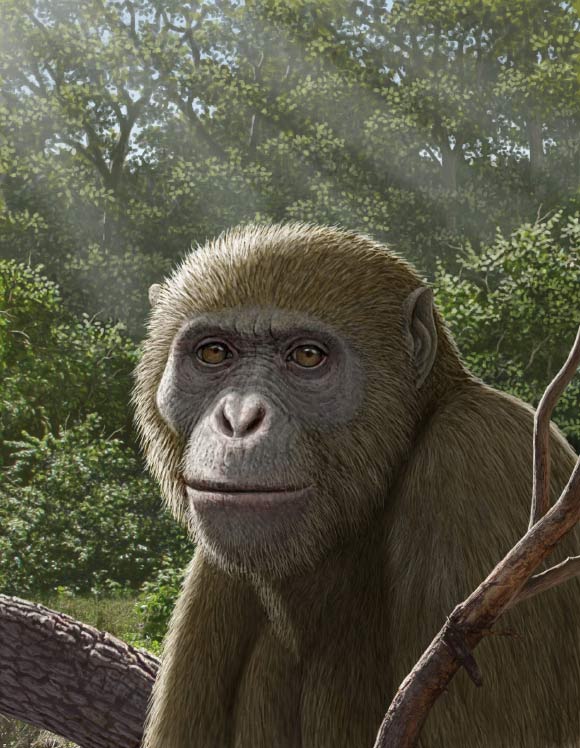
Paleontologists have identified a new genus and species of fossil ape that lived about 17-18 million years ago in northern Egypt. The discovery suggests that the ancestors of modern apes — and humans — may have emerged not in East Africa, but at a crossroads between Africa and Eurasia. Life reconstruction of Masripithecus moghraensis. Image…

Read More

New Fossil Crocodile from Ethiopia Lived alongside Australopithecus afarensis

Paleontologists analyzing fossils from Ethiopia have described a previously unknown crocodile species that shared the landscape with a hominid species called Australopithecus afarensis. Named Crocodylus lucivenator, the formidable predator may have stalked Australopithecus afarensis at watering holes in the wetlands and woodlands of the Pliocene. Crocodylus lucivenator overlapped with the famed Lucy and her hominin…

Read More