







Two Earth-Size Worlds in TRAPPIST-1 System Reveal Stark Divide Between Day and Night

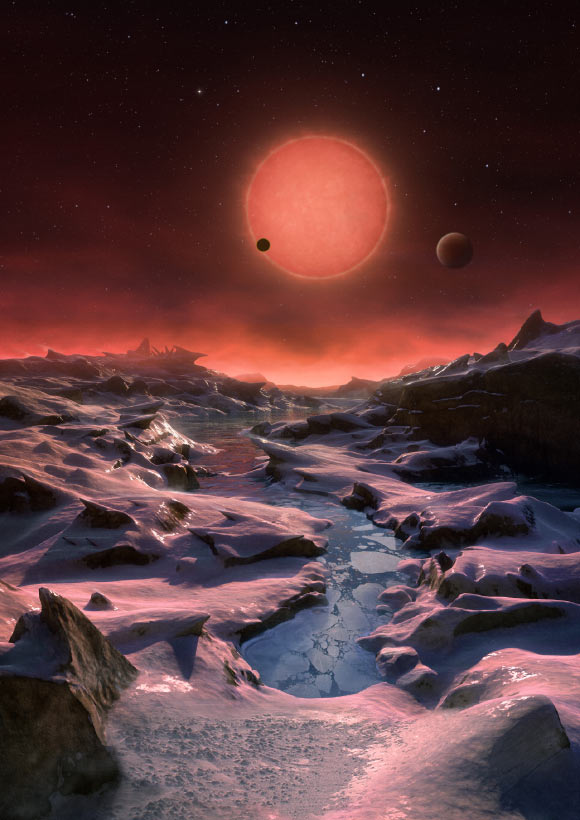
New Webb observations of two exoplanets TRAPPIST-1b and TRAPPIST-1c show blistering days and frozen nights, offering the first detailed climate maps of rocky exoplanets and dimming hopes for habitability. This artist’s impression shows an imagined view from the surface one of the three exoplanets orbiting the ultracool dwarf star TRAPPIST-1 38.8 light-years from Earth. These…

Read More

Fungi Found to Trigger Ice Formation

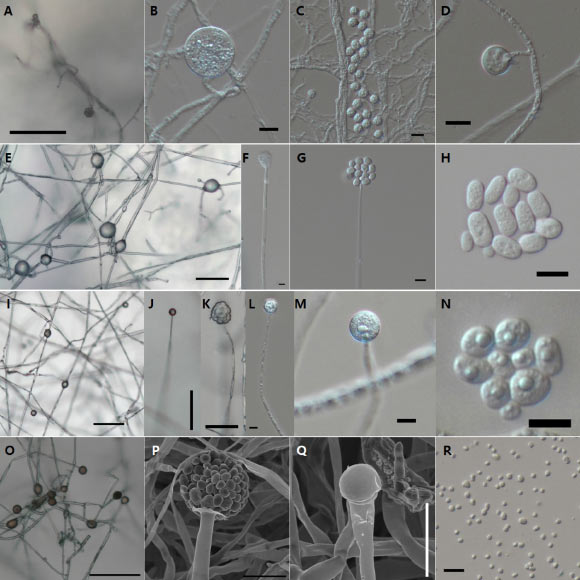
A team of researchers from the United States and Germany has identified fungal proteins that can freeze water at relatively warm subzero temperatures, raising the prospect of safer cloud seeding, improved climate models and new advances in food preservation and medicine. Mortierellomycetes and Umbelopsidomycetes fungi from freshwater ecosystems in Korea. Image credit: Goh et al.,…

Read More
Is the world heating up faster than we thought?

Is the world heating up faster than we thought?

For years, scientists have been keeping a wary eye on the massive system of currents that carry water and nutrients across the ocean from Greenland to Antarctica. The Atlantic Meridional Overturning Circulation plays a large part in stabilizing the global climate, but it appears to have been weakening in recent years as the Earth warms….

Read More