








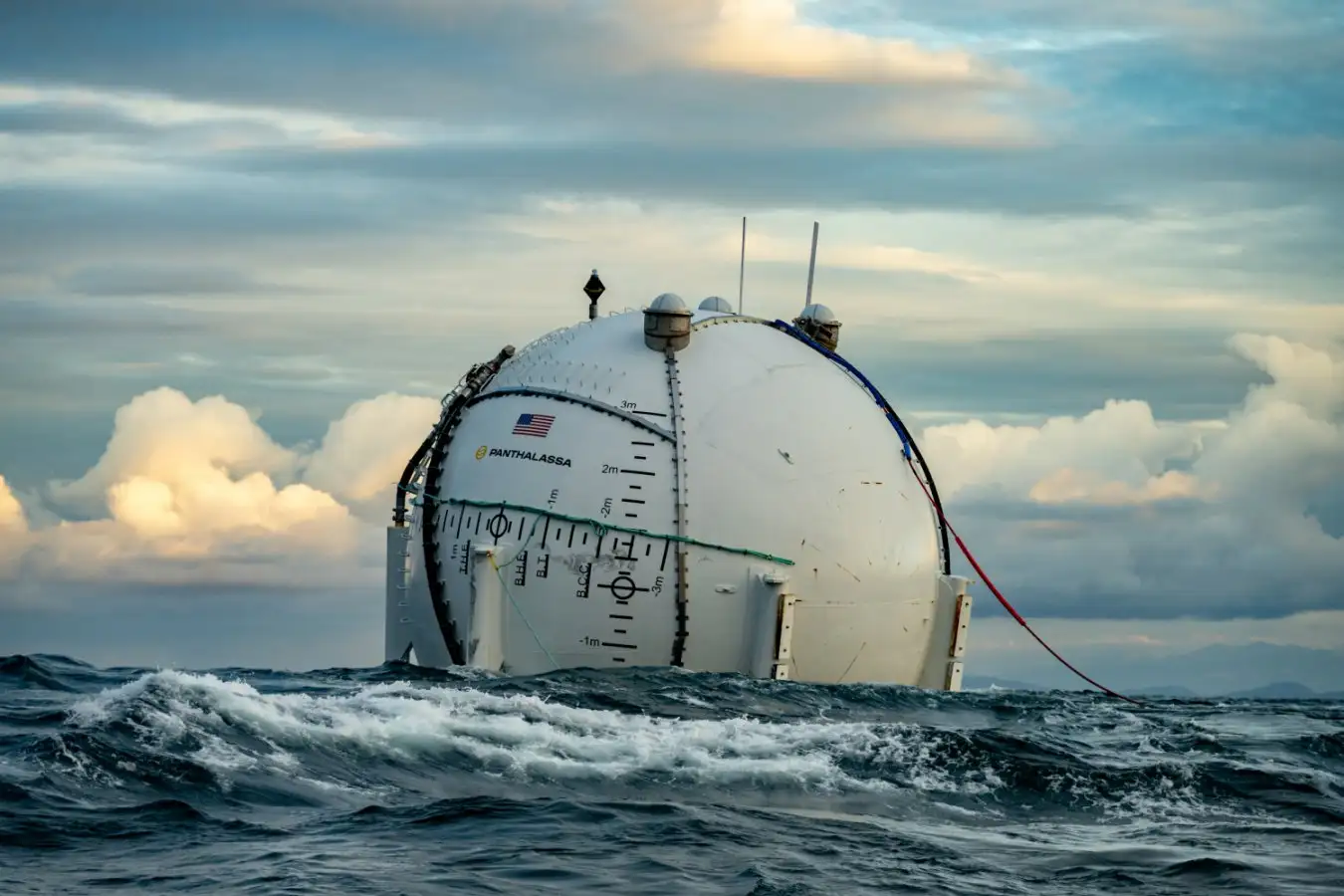
Can floating data centres meet AI’s huge energy demand?

A prototype of Panthalassa’s floating data centre Panthalassa The data centres powering the AI boom already use more electricity than some small countries, and the International Energy Agency projects that their demand could reach 945 terawatt-hours a year – more than Japan’s entire electricity consumption – by 2030. AI is so power-hungry that companies are exploring…


Read More

NHS England rushes to hide software over AI hacking fears

Software produced by the National Health Service is usually open to the public Mareks Perkons/Alamy NHS England is hurriedly withdrawing all the software it has written from public view because of the perceived risk of hacking from cutting-edge artificial intelligence. Security experts say the move is unnecessary and counterproductive. Software produced by the National Health…

Read More

Large Language Models Don’t Just Analyze People, They Judge Them

New research from the Hebrew University of Jerusalem shows that large language models (LLMs) form structured ‘trust’ assessments much like humans do, yet apply them more mechanically and, sometimes, with stronger, more consistent demographic bias. Large language models implement a coherent but rigid and sometimes biased model of interpersonal trust that only partially aligns with…

Read More

AI and the High Bandwidth Memory Shortage

While browsing our website a few weeks ago, I stumbled upon “How and When the Memory Chip Shortage Will End” by Senior Editor Samuel K. Moore. His analysis focuses on the current DRAM shortage caused by AI hyperscalers’ ravenous appetite for memory, a major constraint on the speed at which large language models run. Moore…

Read More