







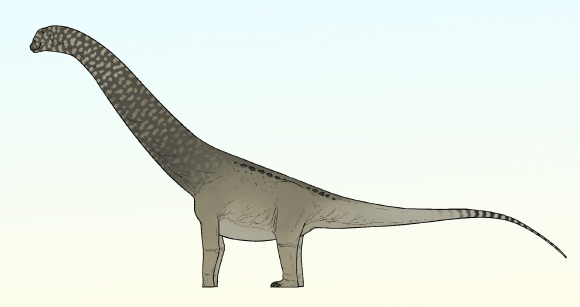
Small Titanosaur Species from Morocco Reveals Surprising South American Ties

A new genus and species of titanosaurian sauropod dinosaur related to South American forms has been described by a team of paleontologist led by University of Bath’s Dr. Nick Longrich. An artist’s reconstruction of Phosphatotitan khouribgaensis. Image credit: Connor Ashbridge. Phosphatotitan khouribgaensis lived in what is now Morocco during the ‘late, but not latest,’ Maastrichtian…

Read More

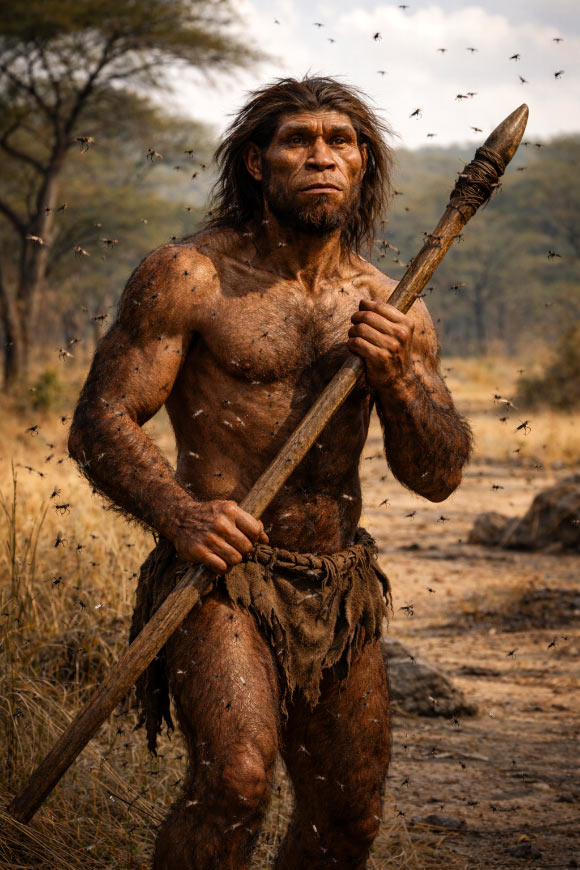
Study: Malaria Shaped Human Settlement Patterns for Over 74,000 Years

New research led by Max-Planck Institute of Geoanthropology and University of Cambridge scientists suggests malaria did more than sicken ancient populations, it steered where early humans could live, fragmenting groups and influencing the genetic map of our species. Colucci et al. explored whether Plasmodium falciparum-induced malaria drove habitat choice in human societies 74,000 to 5,000…

Read More

Researchers have spent decades breeding better potatoes for chips, and their work isn’t done

Better Made Snack Foods worker Tonya Tinsleydoes quality control checks on potatoes at a processing facility in Detroit, on Thursday, April 2, 2026 Mike Householder/AP David Douches, a Michigan State University professor who leads the school’s Potato Breeding and Genetics Program, holds a potato chip in his hand during a taste testing in East Lansing,…

Read More

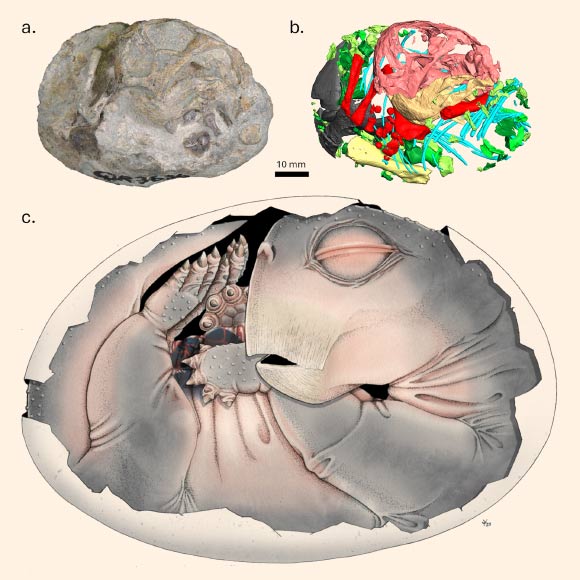
250-Million-Year-Old Embryonated Dicynodont Egg Found in South Africa

Using high-resolution CT and synchrotron scanning, paleontologists confirmed that the fossilized specimen from the Early Triassic of the South African Karoo Basin contains an unborn dicynodont Lystrosaurus, resolving a long-standing mystery about whether early mammal ancestors laid eggs. The researchers suggest the dicynodont eggs were likely soft-shelled, explaining why they have remained elusive for so…

Read More

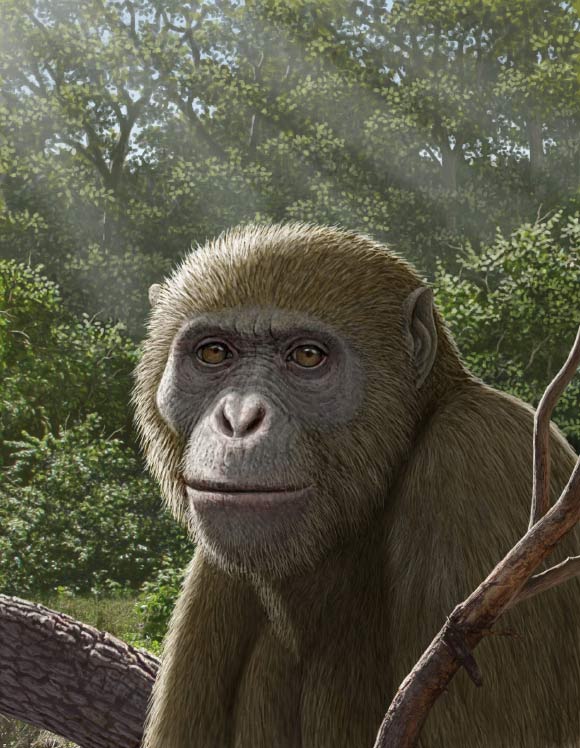
Early Miocene Fossil Fills Gap in Ape Family Tree

Paleontologists have identified a new genus and species of fossil ape that lived about 17-18 million years ago in northern Egypt. The discovery suggests that the ancestors of modern apes — and humans — may have emerged not in East Africa, but at a crossroads between Africa and Eurasia. Life reconstruction of Masripithecus moghraensis. Image…

Read More

New Fossil Crocodile from Ethiopia Lived alongside Australopithecus afarensis

Paleontologists analyzing fossils from Ethiopia have described a previously unknown crocodile species that shared the landscape with a hominid species called Australopithecus afarensis. Named Crocodylus lucivenator, the formidable predator may have stalked Australopithecus afarensis at watering holes in the wetlands and woodlands of the Pliocene. Crocodylus lucivenator overlapped with the famed Lucy and her hominin…

Read More