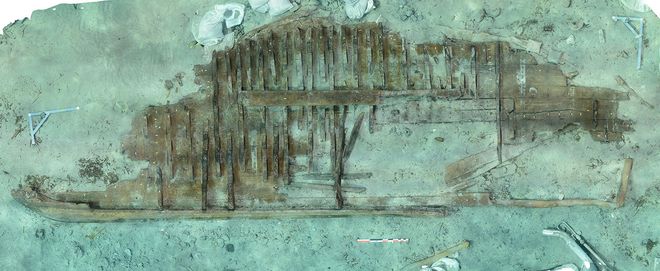








This 2,200-year-old Roman wreck hid a repair story that rewrites how ancient ships survived long voyages

Ever since humans have embarked on sea voyages, they needed to ensure vessels were waterproof, resistant to salty seawater, and could withstand microorganisms or sea-dwellers like worms. Until the mid-20th century, however, the study of non-wood materials used to build ships was overlooked. Even today, little work has been done on materials used for waterproofing….

Read More

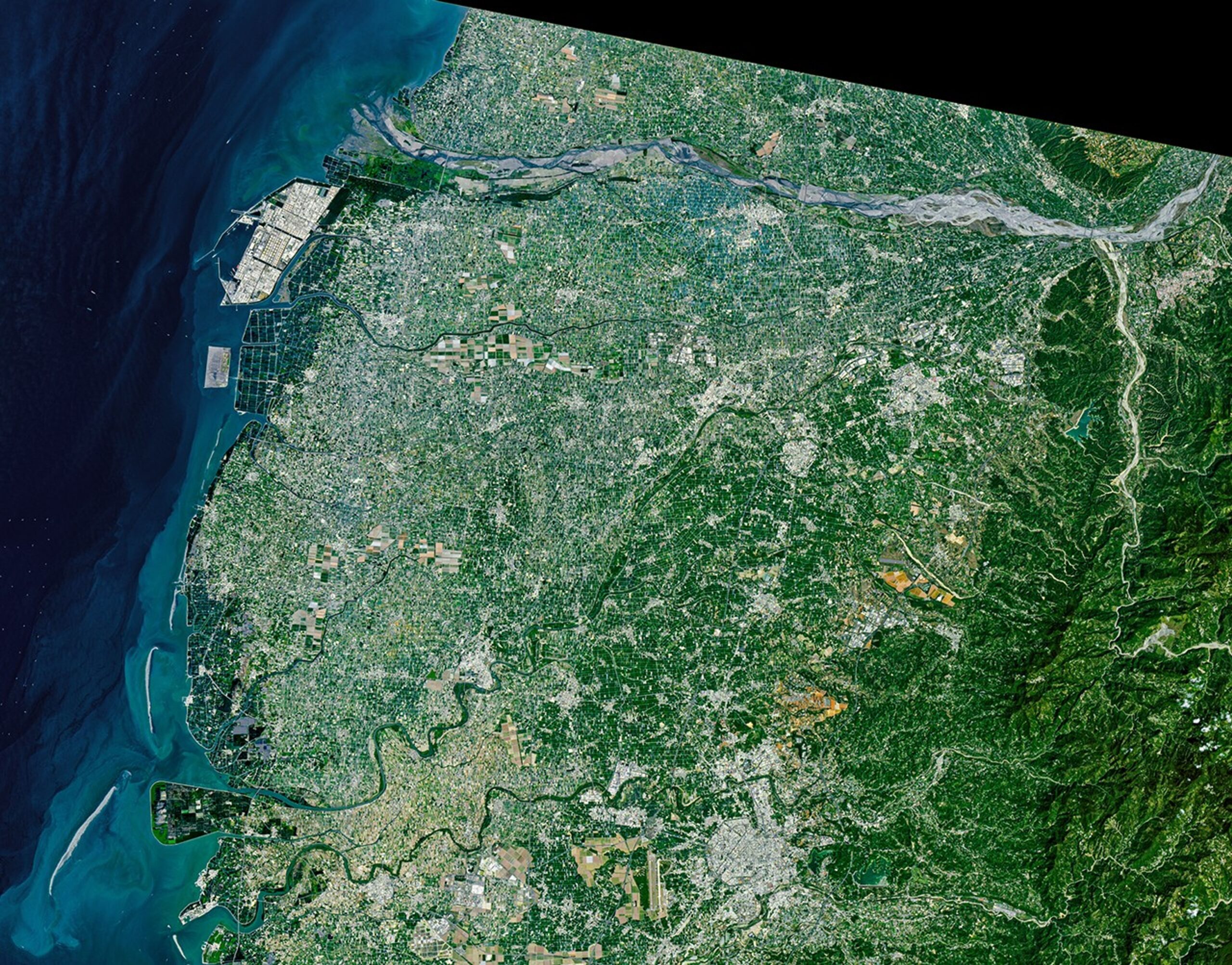
An Agricultural Mosaic in Taiwan

About 23 million people live in Taiwan, a Pacific island about the size of Maryland. Despite its size, the island produces a tremendous amount of agricultural goods per year—about $18 billion, according to Taiwan’s Ministry of Agriculture. The average size of a farm in Taiwan (less than 1 hectare) is much smaller than in the…

Read More

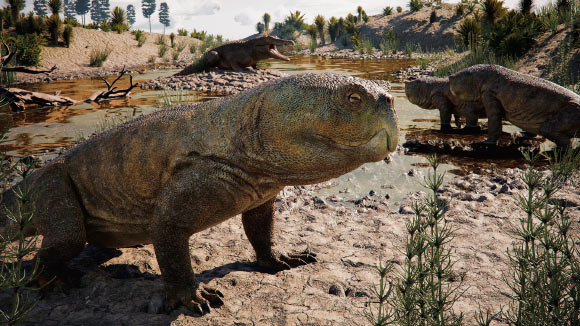
The EU’s cryosphere biodiversity blind spot | Science

The Decade of Action for Cryospheric Sciences (2025–2034) has begun (1), but international and regional guidelines for managing glacier ecosystems are lacking. In the European Union (EU), the only legislative tool that acknowledges glaciers as a protected habitat is the EU Habitats Directive (2), but even that does not fully take into account glacier biodiversity…

Read More
Largest-ever ban on toxic chemicals in EU hit by ‘extremely frustrating’ delays | Pollution

Largest-ever ban on toxic chemicals in EU hit by ‘extremely frustrating’ delays | Pollution

Harmful compounds in children’s nappies and toxic “forever chemicals” in everyday products are among 14 hazardous substance groups hit by lengthy delays to EU pollution controls, according to report findings described by scientists as “extremely frustrating”. The European Commission sought to push broad categories of dangerous substances off the market with a “restrictions roadmap” in…

Read More