







Welcome to Culture Clinic, MedPage Today‘s collaboration with Northwell Health to offer a healthcare professional’s take on the latest viral medical topics.
Adaptogens are having a moment, particularly in food and beverages, with celebrities like Bella Hadid dipping their toes into functional medicine entrepreneurship.
Hadid’s brand Kin Euphorics makes a line of “functional beverages” infused with adaptogens, nootropics, and botanicals that, according to the company’s website, positively affect consumers’ “bodily functions to achieve an elevated state of health, mood, or well-being.”
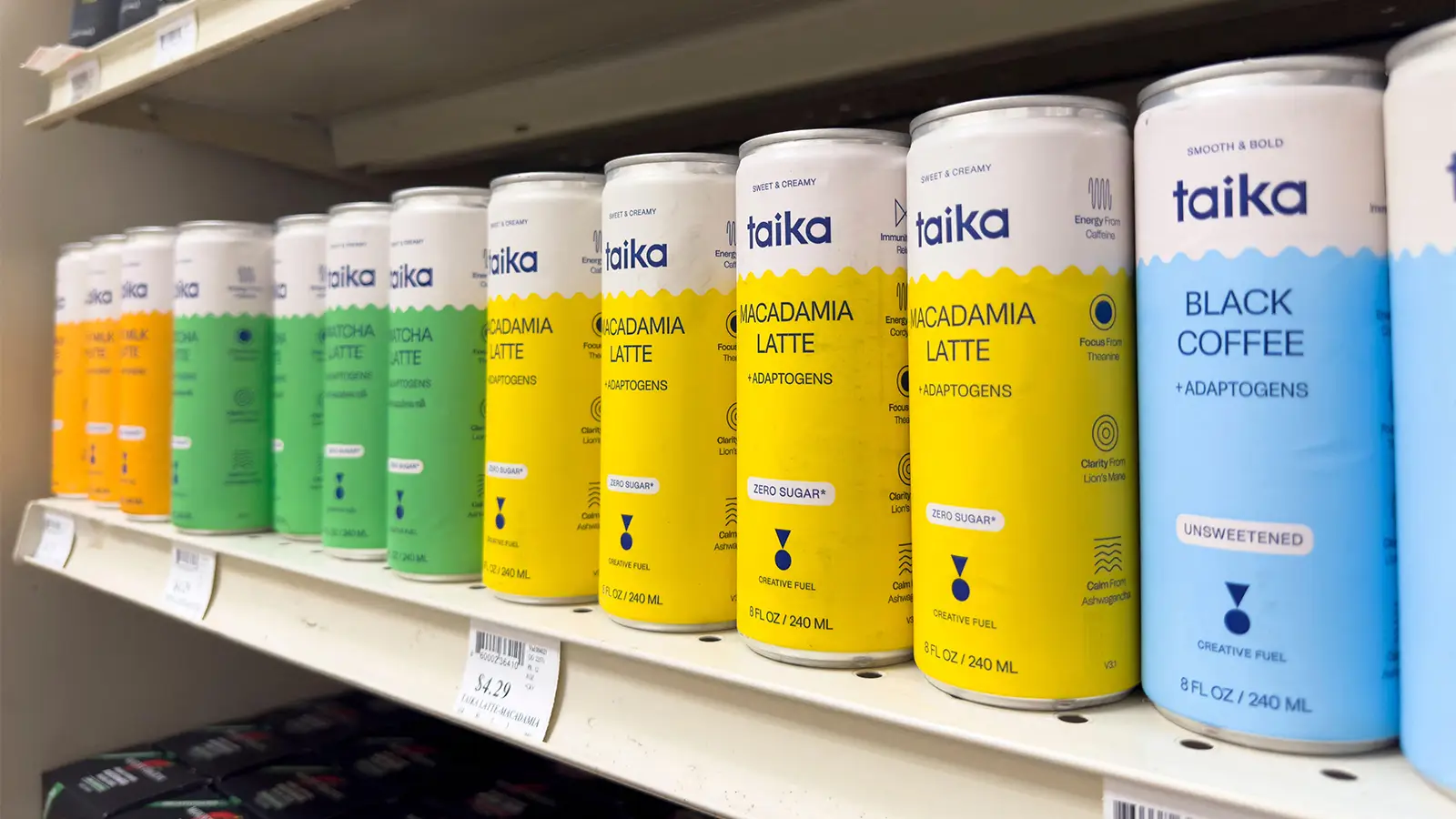
Often, adaptogen-infused drinks are marketed as alcohol or coffee alternatives with pleasant stress-relieving side effects, while snacks with adaptogens often contain other “superfoods” geared towards health-conscious consumers. But what exactly are adaptogens?
Dana Ellis Hunnes, PhD, MPH, RD, a senior dietitian at UCLA Health in California, told MedPage Today that adaptogens are “derived from herbs, leaves, and roots of specific plants or from fungi and may help our bodies to manage stress or more quickly restore the body’s natural balance or homeostasis after stressful situations or exposure to stressors.” These stressors may be physical, like burns or physical traumas; physiological, like work stress; or psychological, like emotional stress.
Adaptogens have been used in traditional medicine around the world for thousands of years, and internet searches for adaptogens have been steadily rising.
Hunnes said that scientific research on adaptogens is fairly sparse but slowly increasing, partly because most adaptogens are treated like supplements, not medicine, and thus don’t need to go through the rigorous process of FDA approval.
“For the most part, supplements simply have to show that they do not cause harm,” Hunnes said. “They do not have to prove that they are beneficial.”
Lauren Shawn, MD, an emergency medicine physician and medical toxicologist at Phelps Hospital in Sleepy Hollow, New York, said the three adaptogens with the most research behind them are ashwagandha, rhodiola, and ginseng. Ashwagandha (Withania somnifera), commonly used in Ayurvedic medicine, is derived from an evergreen shrub and is supposed to reduce anxiety and depression. Rhodiola is taken to alleviate fatigue, depression, and pain, and ginseng root is used to combat fatigue.
Some benefits have been found — but so have potential harms. For instance, ashwagandha can lower cortisol levels, but it’s also been associated with increased risk of liver injury and increased testosterone levels.
Even so, research on these adaptogens is largely limited by small sample sizes and short timeframes.
“We don’t really have data on long-term use,” Shawn said.
Hunnes added that there’s little research on interactions between adaptogens and medications. Anyone taking antidepressants and other prescriptions should first have a conversation with their doctor about any possible interactions. In general, Hunnes would recommend that pregnant or lactating people don’t dabble in adaptogens. Same goes for people with organ transplants or immune deficiency.
Hunnes said that doctors should familiarize themselves with popular adaptogens, their purported benefits, and any potential drug interactions. She also recommended asking patients if they’re taking any herbal supplements or other natural remedies — and why.
Shawn encouraged clinicians to approach this conversation with curiosity rather than judgement and to explain why you’re asking about it. With the rise of “Make America Healthy Again” ideology and skepticism about the pharmaceutical industry, Shawn said more people are seeking out so-called natural ways of managing stress. She advises patients to stay skeptical of the powerful supplement industry and wary of any product that makes sweeping claims. Now that adaptogens are in more food and drinks, many patients may not even consider them supplements and may not think to mention it to their doctor.
“A lot of people still have this mentality that if something is coming from a plant, it must be safer in some way,” Shawn said. “But, you know, there are poisonous plants.”
For people occasionally having a drink infused with adaptogens, there’s likely no harm. But for those who treat adaptogens as part of their daily health regimen, Shawn said “you really have to treat it more like this is potentially like a medication.”
Source: Read Full Article