


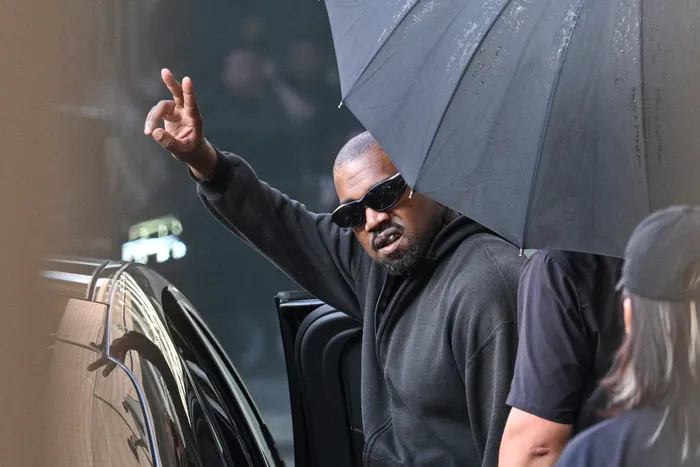
Ye.
Photo: Hector Retamal/AFP via Getty Images
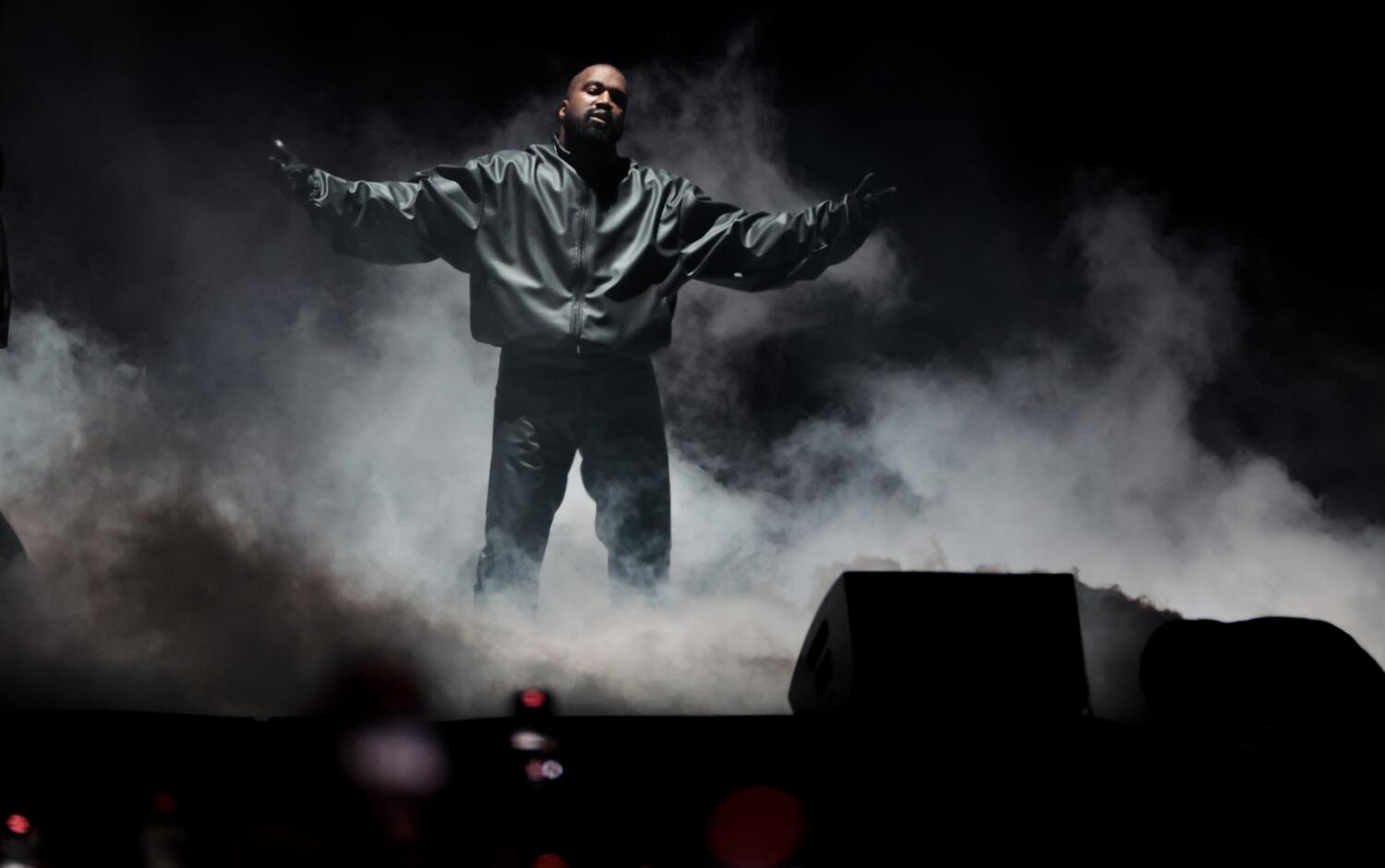
On April 3, Kanye West, a.k.a. Ye, performed a concert in Los Angeles at SoFi Stadium and brought out celebrity supporters including Travis Scott and Lauryn Hill, along with his daughter North West. The sold-out show was a monument to the continued popularity of the controversial Ye. But in the days since, his road to redemption has gotten harder to navigate with past antisemitic remarks continuing to have consequences. On April 7, the U.K.’s Wireless Festival, which he was scheduled to headline, was canceled entirely. He went from sold-out stadiums in the U.S. to nothing across the pond.
How did it happen? Below, find a guide to the crossed wires at Wireless.
Wireless could not continue on because the British government blocked Ye from entering the country. “The Home Office has withdrawn Ye’s ETA, denying him entry into the United Kingdom,” Wireless said in a statement. “As a result, Wireless Festival is cancelled and refunds will be issued to all ticket holders.” The Home Office told the BBC that West was blocked from entering the country because his presence wouldn’t be “conducive to the public good.”
Ye was not allowed to enter Britain owing to past antisemitic comments. Prime Minister Keir Starmer told The Sun that it was “deeply concerning Kanye West has been booked to perform at Wireless despite his previous antisemitic remarks and celebration of Nazism.” Wireless did say that it had consulted “multiple stakeholders” over Ye’s involvement, adding that “antisemitism in all its forms is abhorrent.” Campaign Against Antisemitism was unconvinced. “Apparently ‘no concerns were highlighted’ about Kanye West at the time of the booking,” a spokesperson told the BBC. “Who were they consulting? A wall? That’s what happens when the only stakeholders you speak to are those who stand to make a profit.”
Even before Ye was barred from entering the country, multiple sponsors mad pulled out of the London-based Wireless Festival. Within hours of Starmer’s statement on April 4, Pepsi withdrew its financial support of the festival, per the New York Times. The event had been advertised as “PEPSI PRESENTS WIRELESS.”
Following Pepsi’s lead, multiple other brands have since pulled out. Diageo, the company that owns Johnnie Walker and Captain Morgan, pulled its sponsorship on Sunday. The next day, Rockstar withdrew its support, per Variety, and PayPal confirmed to the BBC that it will no longer allow its branding to be used. The sponsorship page on the festival’s website now leads to a 404 error message.
Ye’s history with antisemitism is well documented. He posted that he was going “death con 3 ON JEWISH PEOPLE” on Twitter on October 8, 2022. In March 2025, he did an interview with DJ Akademiks while wearing a black Ku Klux Klan robe and a bejeweled swastika necklace. He released a song called “Heil Hitler” in May 2025 — less than a year ago.
In 2026, Ye has been attempting grand gestures to return to respectability. He took out an ad to apologize to Jewish people. “I am not a Nazi or an antisemite,” he wrote in a full page ad in The Wall Street Journal. “I love Jewish people.” He told Vanity Fair that his comments were due to a bipolar episode. “When you’re manic, you really don’t think that you’re sick,” he said. “You think that everyone else is deeply overreacting. You feel like you’re seeing the world so much more clearly on things, when in reality you’re losing your grip entirely.” He then appeared in court due to a lawsuit from his former contractor Tony Saxon and could barely stay awake long enough to testify.
Wireless was not the only performance Ye had scheduled, and he’s got a monster slate planned this summer. That includes performances in Delhi, Istanbul, and the Netherlands. He’s scheduled to perform at the Hellwatt Festival in Italy this July, where Scott is the other headliner. Then he’s heading to Madrid and Almancil, Portugal. The live shows follow the release of Ye’s album Bully, which included collaborations with Scott, CeeLo Green, and Peso Pluma, and his 2025 documentary In Whose Name?, which chronicled the artist’s struggle with bipolar disorder. But he has no documented intent to come back to the U.K.
Source: Read Full Article