



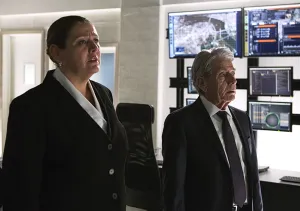




I love the Apple TV adaptation of Foundation. These are some of my favorite books of all time, and the actual show is a top-tier prestige sci-fi epic that puts 90% of sci-fi movies to shame. However, it also has a two-year gap between seasons. It then only offers 10 episodes per season.
Compare that to my beloved Star Trek: The Next Generation, which offered a new season every year for seven years. The shortest season has 22 episodes, but the rest have 26 episodes each. So Foundation gave us 30 episodes over six years so far, but TNG gave us 178 episodes over seven years. What happened?
The old TV model was built for quantity, not quality
There were slots to fill!
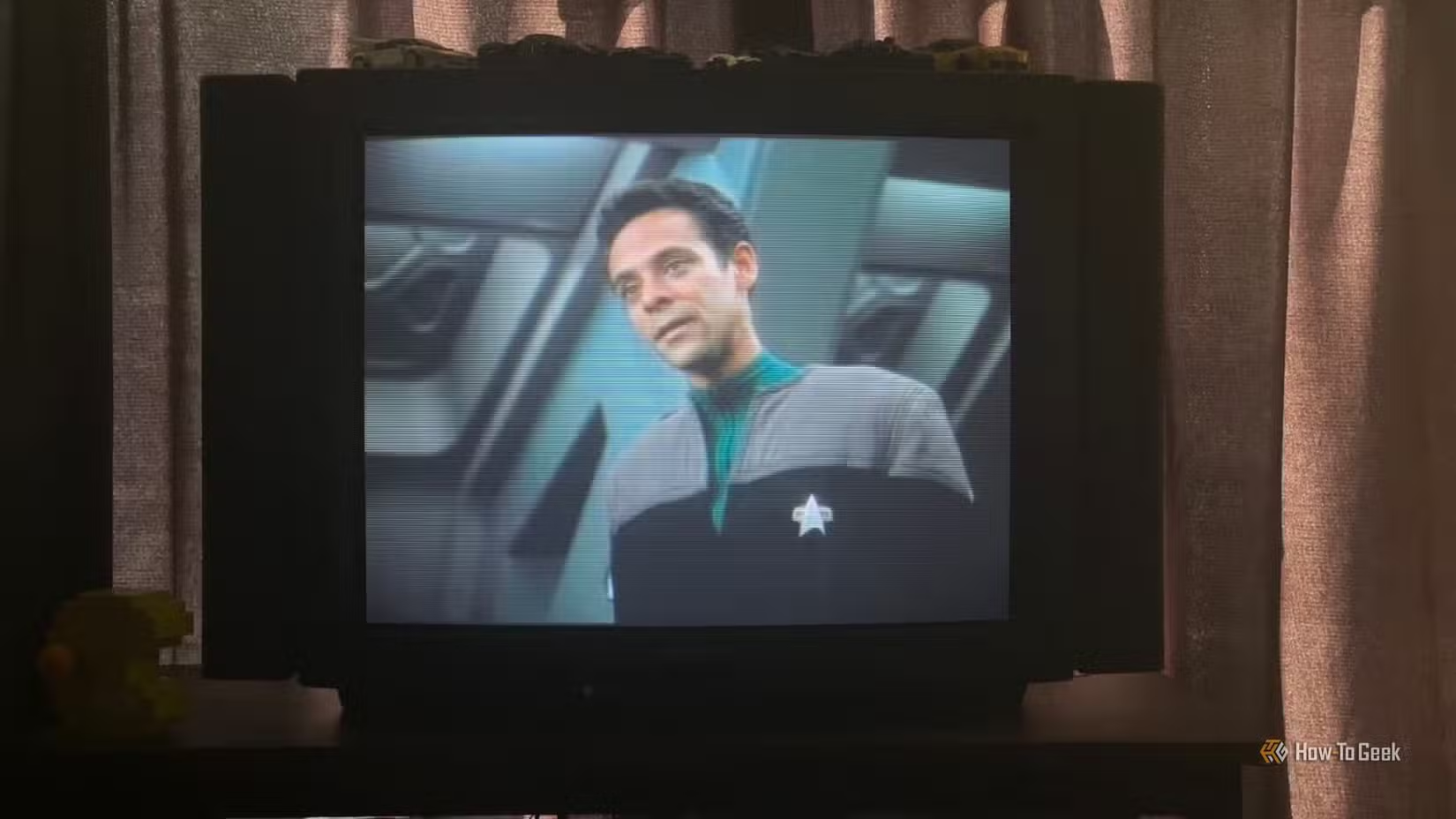
Making shows for broadcast TV is a completely different job than making one for streaming. Modern TV shows are more like premium miniseries from the broadcast TV days. A normal TV series was meant to run for half a year. That means one weekly episode for six months.
That’s 26 episodes a year! Now, although many of these shows were much shorter than the hour-long ad-free episodes we get today, that’s still a huge number of episodes.
These shows were also written mainly to offer a plot of the week, so that anyone who just turned on the TV and happened upon the show halfway through its run would still have a good time and know what was going on. We didn’t have the option to go back and start at episode one.
If you removed all the fluff and filler and just tried to tell a coherent story focused on the main overarching plot, then these shows would also compress down to a much smaller size. I’m not saying that’s always better. After all, we have got some brilliant episodes and arcs with this production approach, but the fact is that, with streaming and on-demand viewing, we simply don’t need this model anymore.
Modern production values require time, and that’s a feature
Good output takes time
The gap between big-budget movies and prestige TV shows is smaller than ever. Budgets for shows like Game of Thrones are comparable to the best that Hollywood can offer. Many A-list movie actors have now become “TV” actors making content for streaming services. While cheap TV shows with low budgets still exist (and thank goodness they do), the high-caliber shows that are criticized for long season gaps and low episode counts are just as hard and expensive to make as big-budget movies.
Once you understand that, then the multi-year gaps not only make sense, but it’s frankly impressive that they can make what amounts to a 10-hour blockbuster movie in just two years.
Shorter seasons mean tighter, more intentional storytelling
Cutting out the fat
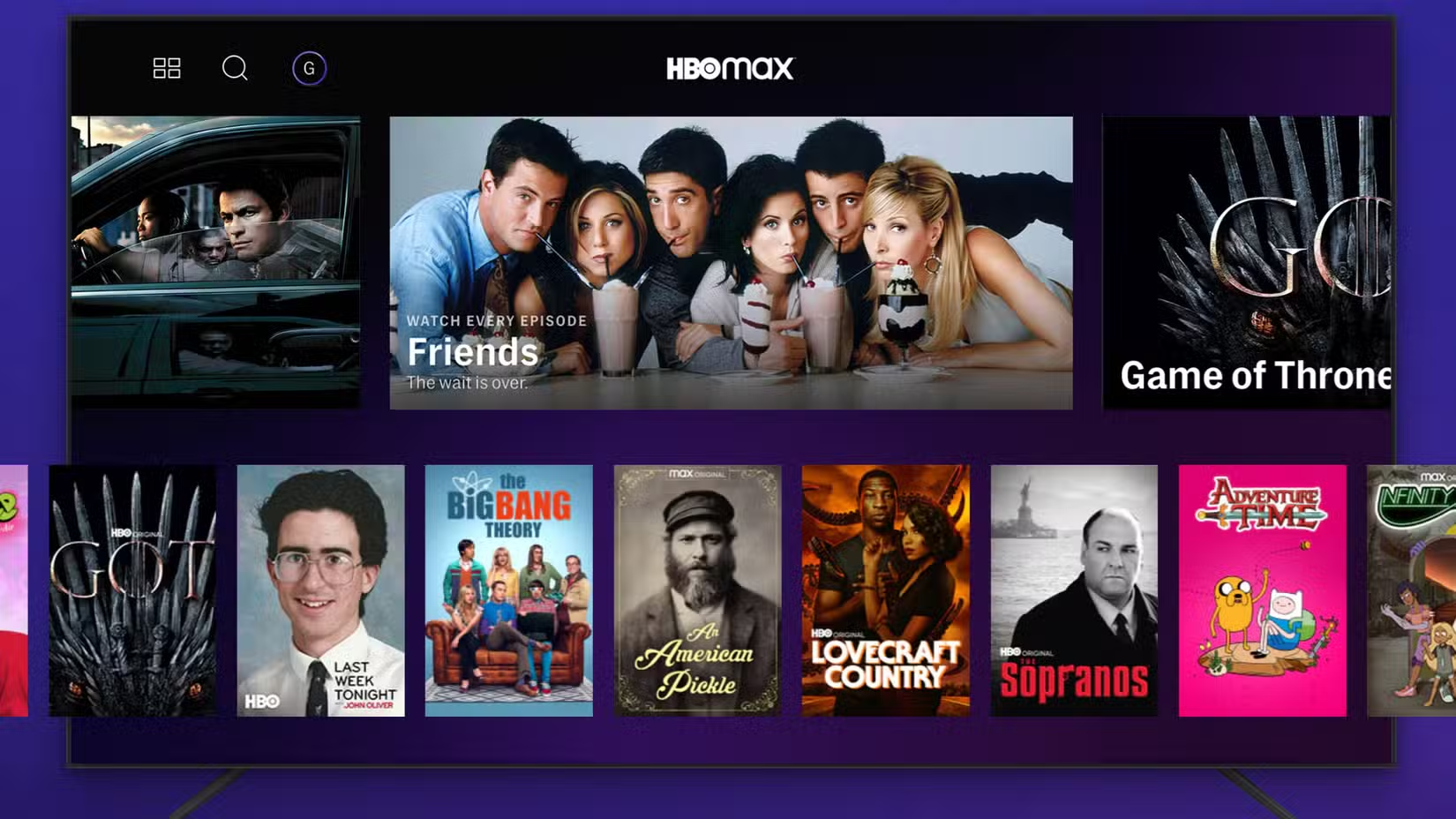
I love traditional TV shows from the 1980s, 1990s, and beyond, but you have to admit that a lot of the time these shows just meander. If there was even an overarching plot, it might be advanced just a little in each episode as the B-plot, or perhaps even less than that. As I said, this is down to needing each episode to be self-contained.
Some shows worked around it brilliantly. Babylon 5 and Stargate: SG-1 are good examples of shows that weaved a great overarching tale while giving us episodic adventures, but the writing was still loose. In fact, with most TV shows, the writing was often up to the last minute, and that wasn’t always a recipe for tight storytelling.
With a 10-episode show with a 2-year production cycle, you can write and polish things to a much greater degree. In fact, you can have a sharp picture of future seasons as well, allowing for a final product, when the last episode wraps, that is coherent and punchy.
The “content drought” is a myth in the streaming era
Drowning in options
This brings me to my main irritation with the complaints about short modern TV series: are you out of things to watch?
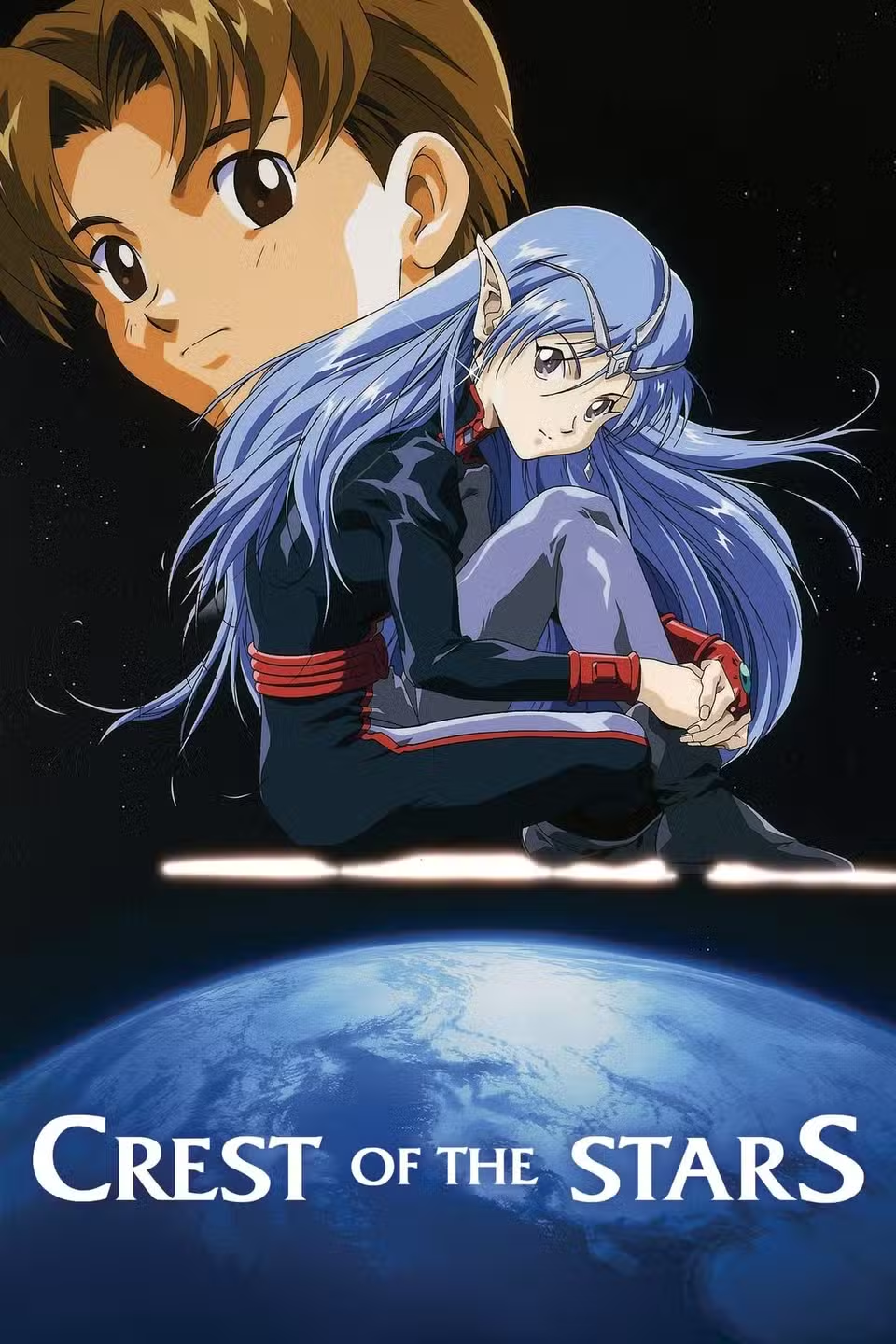
I know as much as anyone how much it sucks to wait for a new season of a show you love. For example, I have now been waiting 21 years for the next season of one of my favorite anime of all time: Crest of the Stars. That should give you some perspective!
This is the age of unprecedented access to TV shows. I missed so many episodes of those broadcast shows when they were airing that this has been the perfect time to watch them properly in their entirety, and even if older shows don’t interest you, there’s an endless stream of modern shows coming out all the time.
You could watch TV nonstop every night for the whole two years while you wait for the next season of the show you’re waiting for and still not exhaust a fraction of the amazing TV that’s out there. Even if you just limit yourself to that one genre.
Personally, I’m grateful that these modern shows exist in the form that they do. Such shows just weren’t viable before, and certainly something like Foundation could only have been adapted now, rather than under the broadcast TV model. Although Sturgeon’s Law still applies, I’d argue that we are getting better TV shows today than ever before. So maybe learn a little patience.
Source: Read Full Article