We’ve all likely been told one time or another to take off our hat at the dinner table or when we go inside a certain building. But for most of us, hats are just simple accessories, which is very different from how hats were seen and used in early modern England.
New research, published in The Historical Journal, shows that between the 1600s and 1700s, hats weren’t just about style, but were tools of power. From courtroom defiance to highway robberies, the way people wore their hats told a story about shifting cultural norms. At times, something as small as keeping your hat on could challenge authority — or cost you your reputation.
“What you wear says something about how you see yourself and the world. And the hat is so eloquent because it’s so versatile — you can position it in so many ways, take it off, wave it around, and attach messages to it,” said Bernard Capp, emeritus professor at the University of Warwick, in a press release.
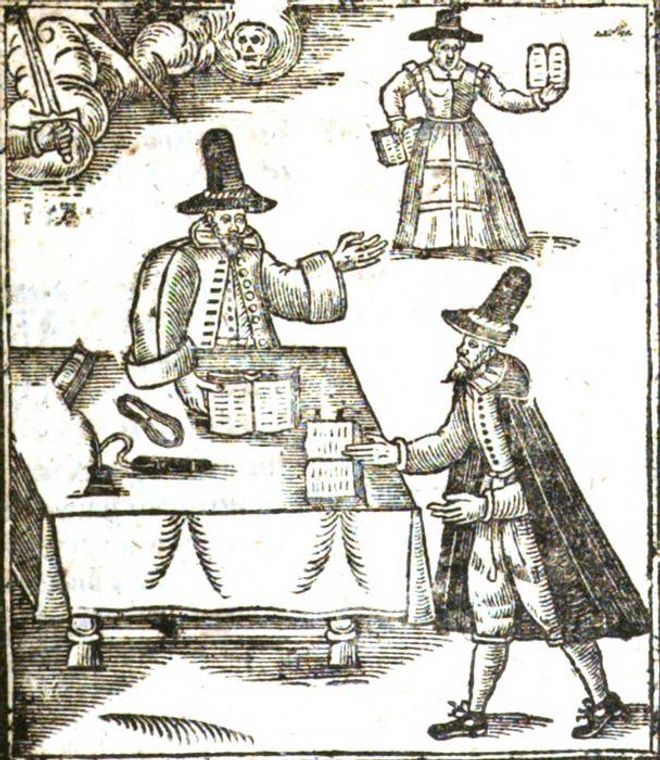
A 1649 woodcut depicts Levellers wearing their hats.
(Image Credit: Bodleian Libraries, University of Oxford/CC BY)
The Hat as Power and Protest in the 1600s
In the early 17th century, strict social etiquette governed everyday interactions. Removing one’s hat — known as “doffing” — was expected whenever a person encountered someone of higher rank. This gesture reinforced social hierarchy and signaled obedience and respect.
But that meaning began to shift dramatically during the political upheaval of the English Civil Wars.
“Long before the civil wars, men and boys were expected to doff their hats, indoors or out, whenever they met a superior. That was about respecting your place in society, but in the revolutionary 1640s and 1650s, hat-honor became a real gesture of defiance in the political sphere,” explained Capp.
During this time, refusal to remove a hat became a subtle but powerful act of resistance. Even high-profile figures embraced the gesture, with Charles I famously keeping his hat on during his trial in 1649. Others followed suit, turning everyday etiquette into a form of political messaging.
Even within private homes, hats held surprising authority. In one example found by the researchers, a father punished his teenage son by confiscating his hats, effectively trapping him indoors due to the shame associated with going outside bareheaded.
By the 1700s, hats remained deeply embedded in daily life, but their meaning had evolved. Rather than primarily signaling political allegiance, they became closely tied to physical well-being and social respectability.
Researchers uncovered accounts of robbery victims who prioritized protecting their hats over money and other valuables.
“The behavior of robber and robbed might seem bizarre today but it’s got a lot to do with health concerns,” explained Capp. “Men wearing periwigs often had their head shaved, so they were more susceptible to the cold. And eighteenth-century medical guides were obsessed with keeping the head warm and warned that going outside bareheaded risked illness.”
At the same time, going bareheaded also carried strong social stigma. Court records found by the research team revealed that appearing without a hat in public could signal poverty, instability, or even madness.
Why Hat Culture Changed
Over time, the strict rules surrounding hats began to loosen. Researchers suggest that no single factor explains the shift, but rather a combination of social and cultural changes.
“The rising popularity of wigs made hat-wearing itself less ubiquitous, and repeatedly doffing one’s hat to acquaintances in increasingly busy urban streets may have become too irritating. Conventions gradually change over generations and are usually multicausal,” concluded Capp.
Overall, the “hat wars” of early modern England reveal that even the smallest everyday objects can carry powerful social meaning.
Our writers at Discovermagazine.com use peer-reviewed studies and high-quality sources for our articles, and our editors review for scientific accuracy and editorial standards. Review the sources used below for this article: