








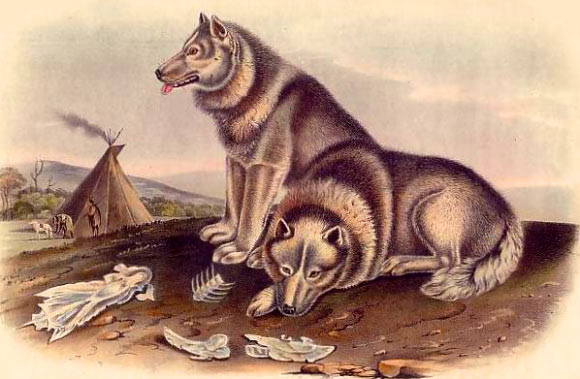
Ancient DNA Study Rewrites Origins of Europe’s First Dogs

Scientists have extracted and analyzed DNA from 216 canid remains, including 181 from Paleolithic and Mesolithic Europe. The oldest data that they recovered are from a 14,200-year-old dog from the Kesslerloch site in Switzerland. Their results suggest that domesticated dogs (Canis lupus familiaris) predate farming and share deep ancestry with wolves (Canis lupus) from Eurasia,…
Read More

Fungi Found to Trigger Ice Formation

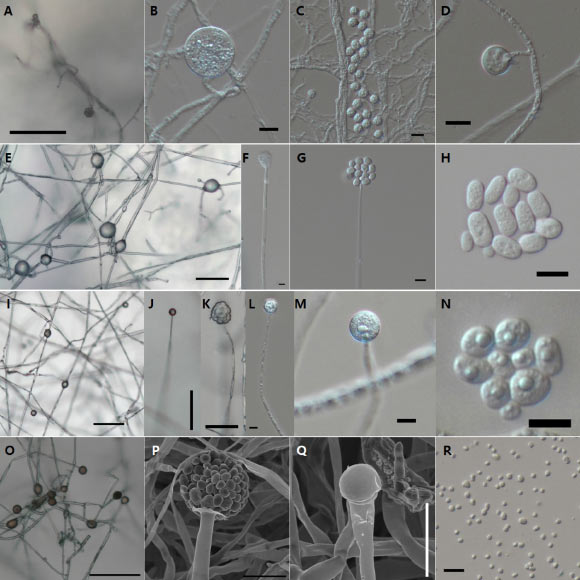
A team of researchers from the United States and Germany has identified fungal proteins that can freeze water at relatively warm subzero temperatures, raising the prospect of safer cloud seeding, improved climate models and new advances in food preservation and medicine. Mortierellomycetes and Umbelopsidomycetes fungi from freshwater ecosystems in Korea. Image credit: Goh et al.,…

Read More

Ornithologists Identify Cryptic New Bird Species in Japan

Genetic and acoustic evidence show that the rare Ijima’s leaf warbler (Phylloscopus ijimae) is actually two distinct bird species, including the newly-identified Tokara leaf warbler — both with small, vulnerable populations. The Tokara leaf warbler (Phylloscopus tokaraensis) on Nakanoshima, the Tokara Islands, in June 2017. Image credit: Per Alström / Uppsala University. The Ijima’s leaf…

Read More