







Photo: Jeff Kravitz/FilmMagic
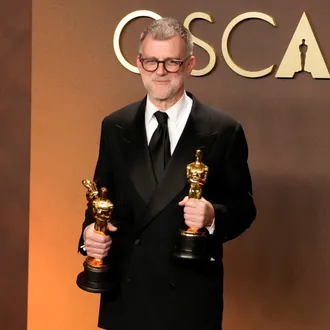
Paul Thomas Anderson has been loathe to explain several aspects of One Battle After Another during the months he spent on the campaign trail for the film, preferring, not unreasonably, to let the work speak for itself. “I’m not a politician; but I’m a filmmaker, and try to do it through the work,” he said at the BAFTAs. With a gold statue in hand at the Oscars, however, Anderson was a little more overt than he’d been at awards shows past. He acknowledged when he won for Best Adapted Screenplay that he wrote this film for his kids, saying this was a movie about where his generation left the state of the world for his children’s generation.
While he’s been reticent to liken the events of his movie with the real-world crises happening both Stateside and abroad, Anderson did take a moment during his post-win press conference to address ongoing criticisms of the Black women, specifically Perfidia (Teyana Taylor), in One Battle After Another. “I know a little bit about that critique,” he began, with a clear-mindedness we could all afford during a long awards season. “It’s complicated,” he explained. “We always knew we were trying to make something complicated. We knew that we weren’t making something that was heroic, and we needed to lean into that. We needed to own the fact that this woman was suffering, not only from postpartum depression, but she had issues of her own that she hadn’t really reconciled.”
He went on to say that it can be very dangerous when someone who starts out wanting to save the world becomes selfish. “The point of it is to set up the story of Willa, the next generation,” he added. Or, in more blunt terms: Perfidia walked so Willa could run. For the first time in a minute, PTA doesn’t look too bothered to be explaining himself about this movie, perhaps because he’s finally got the hardware to back up a worthy film that dares to upset or even confound its audience.
Source: Read Full Article