










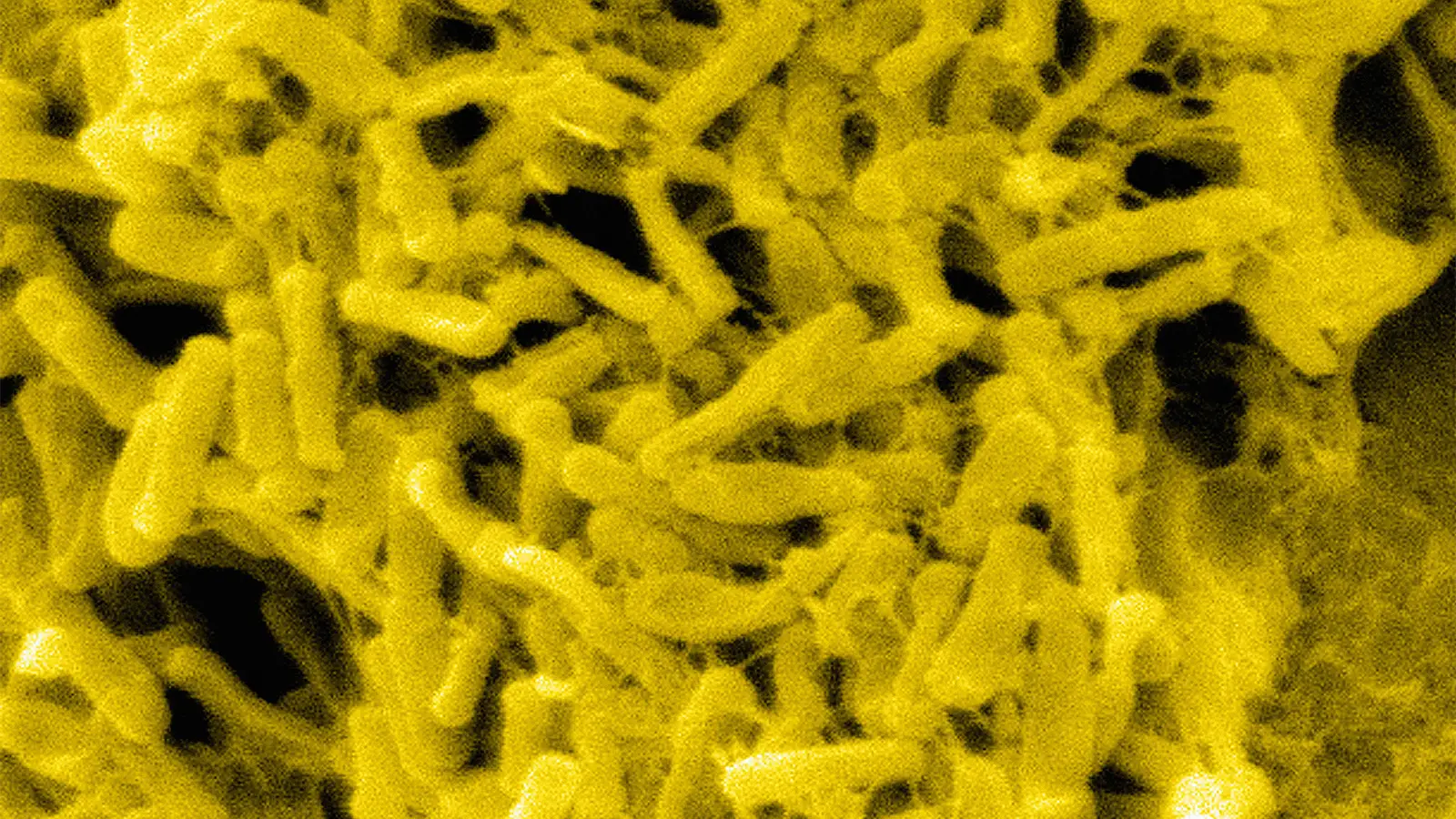
- Commonly prescribed antibiotics and non-antibiotic drugs were associated with significantly increased odds of Clostridioides difficile infection in a case-control study.
- Non-antibiotic drugs with the greatest observed risks for C. difficile infection were antidiarrheals, analgesics, and corticosteroids.
- Considering how frequently these medications are used, prudent prescribing decisions are needed, researchers said.
While antibiotics and gastric acid-suppressing drugs are known to be risk factors for Clostridioides difficile infection, other commonly prescribed non-antibiotic drugs were found to be culprits, according to a Swedish population-based case-control study.
Both antibiotics and non-antibiotic drugs were associated with significantly increased odds of C. difficile infections within 30 days of use, reported Nele Brusselaers, MD, PhD, of the Karolinska Institutet in Stockholm, and colleagues in Gut, including:
- Lincosamides (adjusted OR 31.4, 95% CI 27.9-35.3)
- Combinations of penicillins (aOR 19.8, 95% CI 15.9-24.5)
- Antidiarrheals (aOR 7.3, 95% CI 6.8-7.8)
- Analgesics (aOR 2.8, 95% CI 2.7-3.0)
- Corticosteroids (aOR 2.4, 95% CI 2.3-2.5)
- Proton pump inhibitors (PPIs; aOR 1.8, 95% CI 1.7-1.8)
- Histamine H2-receptor antagonists (aOR 1.4, 95% CI 1.2-1.8)
Brusselaers and colleagues noted that the largest increase in odds of C. difficile infection among non-antibiotics was observed for antidiarrheals — an effect that could have been due to “reverse causality in patients receiving treatment for CDI prior to diagnosis.” However, they added that their sensitivity analyses suggested that the effect may decrease with less recent exposure, “as is the case for antibiotics.”
Odds ratios were also high for combinations of sulfonamides and trimethoprim, and other beta-lactam antibacterials. However, there was no association with tetracyclines.
There were decreased risks of C. difficile infections with lipid modifiers (aOR 0.8, 95% CI 0.8-0.8) and aspirin (aOR 0.8, 95% CI 0.7-0.8).
“This study confirms the high impact of antibiotics on the development of CDI [C. difficile infections] and presents new evidence on the elevated CDI risk shown for several non-antibiotic drugs,” Brusselaers and team wrote. “Given their high prevalence and strong associations with CDI, our findings underscore the importance of prudent prescribing and regular medication review of many drugs including analgesics, corticosteroids, PPIs, and most antibiotic classes.”
In explaining the rationale for the study, the study authors pointed out that the microbiome plays a central role in C. difficile infections, and that large drug-microbiome interaction studies have indicated that more drugs impact the gut microbiome than previously believed.
While research has mainly focused on gastric acid suppressant drugs, proton pump inhibitors, and histamine H2-receptor antagonists, “the impact of other suspected microbiome-modulating drugs on CDI risk remains unknown,” they wrote.
Here, Brusselaers and colleagues used data from the Swedish National Patient registry for all individuals with a C. difficile infection episode from January 2006 through December 2019. Cases were individually matched to 10 controls (defined as not having had a C. difficile infection episode since 1997, and with at least one dispensed drug prescription between 2006 and 2019), with the final cohort consisting of 42,921 cases (mean age 71, 54.2% women) and 355,159 controls (mean age 68, 55% women).
There was a slight difference in distribution of age and sex between cases and controls due to variations in the number of controls per case.
Brusselaers and colleagues noted that the case population was less healthy than the control population, with higher Charlson Comorbidity Index (CCI) scores among cases. Most infections were hospital-acquired (91.6%).
“Prescription drug use was higher for cases than controls for every drug and was reflected in the CCI across both populations, which suggests poorer health among individuals with CDI compared with the controls, despite matching on age,” the authors noted. “While we controlled for CCI, this does not entirely control for confounding because the CCI is restricted to severe chronic illnesses. The observed risks of CDI could reflect general frailty or the health condition rather than the effect of the drug.”
They added that they also expected residual confounding because cases and controls were not matched based on hospitalization status, drug use years before, polypharmacy, smoking, genetics, or diet.
Source: Read Full Article