




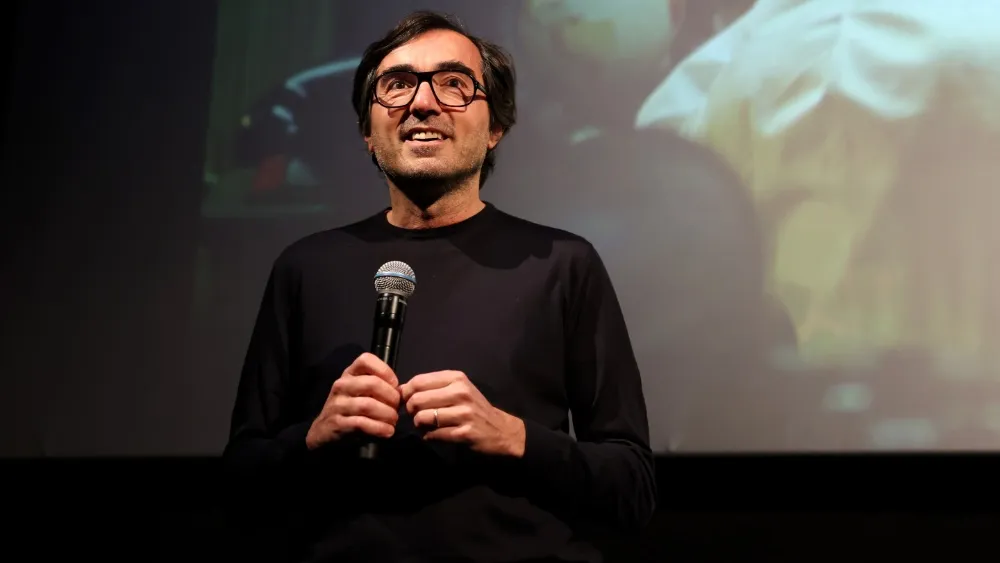
London-headquartered arthouse streamer Mubi was hit hard by a Palestine-related PR storm last year, its chief executive, Efe Cakarel, has told the Wall Street Journal. However, this year is looking brighter, he added, with a record number of subscribers, a fistful of Oscar-nominated films and half a dozen films selected for Cannes.
At the end of last year, Mubi had nearly 1.2 million subscribers, fewer than at the start of 2025. The company’s internal goal had been to reach 2 million subscribers, which would have necessitated adding 600,000 in the second half of the year. It shed more than 200,000 instead. The company lost $7.3 million on some $200 million of revenue, according to the Wall Street Journal, citing people familiar with the situation.
This downward tilt followed a stellar period of growth kick-started in the pandemic-era lockdown when subscriptions surged. Mubi expanded to new countries, released more films in theaters, and jettisoned its policy of streaming titles for just 30 days.
In 2024, Mubi acquired “The Substance” for $12 million, which grossed $77 million, earned Demi Moore a Golden Globe, and was nominated for the best picture Oscar. This helped drive Mubi’s subscriptions to a then-record 1.44 million in spring 2025.
But around that time, Sequoia Capital came on board as an investor, which proved to be a controversial move for Mubi’s left-leaning subscribers, filmmakers and employees. Their beef with Sequoia was that it also backed startups that work with Israel’s military, which at a time when some critics alleged a genocide was taking place in Gaza was, for some, an unacceptable association.
This also coincided with Mubi’s acquisition for $24 million of Lynne Ramsay’s “Die My Love,” starring Jennifer Lawrence and Robert Pattinson. The film flopped at the box office, grossing a paltry $12 million worldwide, although Mubi says it was popular on the streaming platform. In December, Mubi said it had downsized its staff by a dozen roles, and overhauled its content leadership. The company employed some 400 staff across 14 international and U.S. offices at the time.
In an interview published Friday, Cakarel told the Wall Street Journal, “Losing subscribers and growth slowing down—it was all very real.” However, he defended working with Sequoia and said it had enabled Mubi “to keep backing ambitious cinema.” The company doesn’t adopt political stances, Cakarel added, and “did not do a portfolio-wide human rights audit of every investment made across decades.” That said, Cakarel added, “I know now my job is to listen seriously, explain the decision more transparently and more quickly, and to create room for continued disagreement.”
Some business and creative relationships are still strained, Cakarel told the Wall Street Journal, but this year has started well for Mubi. The company distributed in select markets four of the five Oscar nominees for best international film and had a record 1.7 million subscribers at the end of the first quarter this year, according to a source, and the company has at least six films selected for Cannes.
Cakarel’s plans for the company are unchanged, he said, including growing its slate and expanding to Africa, Asia and Eastern Europe. “We are more deliberate about what we do,” he said. “But the ambition is still there.”
Last week, Variety reported that Mubi had struck a multi-year co-financing pact with investment fund manager IPR.VC to bankroll European auteur films.
Variety reached out to Mubi for comment but had received no response at the time of publication.
Source: Read Full Article