








- About one in five males older than 15 years is infected with a high-risk HPV type.
- Among males ages 9 to 26 years, those who received the 9-valent HPV vaccine had a lower risk of a composite of HPV-related cancers compared with those who were unvaccinated.
- These results indicate that HPV vaccination should be sex-neutral, researchers said.
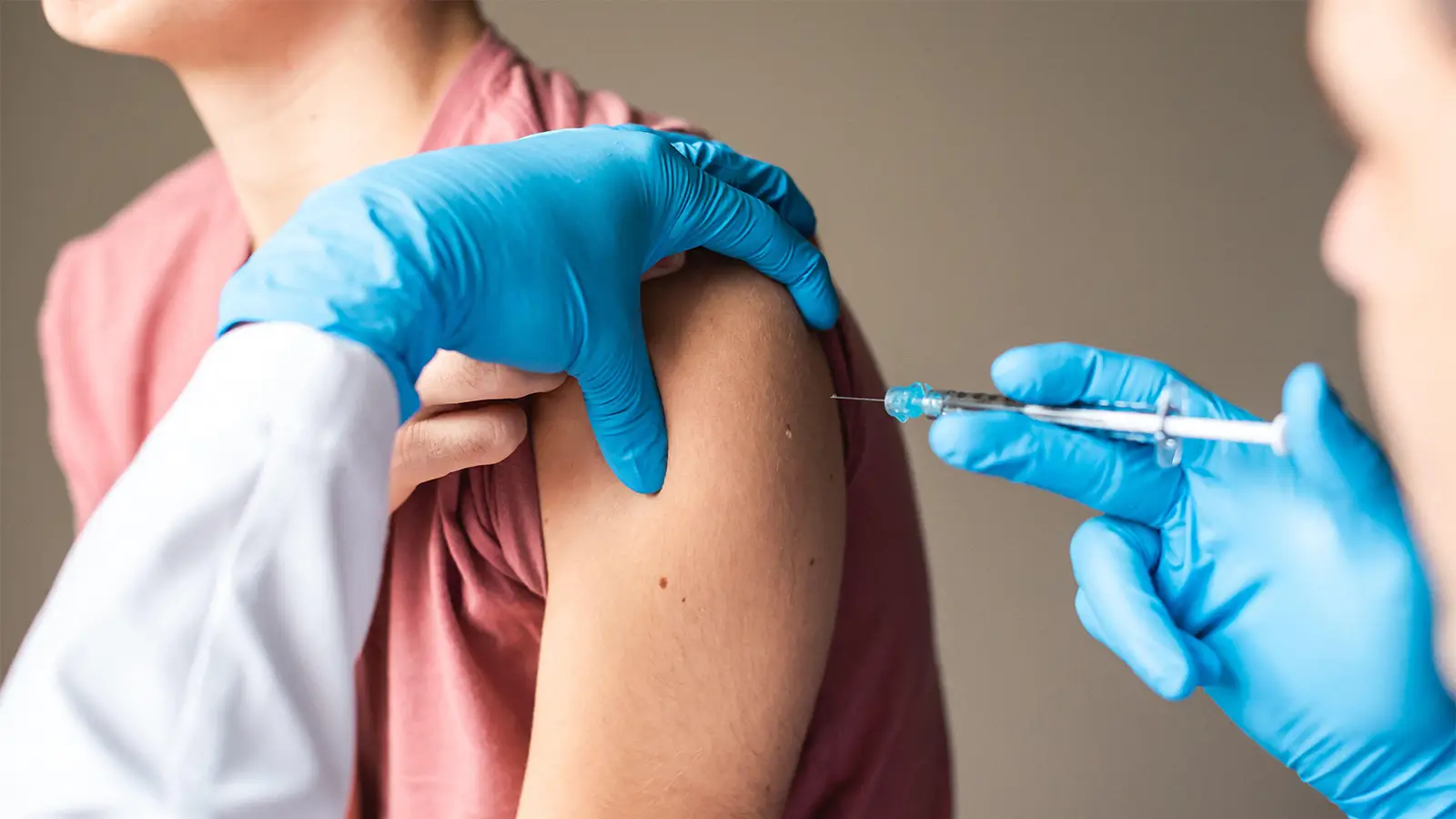
The 9-valent human papillomavirus (HPV) vaccine was associated with a lower risk of HPV-related cancers in adolescent males and young men, according to a large retrospective cohort study.
Among males ages 9 to 26 years, those who received the 9-valent HPV vaccine had a lower risk of a composite of HPV-related head and neck, penile, esophageal, and anal cancers compared with those who were unvaccinated (HR 0.54, 95% CI 0.37-0.81, P=0.002), reported Taito Kitano, DrPH, and Sayaka Yoshida, PhD, both of the Nara Prefecture General Medical Center in Japan.
A subgroup analysis showed that the significantly lower incidence of the primary composite outcome in those who were vaccinated was observed among both those ages 9 to 14 years (HR 0.58, 95% CI 0.34-0.97, P=0.04) and those ages 15 to 26 years (HR 0.50, 95% CI 0.27-0.93, P=0.03), they wrote in JAMA Oncology.
“Given that the current recommendations in developed countries advocate vaccinating all adolescent boys with [the 9-valent HPV vaccine], our study contributes to the growing body of evidence supporting these current practices,” Kitano and Yoshida noted.
HPV infection is a major cause of cervical, vaginal, vulvar, anal, penile, and head and neck cancers. About one in five males older than 15 years is infected with a high-risk HPV type. The American Academy of Pediatrics recommends starting the HPV vaccine series at ages 9 to 12 years in girls and boys, yet many adolescents may not be getting timely HPV vaccination.
“Our study indicates that [9-valent] HPV vaccines should be administered not only to females but also to young males,” the authors concluded. “This study also contributes to sex-neutral HPV vaccinations. Further studies are needed for long-term follow-up as well as catch-up vaccination in older adults.”
To assess the links between 9-valent HPV vaccination and HPV-related cancers among males ages 9 to 26 years, Kitano and Yoshida used records from the global TriNetX database. The study’s vaccinated cohort included those who had a health exam and received at least one 9-valent HPV vaccine between January 2016 and December 2024. The unvaccinated cohort underwent a health exam during that period but didn’t receive HPV vaccination. Follow-up began 180 days after a health exam.
The researchers included 615,155 vaccinated males and 2,290,623 unvaccinated males. Median ages were 13.4 years and 17.2 years, respectively, and 48.2% and 8.7% were ages 11-12 years, respectively. Among the vaccinated cohort, 20.2% were Black or African American and 55.0% were white compared with 16.5% and 58.2% of those in the unvaccinated cohort.
After propensity score matching for age, race, and underlying medical conditions, the investigators created vaccinated and unvaccinated cohorts of 510,260 participants each.
After matching, the primary composite outcome occurred in 40 participants in the vaccinated group and 64 participants in the unvaccinated group. All cancers were head and neck, preventing secondary analysis of esophageal, anal, and penile cancer risks.
Extending the follow-up period to 2 years in a sensitivity analysis, the vaccinated group was still at a significant advantage for the primary composite outcome (HR 0.56, 95% CI 0.35-0.89, P=0.01).
Study limitations included a reliance on ICD-10 coding alone for cancer diagnoses, which may have led to missed diagnoses. The study cohort included only adolescents who’d undergone a well-child health check, which could introduce selection bias. The database also didn’t include information on HPV infection status; not all cancers in the study were caused by HPV infection.
Source: Read Full Article