







Emperor penguins could go extinct by 2100
Stefan Christmann/naturepl.com
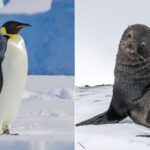
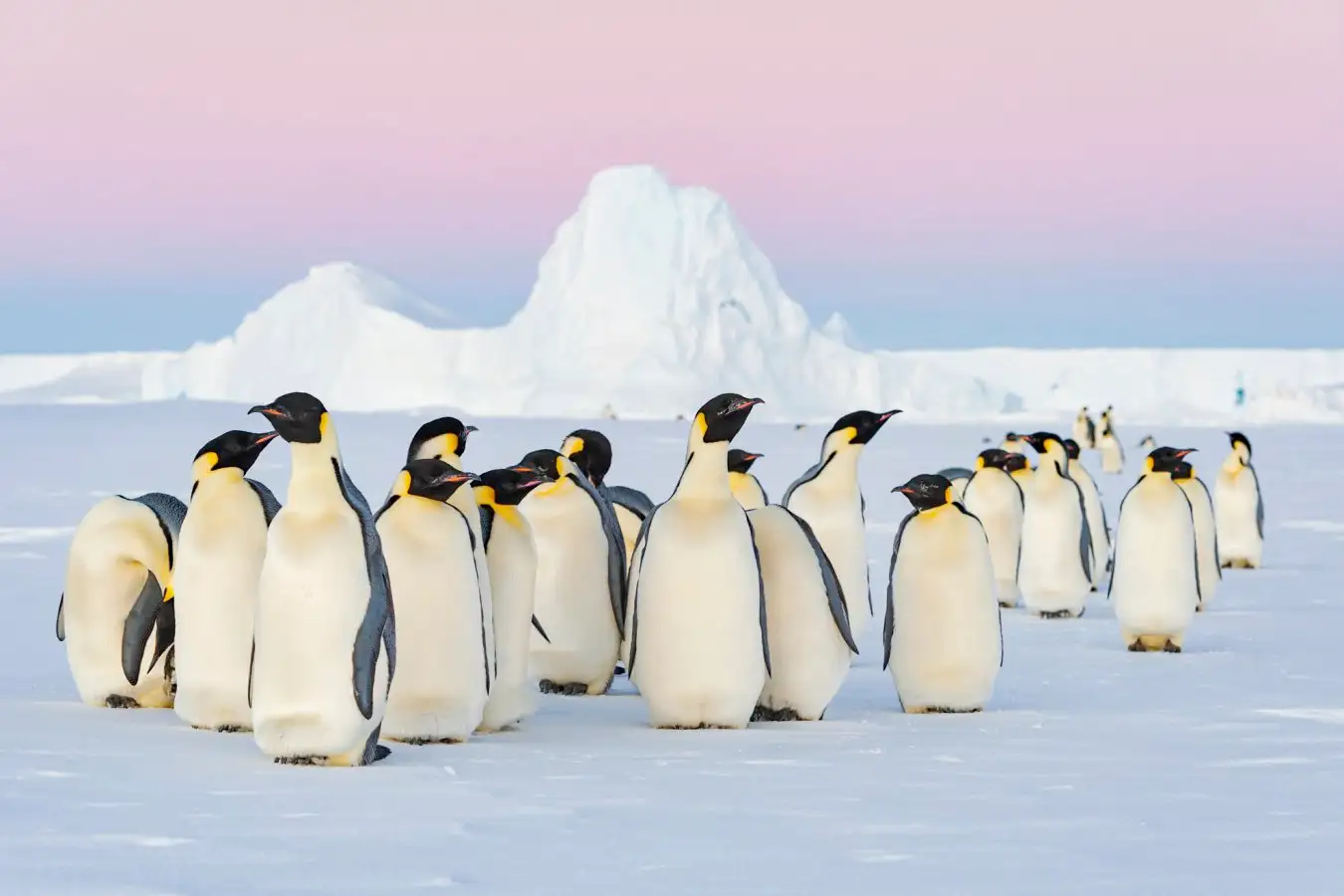
Two of Antarctica’s most iconic species, the emperor penguin (Aptenodytes forsteri) and the Antarctic fur seal (Arctocephalus gazella), have declined so dramatically and rapidly that they have been classified as endangered on the IUCN Red List.
A third Antarctic species, the southern elephant seal (Mirounga leonina), has had its status updated from “least concern” to “vulnerable”.
The International Union for Conservation of Nature (IUCN) runs the Red List, which is regarded as the world’s most comprehensive listing of the global conservation status of animal, fungus and plant species.
Satellite images show that around 10 per cent of the emperor penguin population was lost between 2009 and 2018, equating to more than 20,000 adults, according to the IUCN. Projections suggest that the population will halve by the 2080s.
“After careful consideration of different possible threats, we concluded that human-induced climate change poses the most significant threat to emperor penguins,” said Philip Trathan, at the British Antarctic Survey, and a member of the IUCN Species Survival Commission, in a statement. “Early sea-ice break-up in spring is already affecting colonies around the Antarctic, and further changes in sea-ice will continue to affect their breeding, feeding and moulting habitat.”
The Antarctic fur seal population has decreased by more than 50 per cent from over 2 million mature seals in 1999 to 944,000 in 2025, also due to the impacts of climate change.
Meanwhile, southern elephant seal populations are being devastated by avian flu, which is killing more than 90 per cent of newborn pups in some colonies, the IUCN said.
Sharon Robinson at the University of Wollongong, Australia, says that in 2022 she and her colleagues identified that emperor penguins were the most threatened Antarctic species and were likely to go extinct by 2100.
“As global heating warms the oceans and melts the sea ice, this removes the breeding places which allow emperors to reproduce successfully,” says Robinson. “Like most birds and mammals, penguin chicks need a safe place to develop, and human actions are removing that stable platform at a rapid pace.”
Both Robinson and Dana Bergstrom, also at the University of Wollongong, worked on a 2025 study that had dire warnings about emperor penguins and other Antarctic species.
“Of the 60-plus known emperor colonies around the coast, about half have experienced increased or complete breeding failure events since 2016 due to early fast-ice loss, and 16 colonies have suffered two or more such events,” says Bergstrom. Fast ice refers to sea ice that is attached to the coast or seabed.
“This adds an Antarctica-wide context to the more extreme picture occurring on the Antarctic Peninsula, where we have seen chicks drown through early sea-ice breakout,” she says.
The World Wide Fund for Nature said in a statement the fate of the emperor penguin is “inextricably linked to climate change policy”. “Transitioning away from fossil fuels and limiting global temperature increases to as close as possible to 1.5°C is critical in avoiding the worst effects,” the WWF said.
Topics:
Source: Read Full Article