







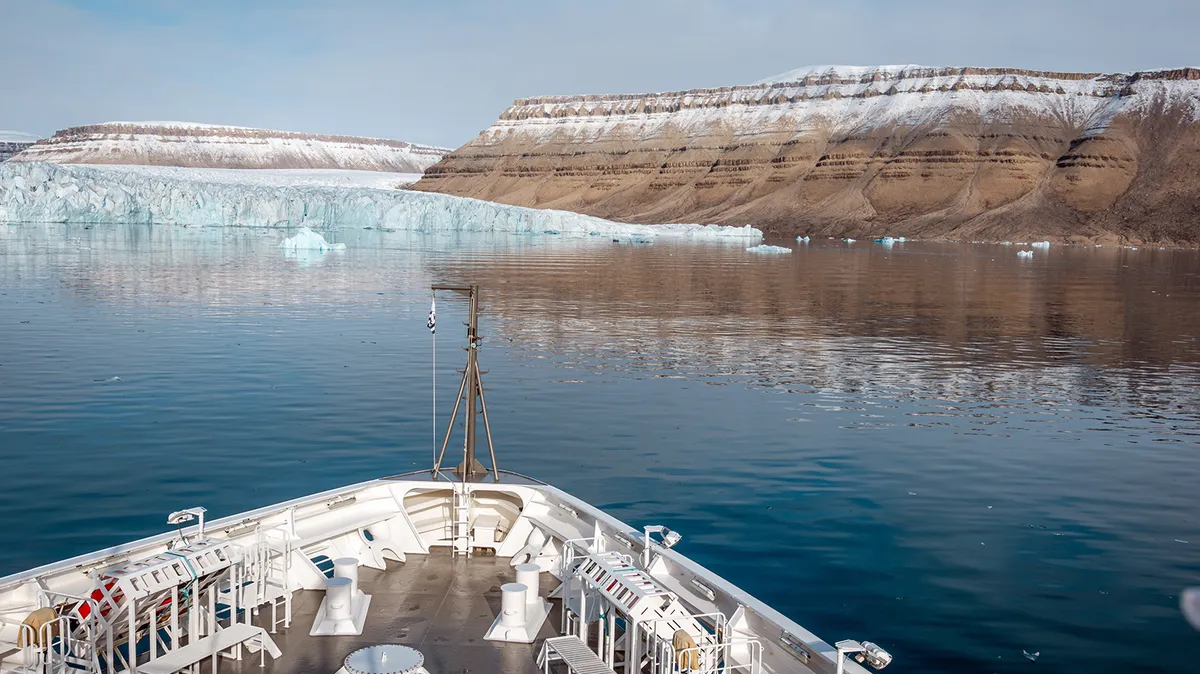
Devon Island offers something few places on Earth can: a safe, controlled way to study another planet without leaving Canada.
The Haughton-Mars Project Research Station allows scientists to simulate Mars missions, test habitat designs and study how isolation affects crews during long duration space flights.
At the same time, researchers examine Arctic ecology, climate change, and the resilience of life in one of the planet’s harshest environments. From the Truelove Lowland area to the rim of Haughton Impact Crater, each trip deepens our understanding of geography, climate and survival in extreme conditions.
In a country known for vast wilderness, this island stands apart. It is remote, uninhabited, and shaped by ice, yet it plays an outsized role in scientific research that reaches far beyond the Canadian Arctic.
We created this article in conjunction with AI technology, then made sure it was fact-checked and edited by a HowStuffWorks editor.
Source: Read Full Article