









We may earn a commission from links on this page.
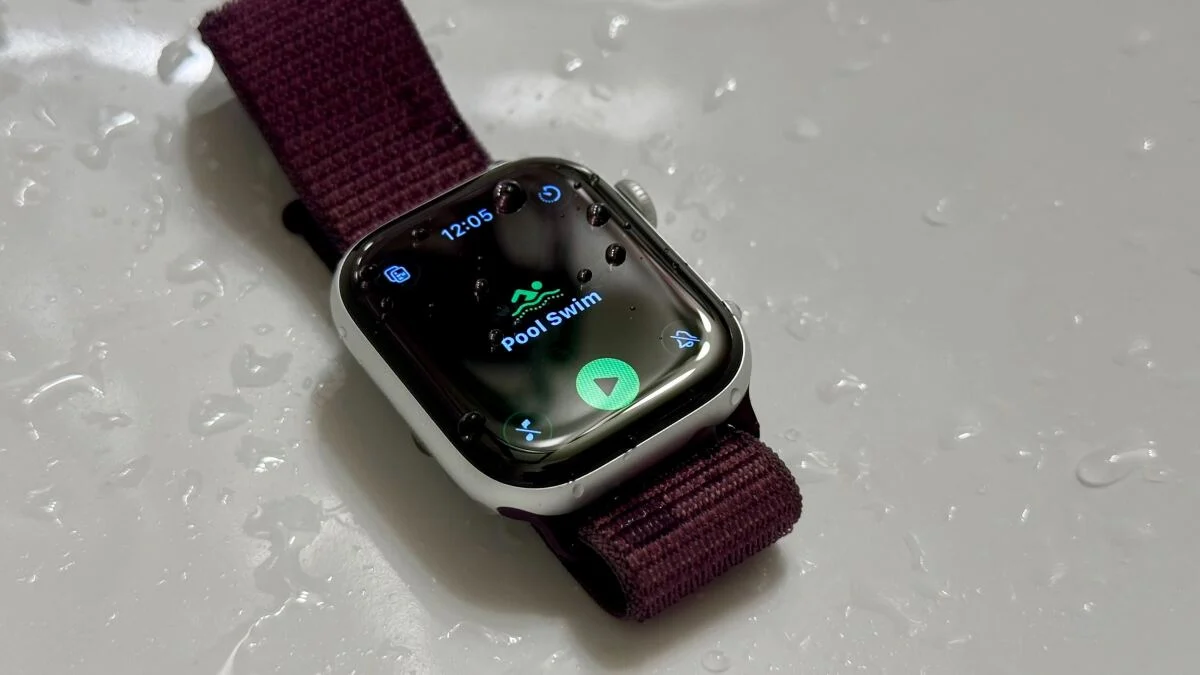
It’s a safe assumption these days that every smartwatch and fitness tracker can be taken into the shower, rinsed off when you wash your hands, or worn into a pool. Many have swimming modes, or water lock features that suggest they can be used while wet. And yet, people keep finding out that the watch they thought was waterproof isn’t.
For example, this Redditor’s Galaxy Watch 5 Pro (released in 2022) died this year during an ocean swim, with signs of salt corrosion inside. Another Redditor recently lost functionality in their first-generation Apple Watch SE (2020) after swimming. Older watches tend to lose their water resistance over time, and many aren’t intended for use in salt water anyway, if you check the fine print. Smartwatches are a lot less water-resistant than we tend to think they are.
How companies measure water resistance
No smartwatch maker is categorically calling their devices “waterproof,” but instead we see IP ratings (like IP68 or IPX7) or a pressure rating for water resistance (usually 5 ATM or 10 ATM).
IP ratings stand for “ingress protection.” The first number is how well the device resists the entry of dust on a scale of 0 to 6, and the second number is how well it resists water on a scale of 0 to 9. (Here’s more background on how IP ratings work.) Here’s what Samsung writes in the manual for the Galaxy Watch 5 Pro, which has an IP68 rating: “The device has been tested by submerging it in 1.5 [meters] of fresh water for 30 minutes, leaving it still, without any movement to meet the requirements of IEC 60529. The water resistance is not guaranteed when using the device under conditions that deviate from the standard.”
ATM ratings require that the device be tested in deeper water; Samsung says in the same manual that the 5ATM rating was tested by submerging the watch in 50 meters of water for 10 minutes. The details of the IP and ATM tests may vary slightly from one manufacturer to another, but these seem to be typical. Gently placing a watch underwater is, presumably, an easier test to pass than taking it swimming at the beach on a regular basis.
Water resistance degrades over time
Note that the manufacturer testing I described above is done with fresh water on a presumably brand-new device. There’s no guarantee that the device will be equally water-resistant after a few years of wear; seals can break down over time.
Manufacturers also typically warn against substances other than fresh water. To use that same Samsung manual as an example, the device should be immediately cleaned and dried if it comes into contact with “salt water, coffee, beverages, swimming pool water, soapy water, oil, perfume, sunscreen, hand sanitizer, or chemical products, such as cosmetics.”
Other device makers agree. “Water resistance isn’t a permanent condition and can diminish over time,” says Apple’s support page about water resistance, which gives the IP ratings of each model of Apple Watch. Apple notes that water resistance can degrade as a result of dropping the watch, exposing it to soap in the shower, or using a non-Ultra watch in the sauna. Non-Ultra models shouldn’t be exposed to “high-velocity water (for example, while water skiing).”
What do you think so far?
Google similarly says of the Pixel Watch 4, “Water resistance and dust resistance are not permanent conditions, and will diminish or be lost over time due to normal wear and tear, device repair, disassembly, or damage.” Also: “Google Pixel Watch is designed to be used in shallow water and should not be used for activities involving water at high velocity or high temperature.”
You’ll find similar warnings for other watches, so check your device’s manual for specifics. For example, the Garmin Forerunner 265 manual says to avoid pressing buttons while the device is underwater, and to rinse it immediately after contact with salt water or chlorine.
How to avoid water damage
Despite all those caveats, companies still often speak of their devices as fine to wear in the shower and other places with low pressure fresh water; all of the devices I mentioned above have swimming activities. I wouldn’t be paranoid about stray drops of water, but after reading the fine print more closely, you may want to care for your device a bit differently.
Rinse and dry devices after they come into contact with salt water or chlorinated pool water, and try to keep them away from sunscreen and other substances. If you swim often, especially in salt water, consider upgrading to a watch with better water resistance (like an Ultra instead of a regular Apple Watch). And if you don’t swim often, but you’re on vacation with an older watch that has always seemed fine in the shower, maybe take it off just this once.
Source: Read Full Article