









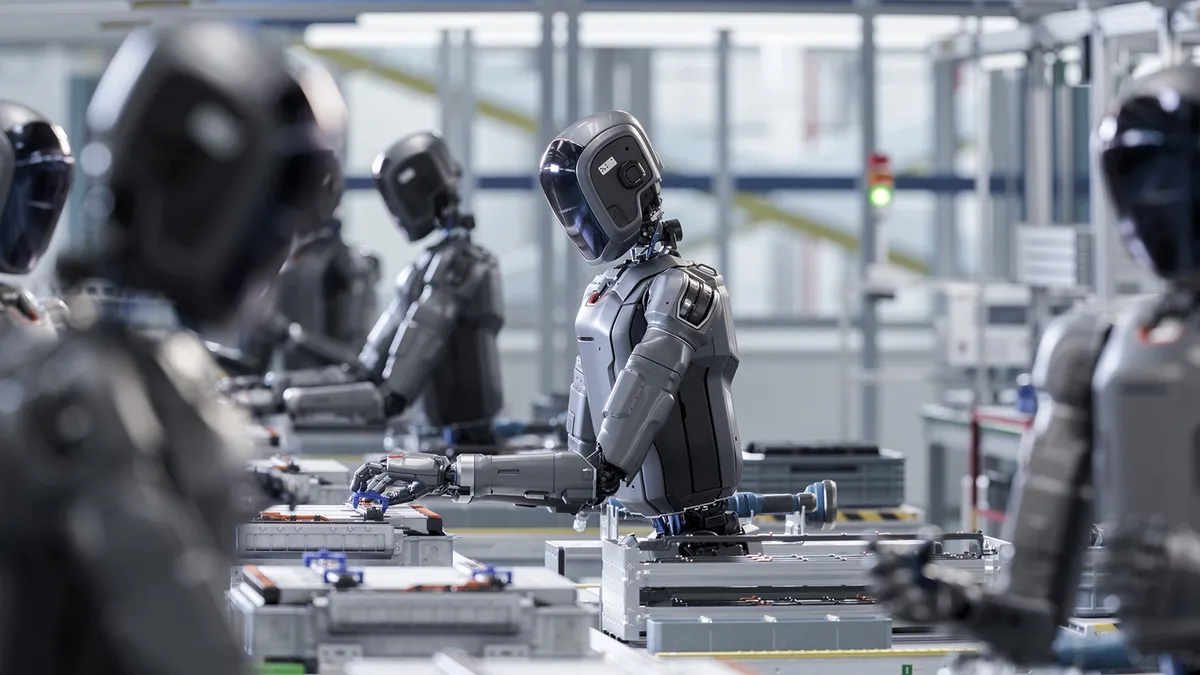
Many experts believe the first wave of humanoid robots will appear in workplaces where labor shortages exist. These robots may help complete repetitive or physically demanding tasks while working alongside humans.
Researchers continue improving balance, autonomous navigation, and humanlike motion so robots can operate in various environments. Advances in greater dexterity and machine perception may allow robots to interact more naturally with people.
While fully autonomous humanoid machines remain in early stages, ongoing research described in publications such as IEEE Spectrum shows steady progress. As artificial intelligence improves, humanoid robots may become capable assistants in homes, hospitals and workplaces across the world.
We created this article in conjunction with AI technology, then made sure it was fact-checked and edited by a HowStuffWorks editor.
Source: Read Full Article