



In 1986, Amy Hau started working with the Japanese American artist, designer, and architect Isamu Noguchi as an assistant at his studio complex, in Long Island City. In 2024, she returned to the space, which now houses the Noguchi Museum—what the artist had called his “gift to the city”—as its director. Lately, Hau spends most of her reading time on archival material related to the artist, but she sat down with us to discuss a few books that have influenced her work and the way she thinks about Noguchi and his themes—among them displacement, community, inheritance, and cross-cultural exchange. Her remarks have been edited and condensed.
Everything She Touched: The Life of Ruth Asawa
by Marilyn Chase
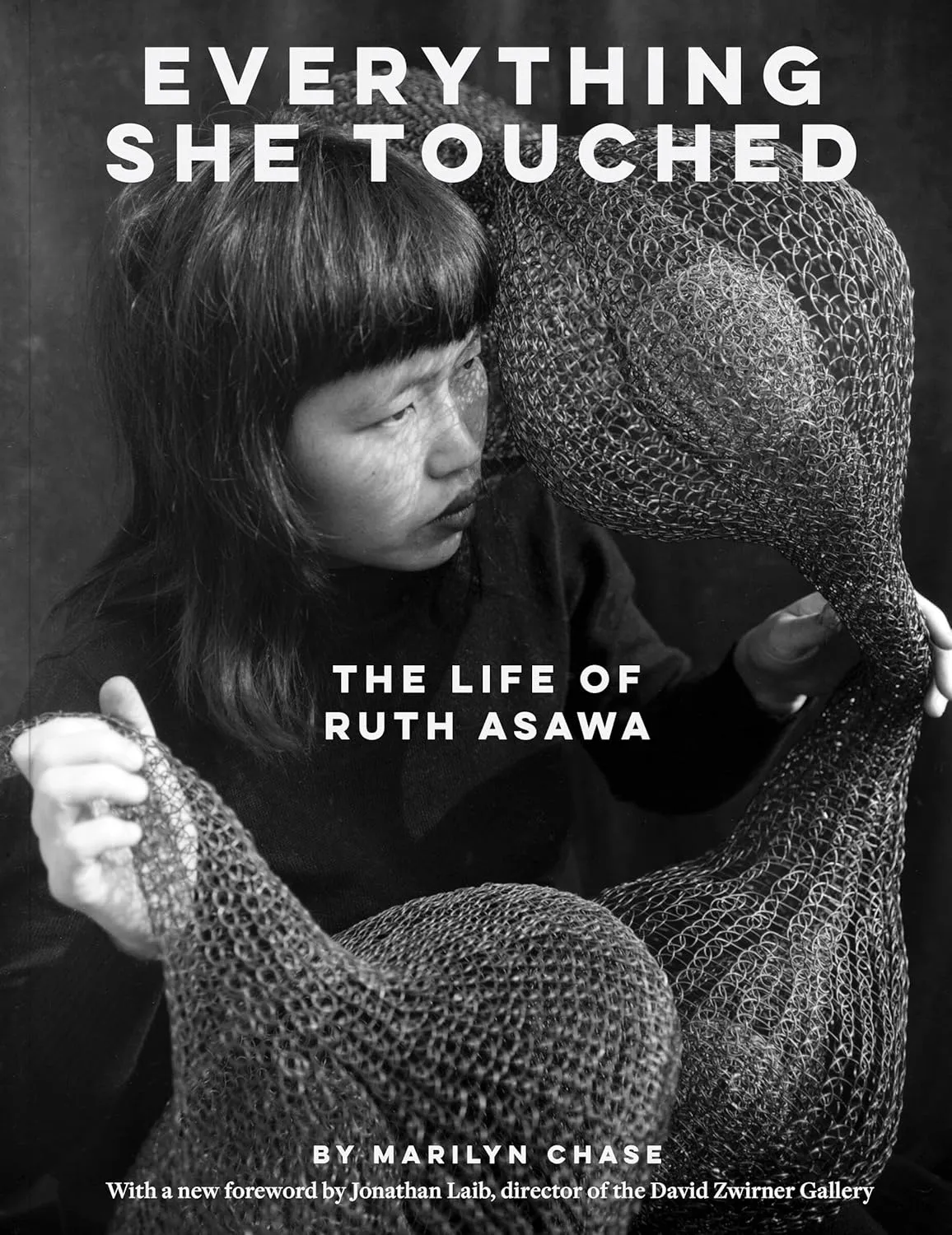
I’m always fascinated by artists’ biographies—reading about where they came from, how they were able to do the work that they did, their obsessions and their points of view. Asawa was born in California in 1926, and was one of over a hundred thousand Japanese Americans who were interned during the Second World War.
I think it’s easy to pigeonhole people into categories—Asian, for one—or to define them by their painful experiences. But Asawa, like Noguchi, showed real resilience. In 1942, Noguchi chose to enter an internment camp in Arizona because he hoped to help find a way to make the conditions livable for the people who had no choice. Both of them came out of these difficult experiences saying I’m not going to be defined by this.
Another thing that’s amazing to me about Asawa, and that Chase’s book reveals, is her relationship to her family and her community. She had six children. There are photographs of her kids in here, sitting around with her as she’s making her work. She also devoted a lot of time to teaching and working with schoolkids on public-art projects in San Francisco, which is remarkable to me.
Hidden in Plain Sight
by Karin Higa
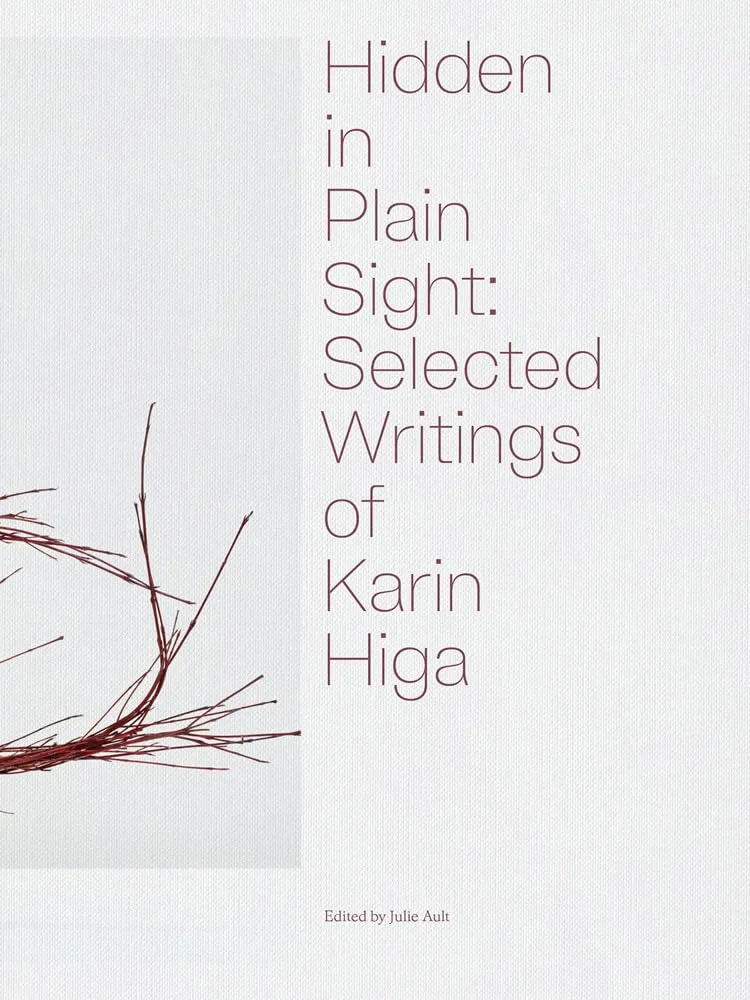
Higa was a pioneering art historian and curator who died in 2013, when she was only in her late forties. It’s so sad that we lost her voice. In this book, which is a collection of some of her writing, she covers famous artists, like Asawa, but also artists who were little known. And these artists—she makes it clear that they’re Asian, yes, but they’re also American. Her thinking was very multicultural. I always thought, How wonderful, to be celebrating the confluence of different cultures in these artists’ lives and works. That’s a theme I think about with regard to Noguchi’s work, too. Because, in some ways, he did have a little bit of an identity crisis. When he was in the U.S., he was sort of seen as Japanese, but in Japan, he was seen as an American. When he went back to Japan after the war, he proposed a memorial for Hiroshima, but it was rejected because he was an American, and it was thought that his participation would have been too painful for people, at that time. So Noguchi struggled all his life to find a balance, asking questions like, Where do I belong? Am I more Asian, or am I more Western? He used that tension when he needed to. And, I also think that, toward the end of his life, when I got to know him, he had a real sense of arriving, in a way. He received a National Medal of Arts, and he also got special recognition from the Japanese government. To see that acknowledgment late in his life, to be embraced by both, really meant a lot, I think.
Source: Read Full Article