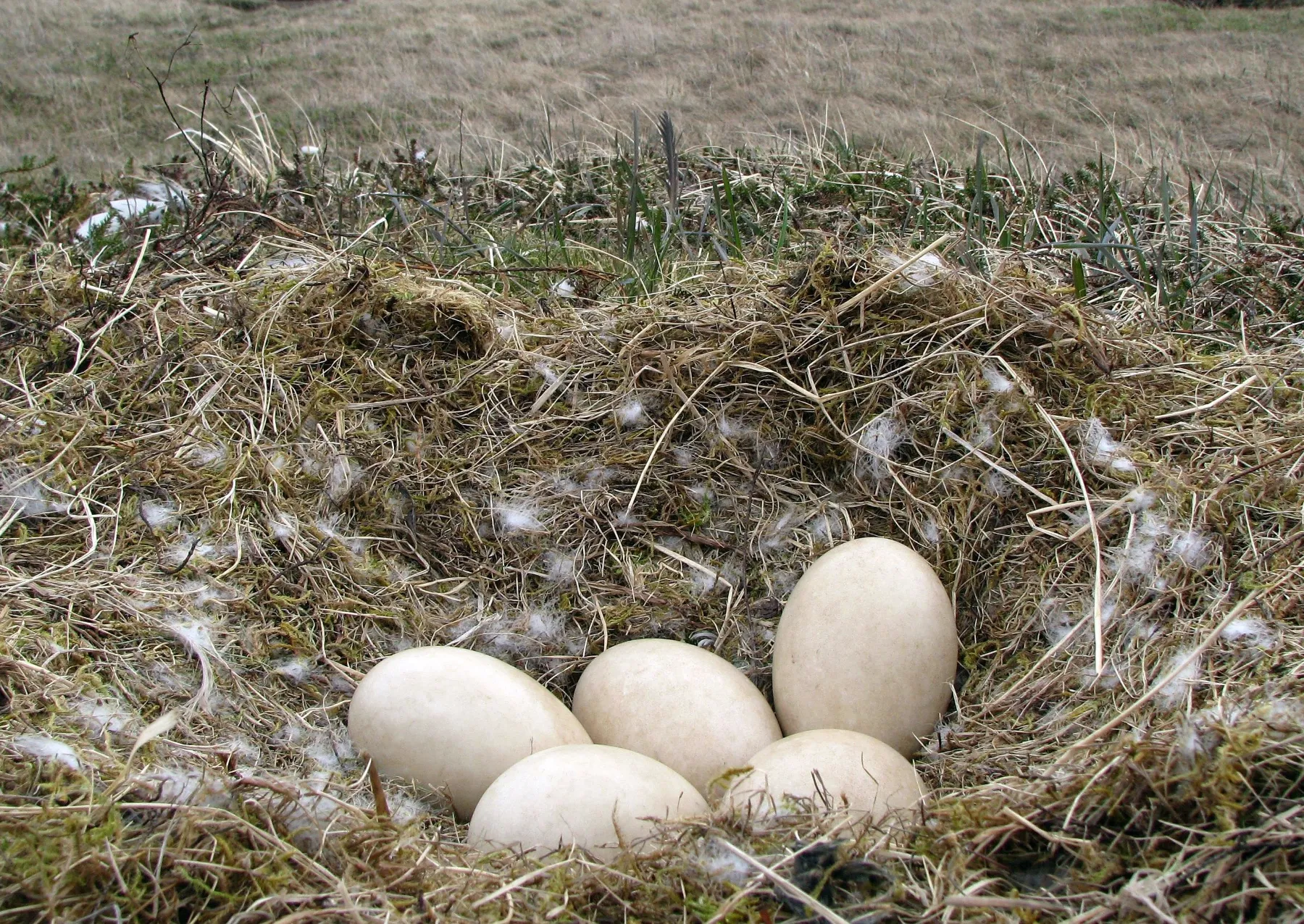
White eggs in the wild mostly belong to the birds that nest in deep holes in trees or terrain. These birds are called cavity nesters and the contrast between the white egg and dark spaces help them see their eggs. Some cavity nesters include woodpeckers, owls, and kestrels.
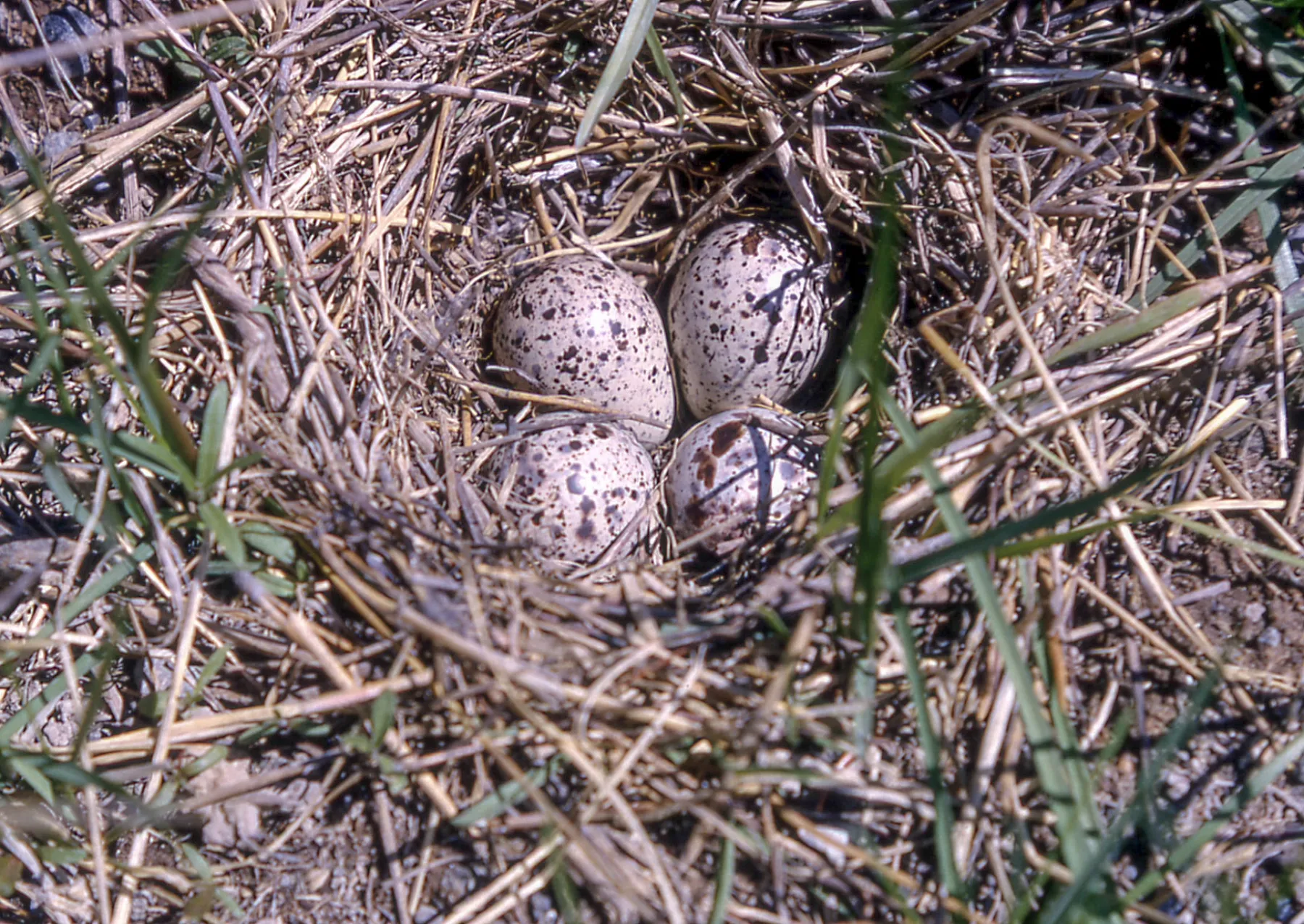
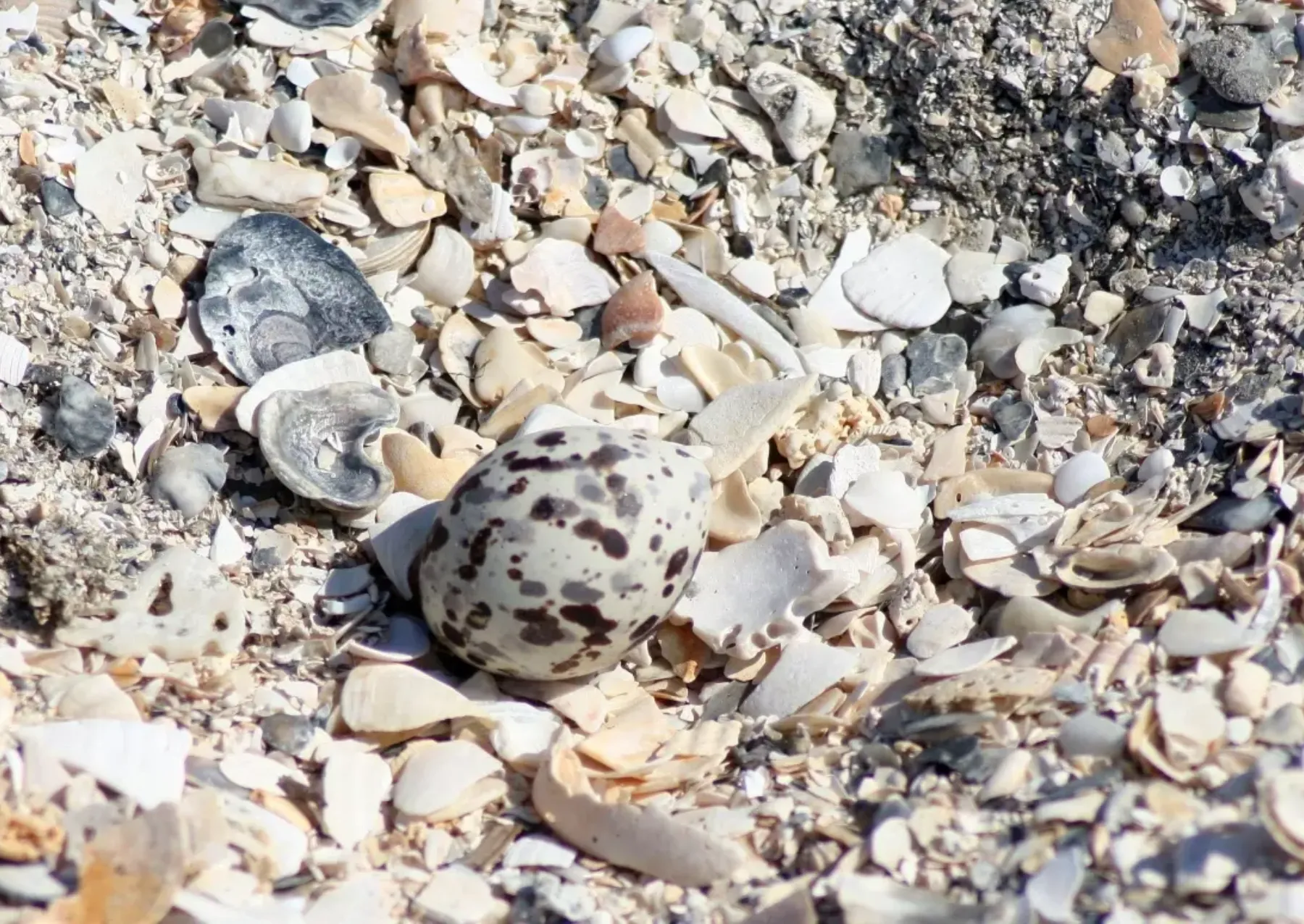
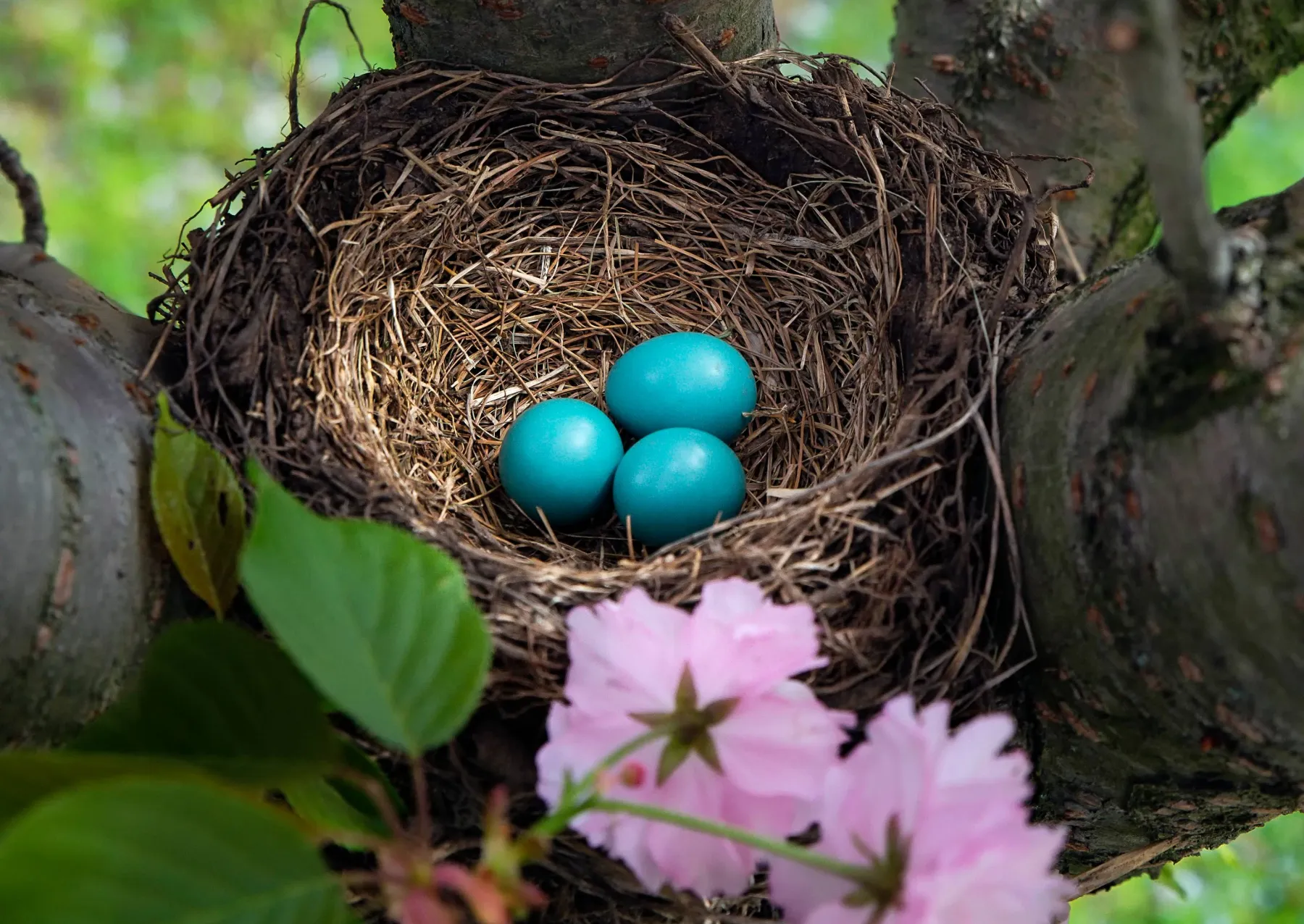
Wild colored eggs—not the ones the Easter Bunny hides—generally belong to birds that nest in more open areas on the ground. This color makes them more difficult to find. Because eggs in ground nests have color, they are harder for predators to find. Plovers, gulls, and most ducks are considered ground nesters.
Take a peek into this exciting world in the gallery below. (Click to expand images to full screen.)
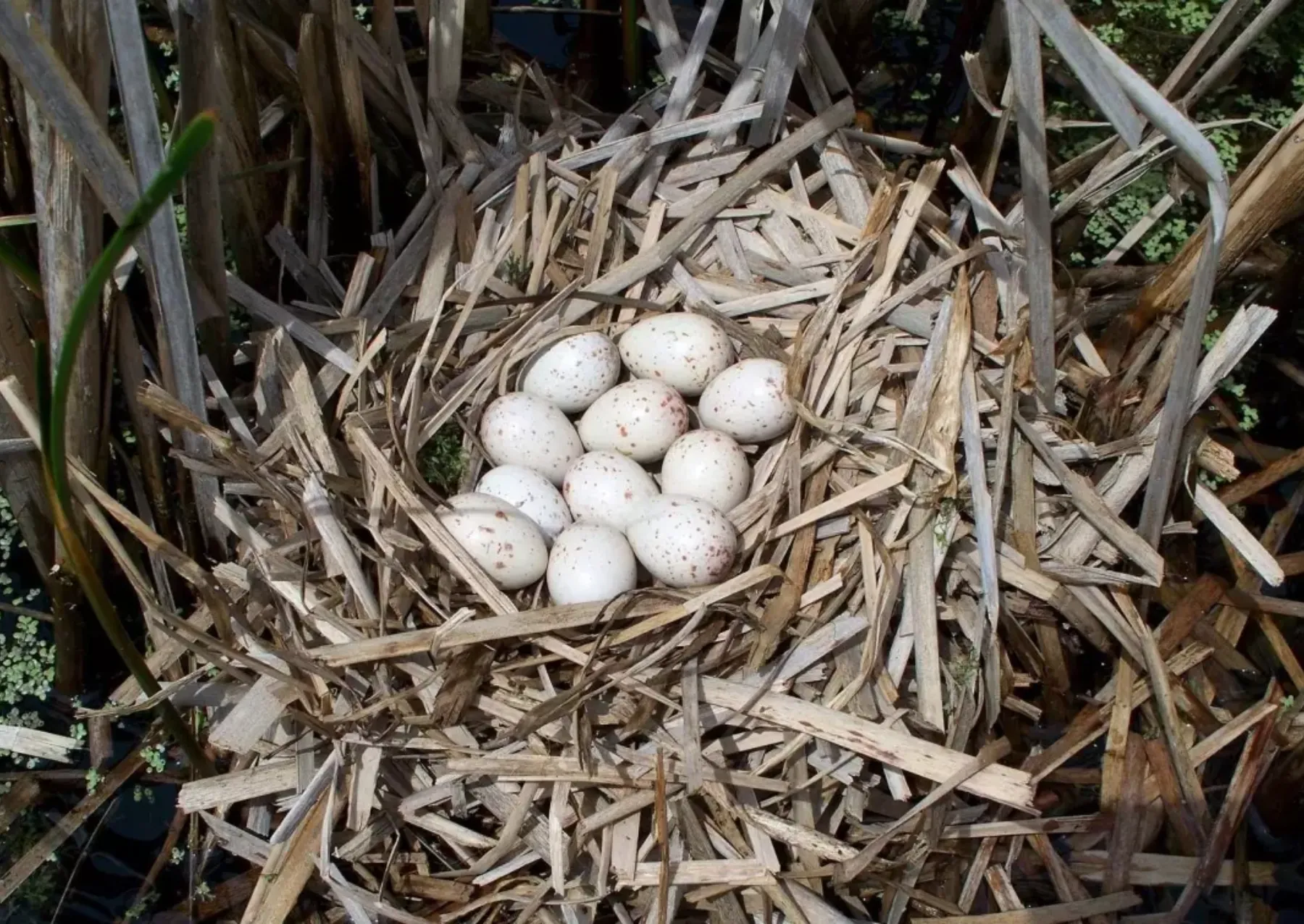
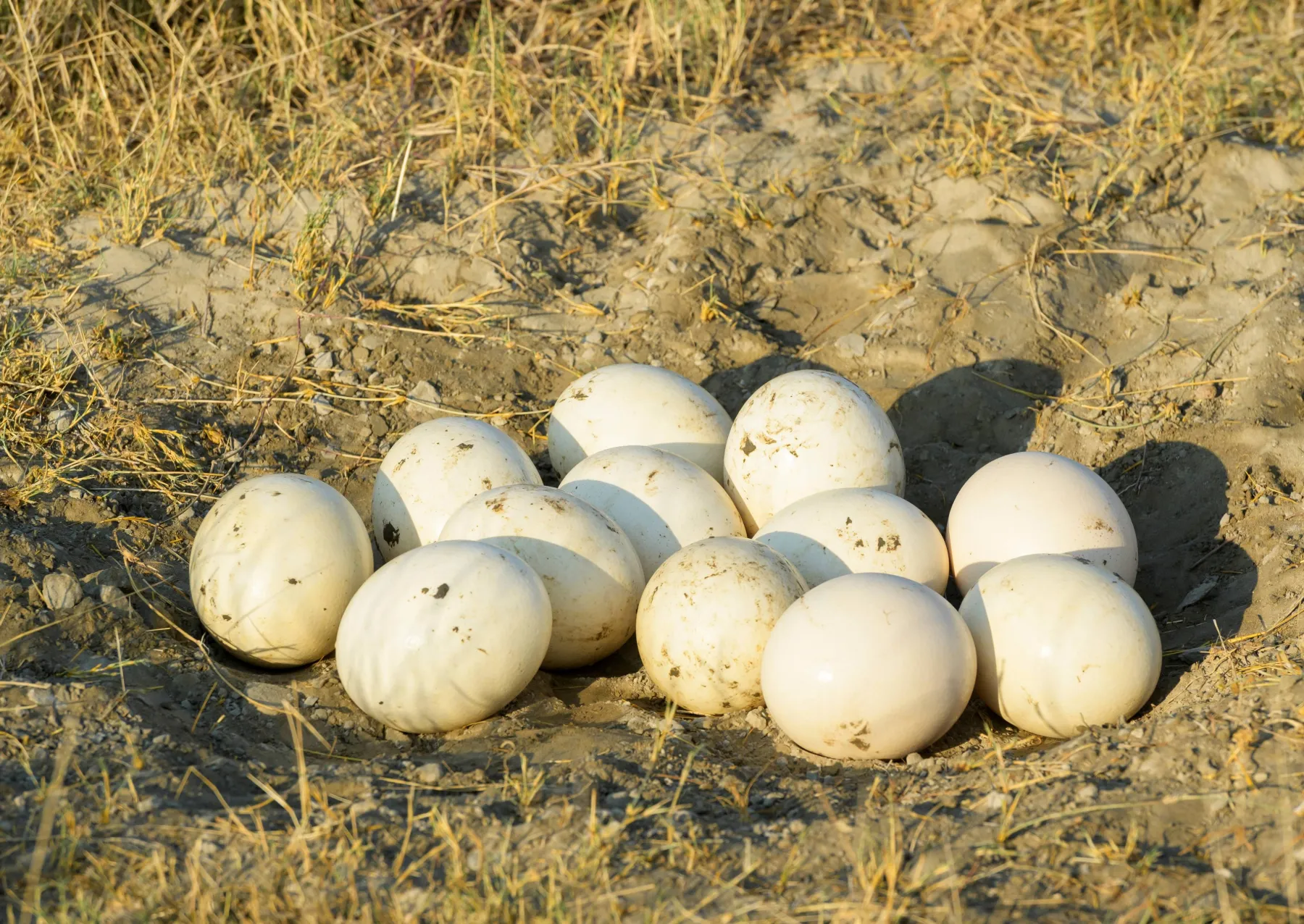
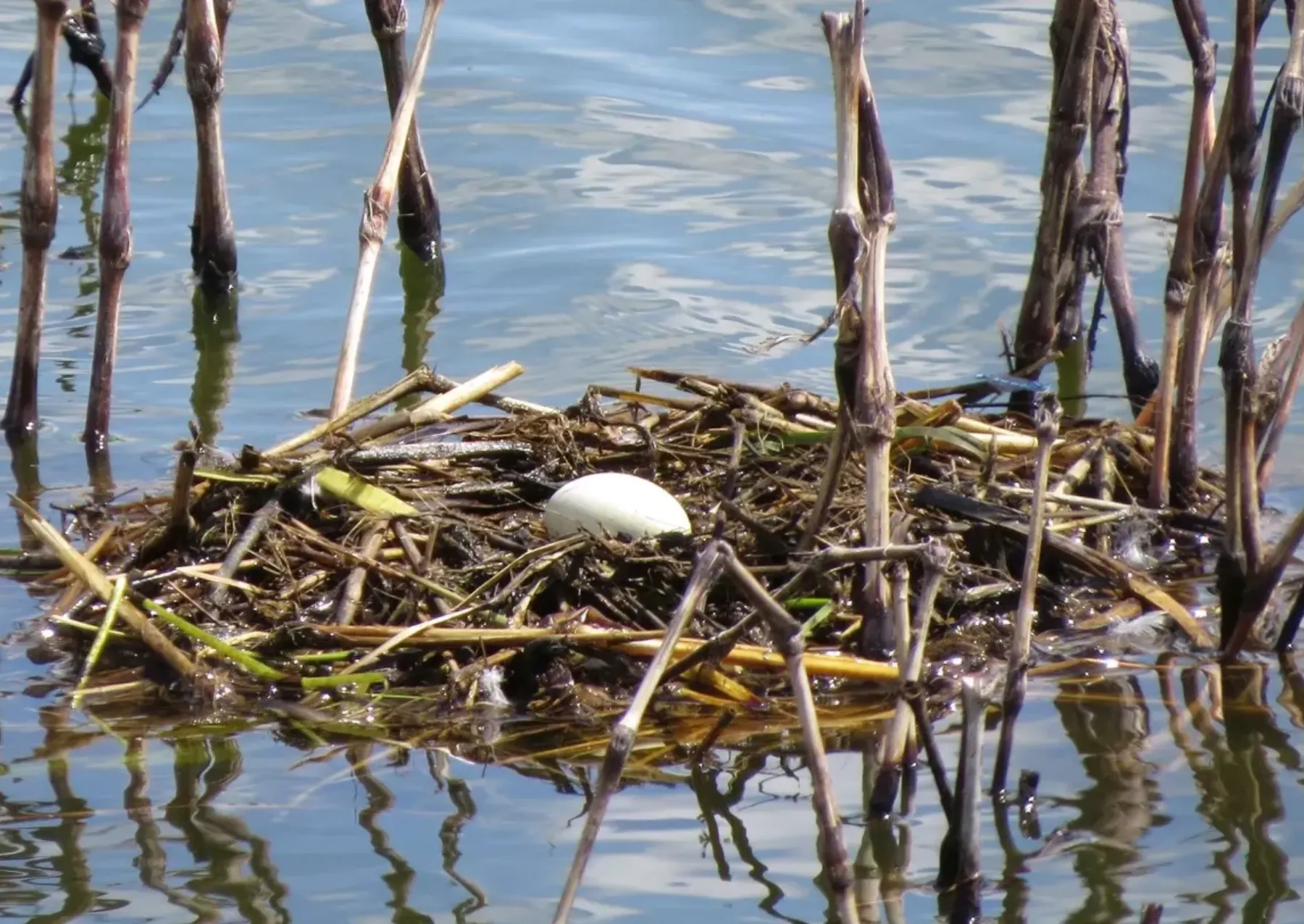
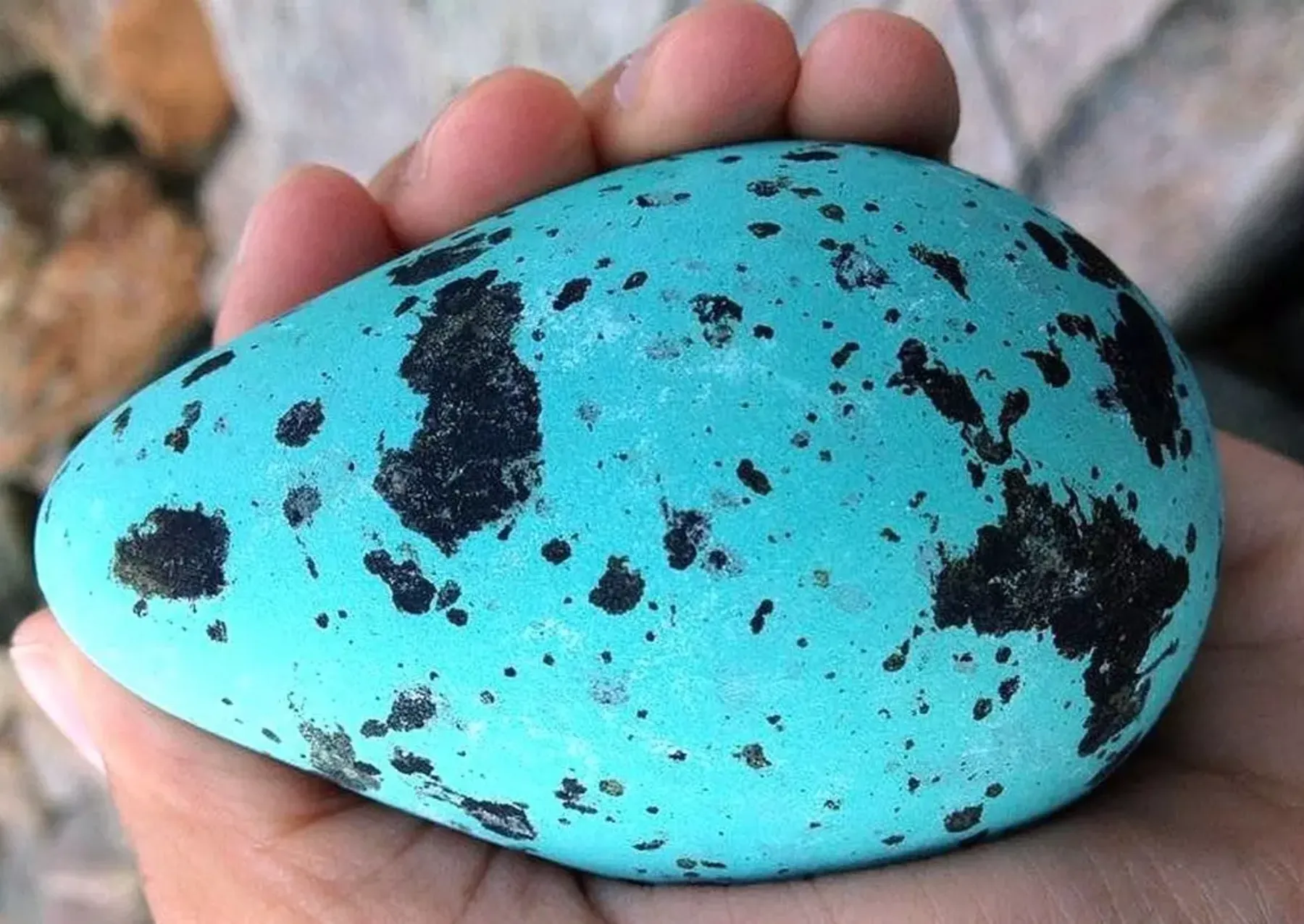
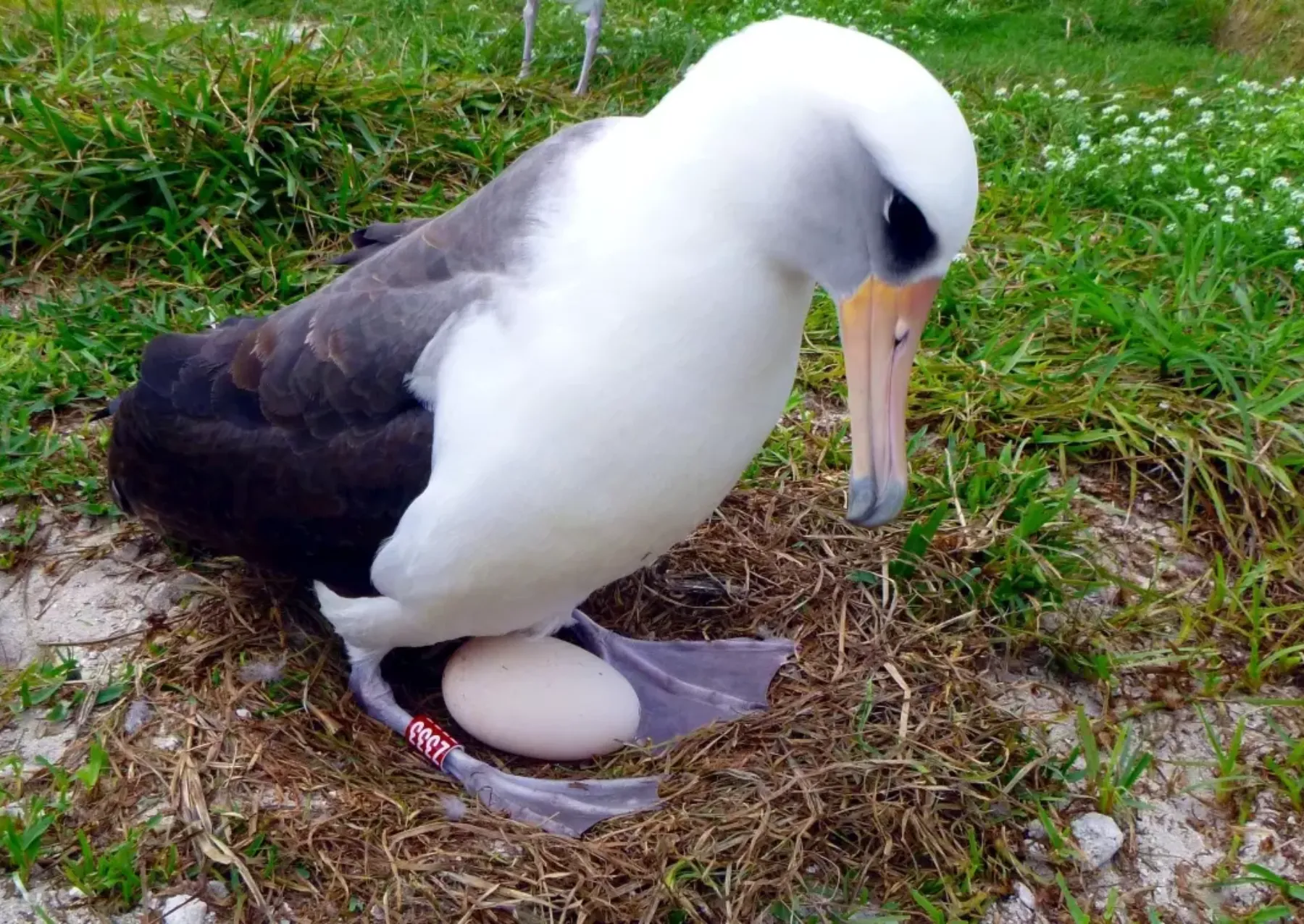
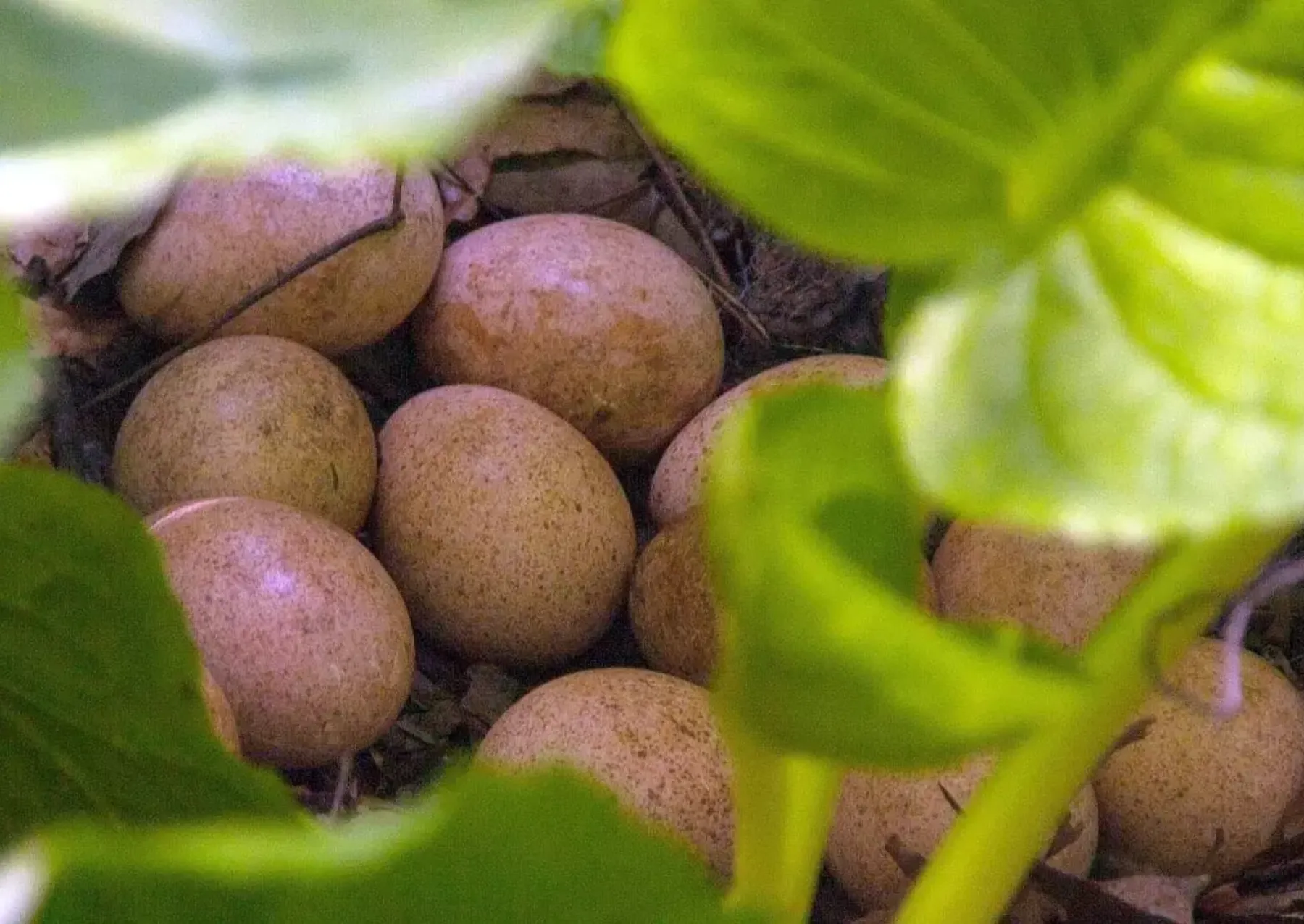
Spotted sandpipers (Actitis macularia) actually reverse roles when it comes to watching over eggs. The females will migrate early to arrive at a potential nesting site before the male. She is also the one that establishes the territory by driving out the other females. After mating and laying her eggs, the female abandons the male who then takes on all of the parental duties. Image: NPS/John Good. A sora (Porzana carolina) nest lying in a shallow marsh at Morris Wetland Management District in Minnesota. Soras are small marsh birds. They typically lay 10 to 12 eggs in one clutch, but can sometimes lay up to 18. Image: Sara Vacek/USFWS. Many eggs have some color, which helps camouflage them from predators. This is a black skimmer (Rynchops niger) egg at Breton National Wildlife Refuge in Louisiana. Egg incubation takes 21 to 23 days. It is performed by both sexes, and the male may do more. Image: Greg Thompson/USFWS. Ostriches are the largest birds on Earth, but can’t fly like most other avians. Both living ostrich species, the common ostrich (Struthio camelus) and the Somali ostrich (Struthio molybdophanes), are found in Africa. Their eggs are famous for their size, averaging six inches long, five inches across, and weigh about three pounds. Female ostriches lay seven to 10 eggs at a time, in communal nests to benefit the entire flock. These eggs belong to a common ostrich in the Ngorongoro conservation area in Tanzania. Image: André Gilden via Getty Images.An eared grebe (Podiceps nigricollis) egg resting in a nest in a marsh at Lake Andes National Wildlife Refuge in South Dakota. Right after this photo was taken, an adult eared grebe returned to the nest. These long-necked waterbirds are known for their bright red eyes.Image: Kelly Preheim. The common murre (Uria aalge) lays colorful, speckled eggs. They are also pyriform, or pear-shaped and pointed. The photo of this egg was in Selawik National Wildlife Refuge in Alaska, which is home to several species of waterfowl, songbirds, shorebirds, and fish. Image: Brandon Saito/USFWS. Wisdom is a Laysan albatross (Phoebastria immutabilis) and the oldest known bird in the wild. At the estimated age of 75, has raised as many as 40 chicks in her lifetime. She tends to her eggs at Midway Atoll National Wildlife Refuge in the Pacific Ocean. Image: Kristina McOmber/Kupu Conservation Leadership Development Program and USFWS. An early-blooming plant called skunk cabbage and brown coloring provides cover for these eastern wild turkey (Meleagris gallopavo silvestris) eggs. These birds that are more typically associated with Thanksgiving, mate in the spring and lay an average of 11 to 12 eggs (often one a day) in a clutch. Image: Chesapeake Bay Program. Tundra swan (Cygnus columbianus columbianus) eggs sit in a relatively open nest at Yukon Delta National Wildlife Refuge in Alaska. They breed in remote areas of the North American arctic, and must defend their eggs and hatchlings against several predators, including foxes, weasels, wolves, and bears, as well as other birds. Image: Nathan Graff/USFWS. Perhaps the prettiest of all, the American robin’s (Turdus migratorius) eggs have a signature blue-green hue thanks to an egg-citing evolutionary adaptation. The color may help protect them from sun exposure by filtering out the amount of UV light that penetrates the eggshell. It comes from a pigment called biliverdin that the mother deposits onto the eggshell when she lays the egg. This particular clutch was photographed in Moorestown, New Jersey in 2013. Image: John Greim/LightRocket via Getty Images.